The Journey - 2018
Once again, I returned to familiar Kunming — and to one of the strangest places I have ever visited: the Kingdom of the Little People.
A week in Guilin was less about the famous scenery and more about reconnecting with friends and former teachers, while also exploring some of the quieter countryside nearby.
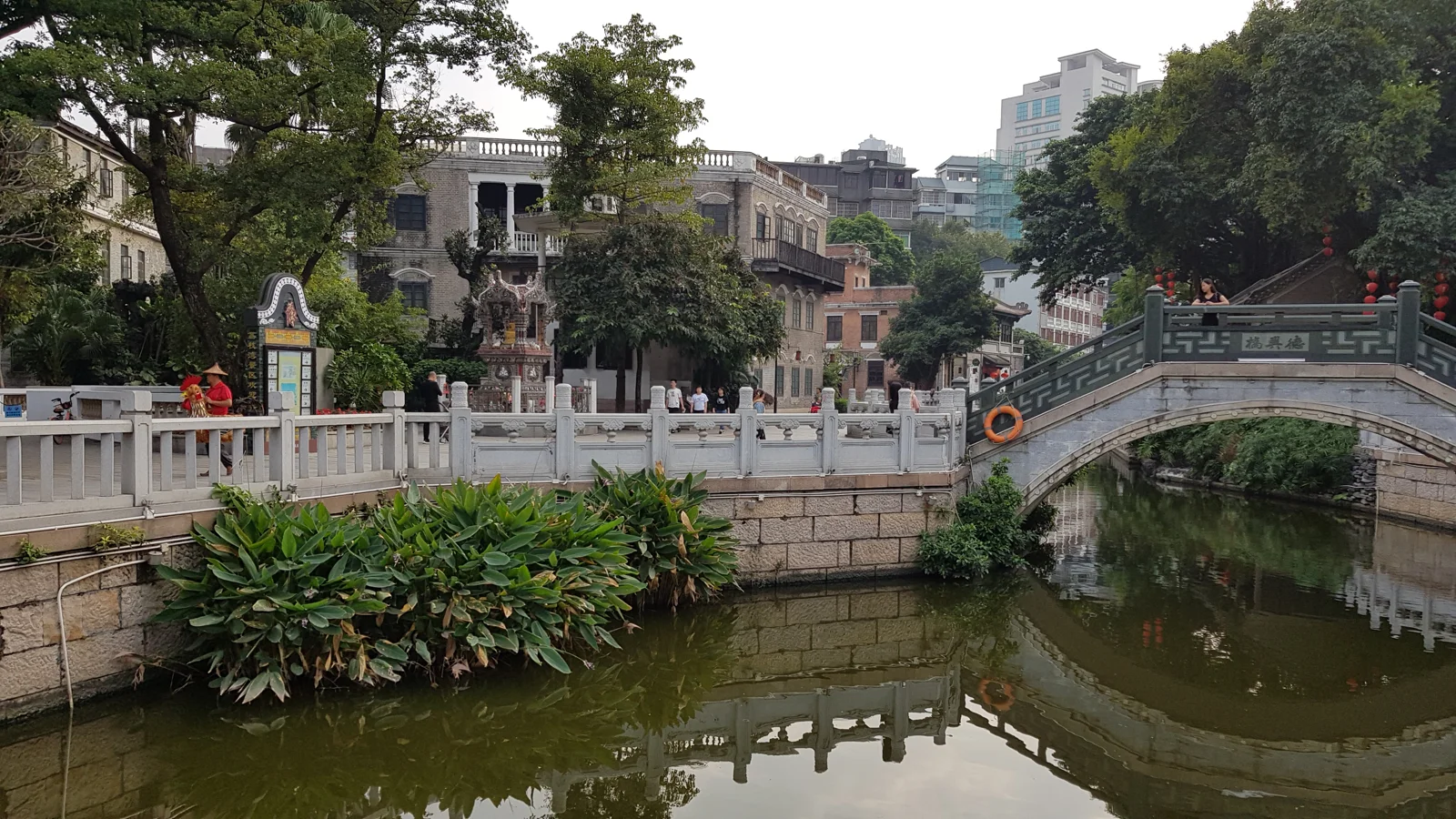
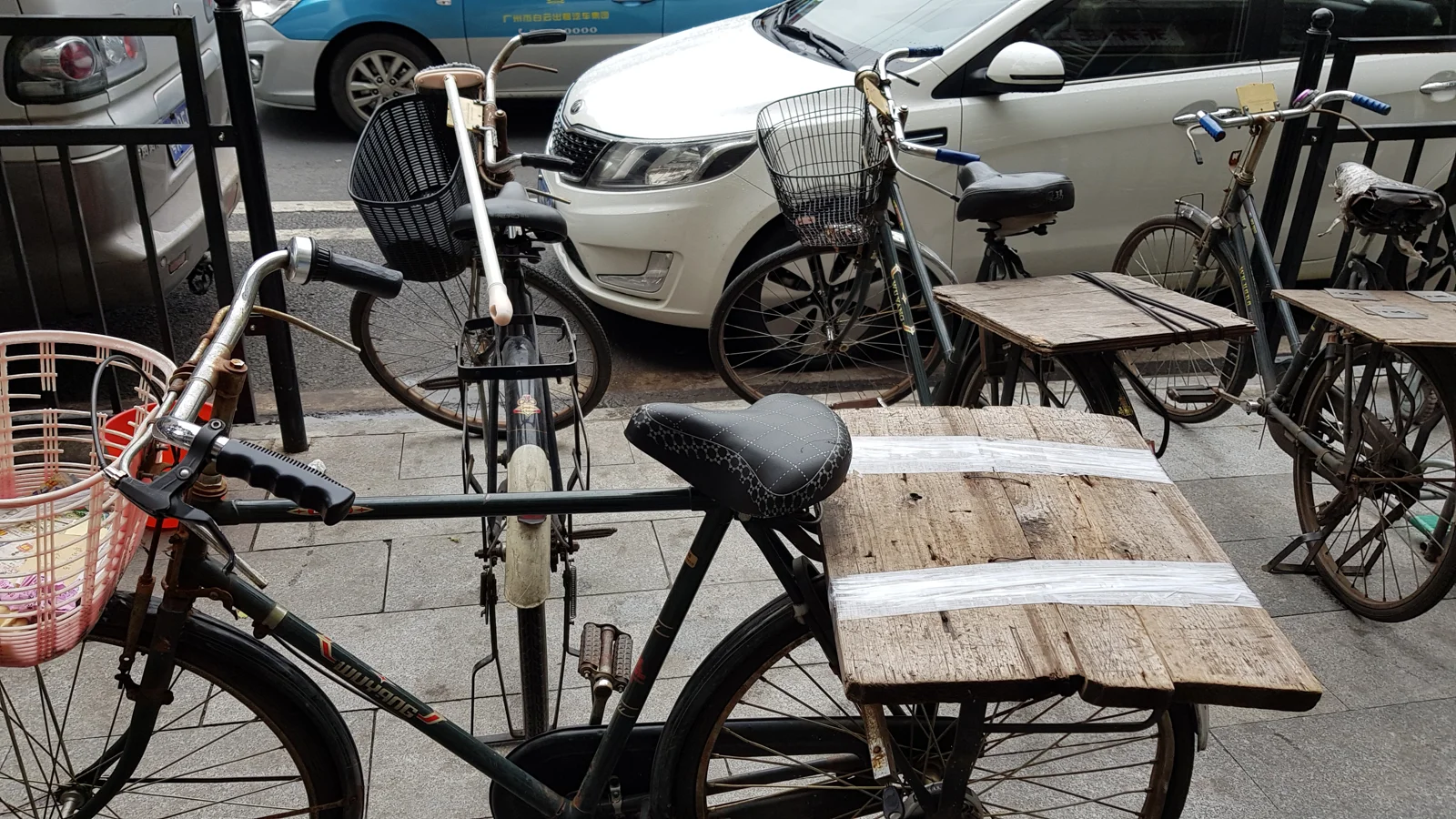
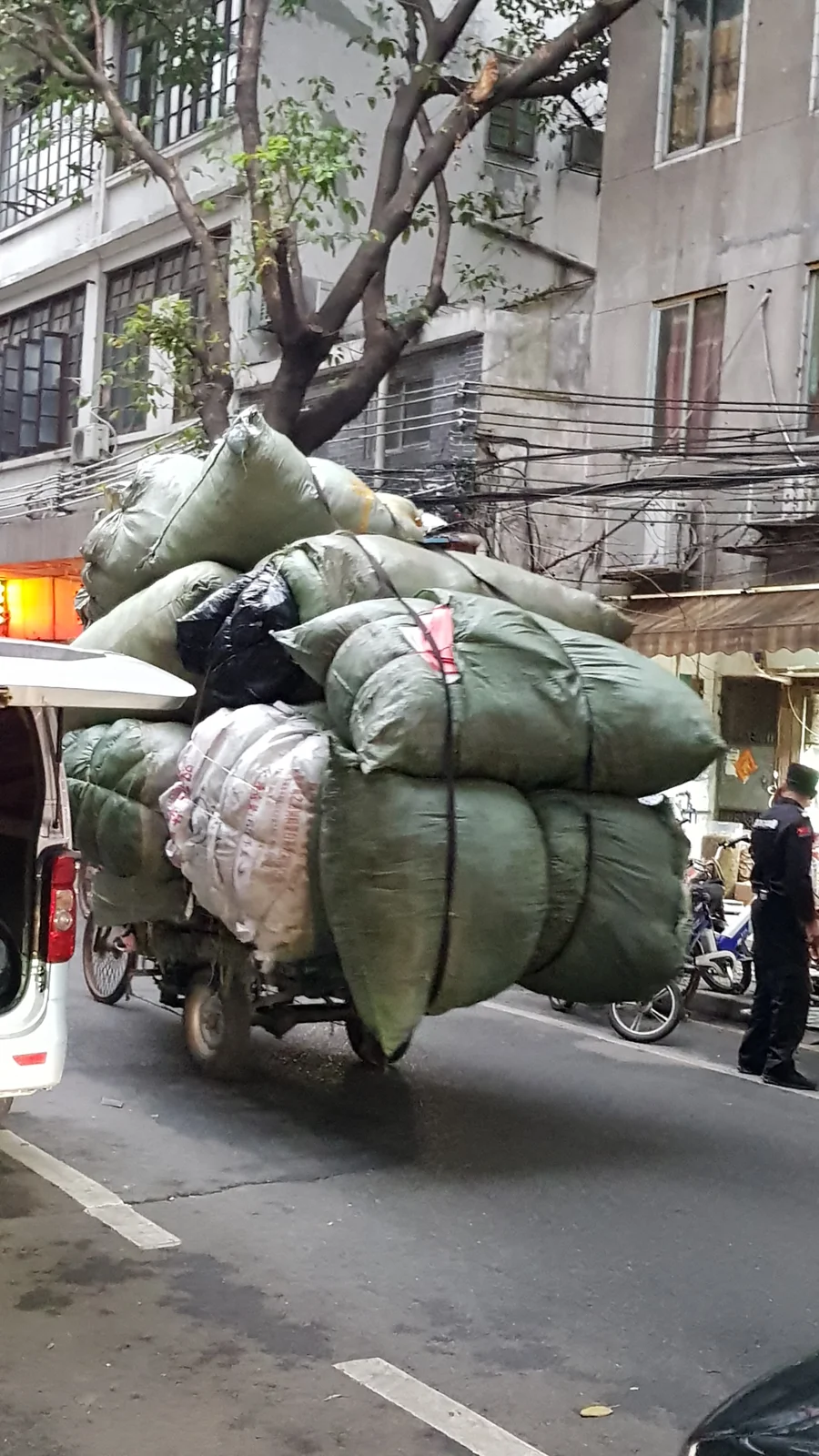
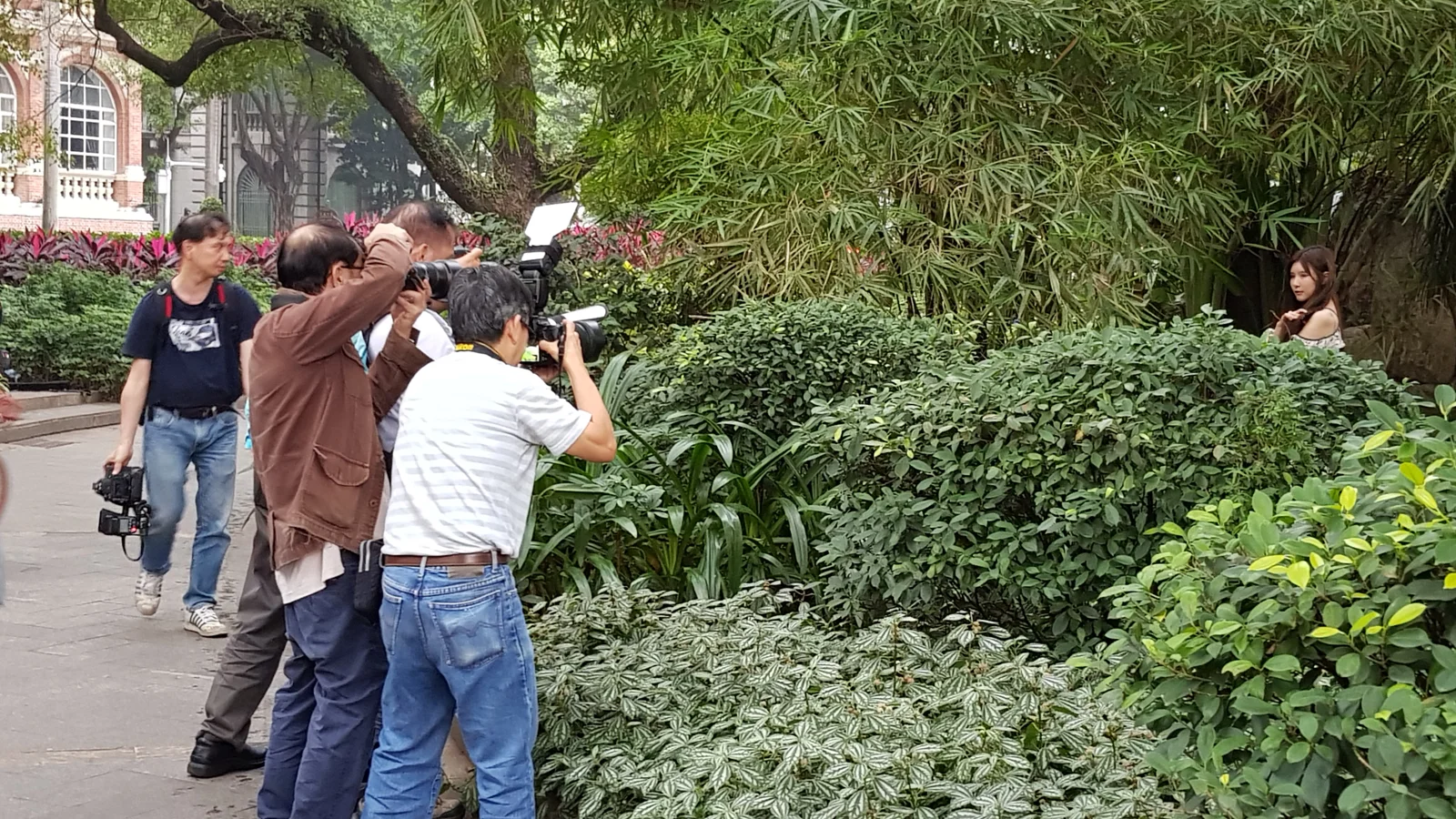
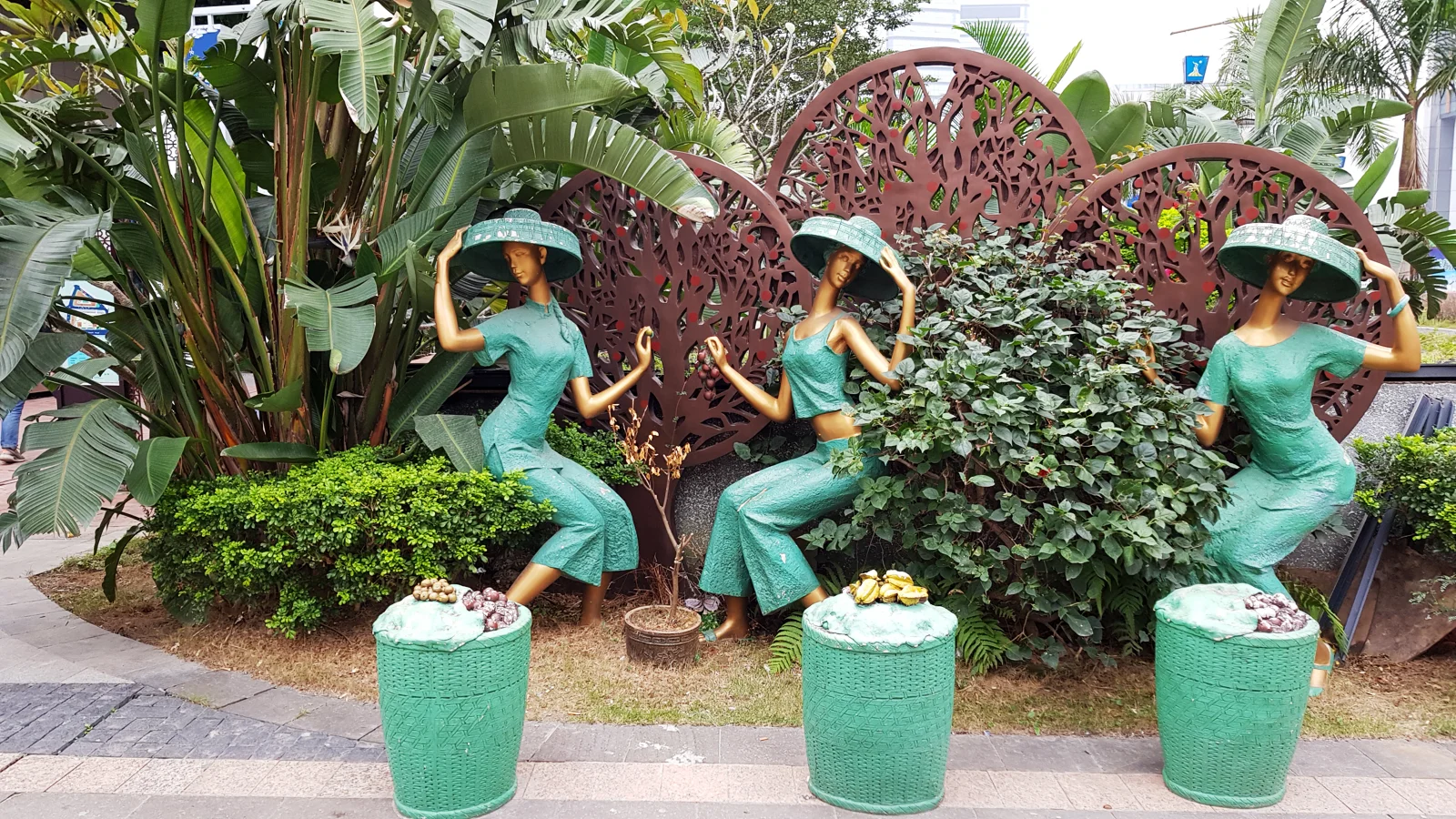
Guangzhou turned out to hold far more surprises than I had expected, with hidden corners, unexpected encounters, and small treasures scattered throughout the city.
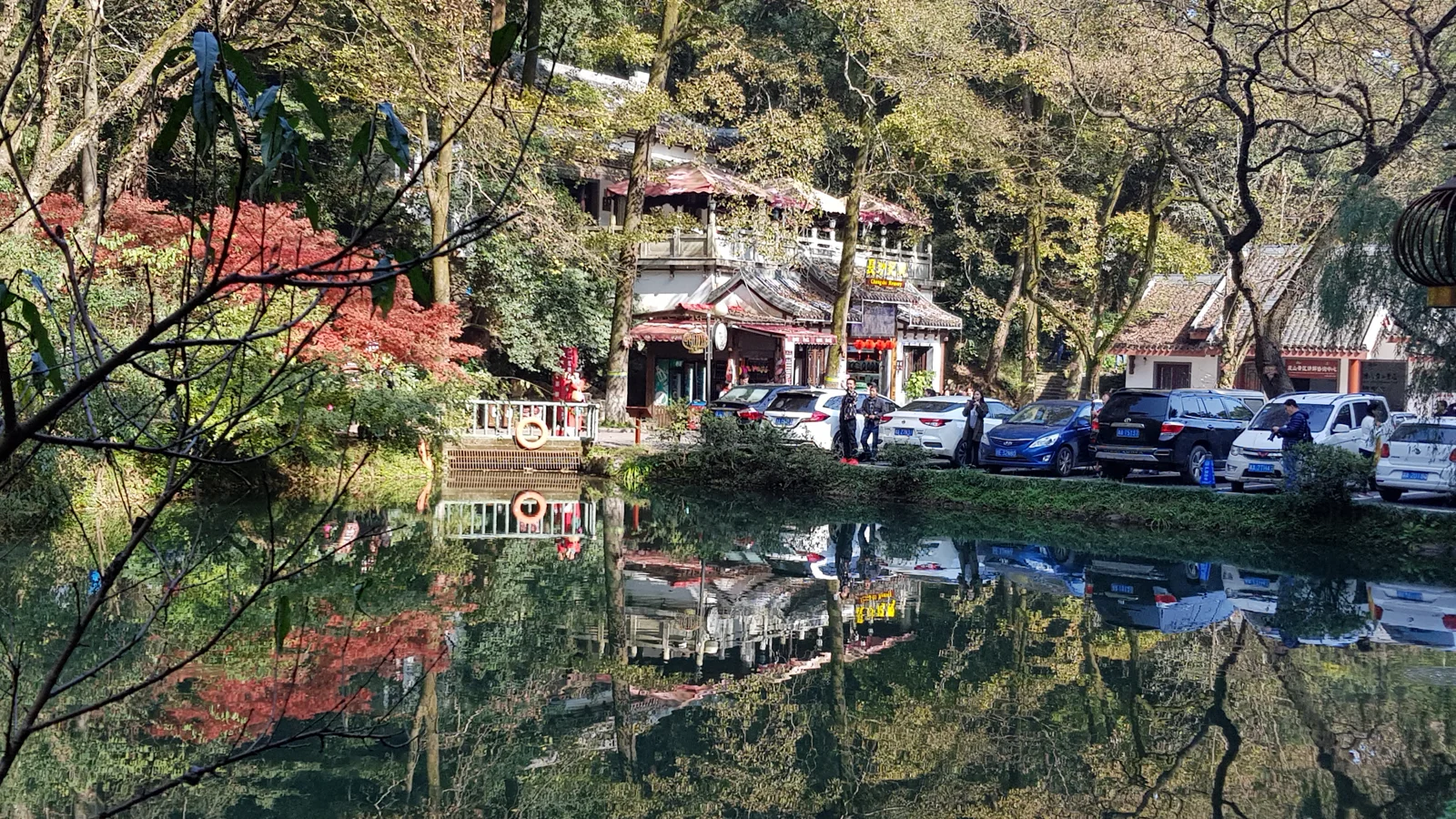
Changsha’s autumn colours were stunning. The city also sparked my appreciation for the beauty and craftsmanship of traditional Chinese embroidery.
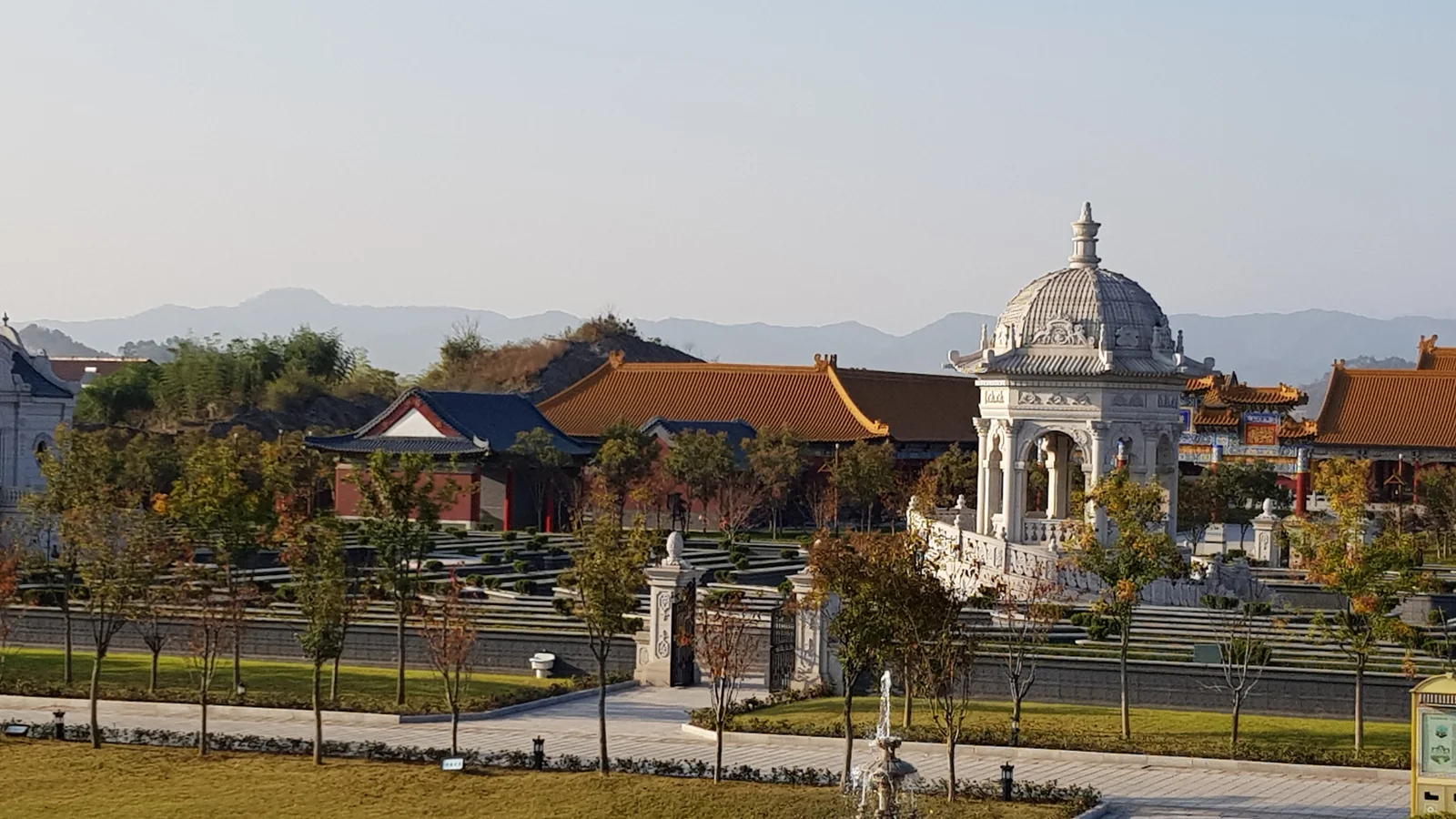
Ever since I started watching Chinese dramas, Hengdian World Studios near Yiwu — often called China’s “Hollywood” — had been on my radar. With its enormous collection of film sets, the studio has appeared in countless movies and television series, making parts of the place feel oddly familiar.
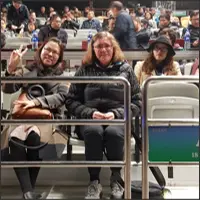
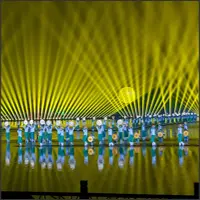
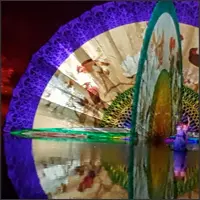
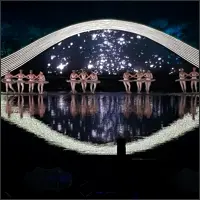
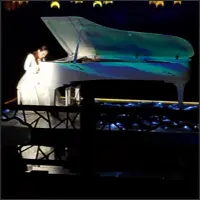
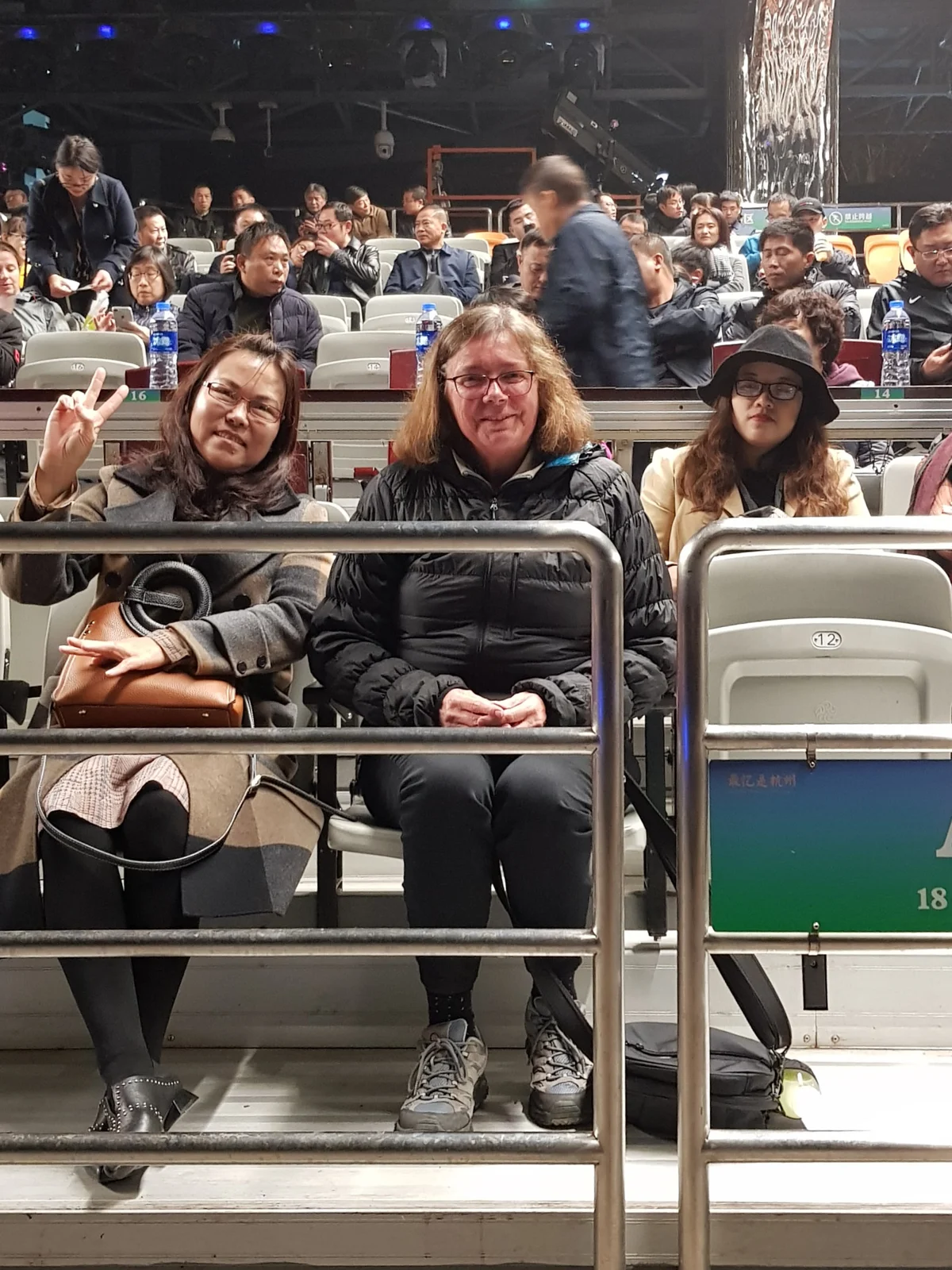
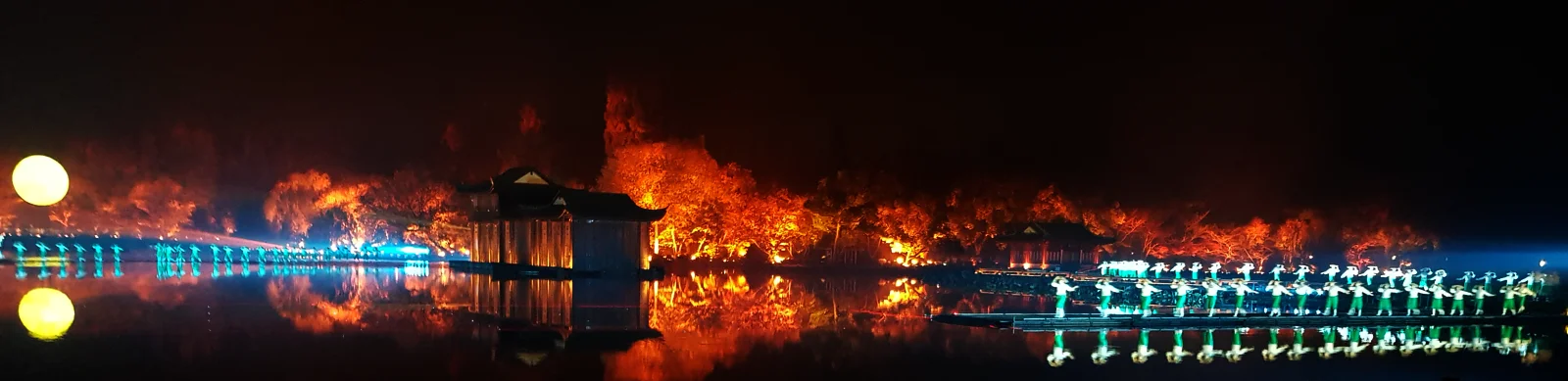
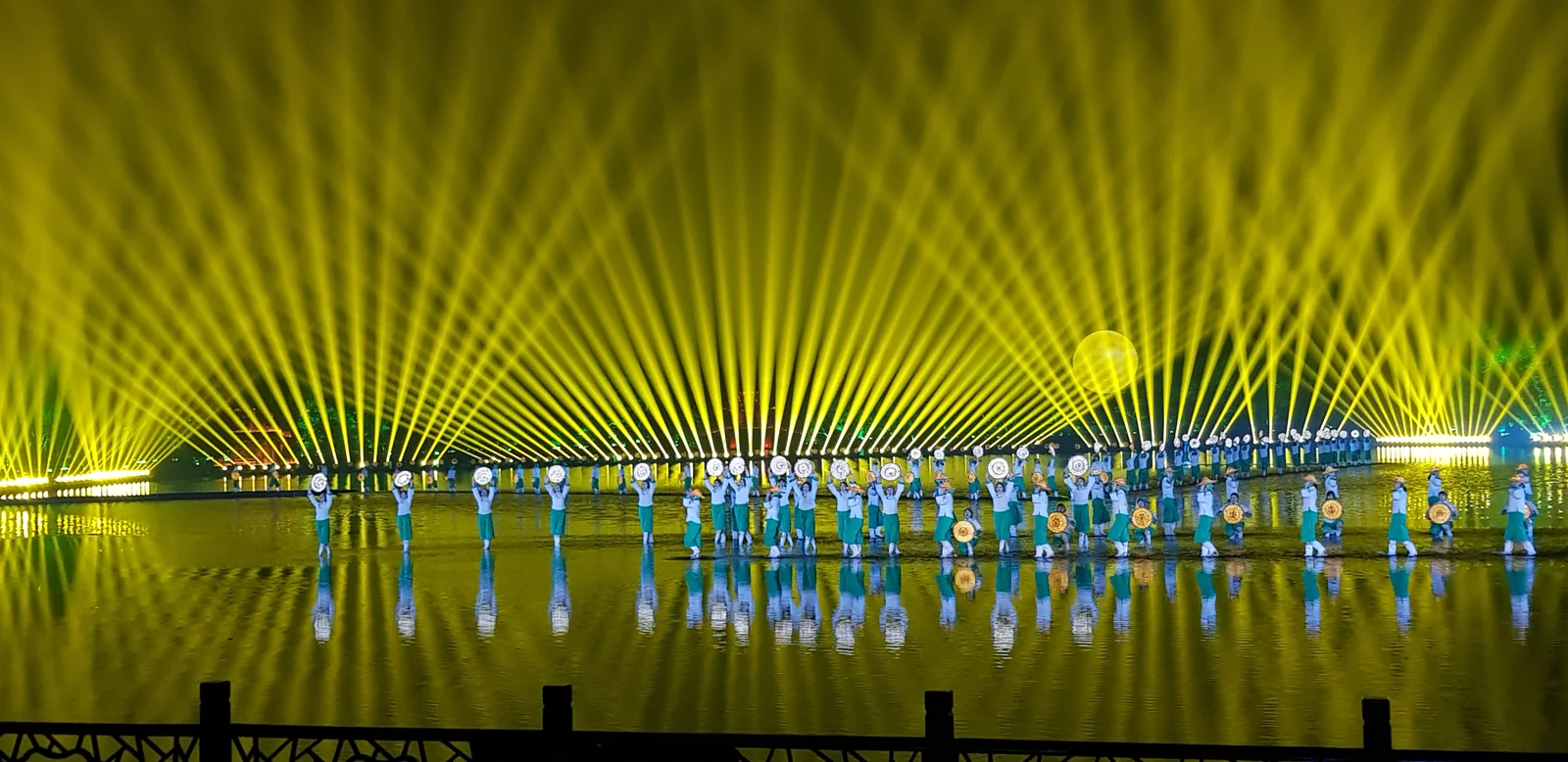
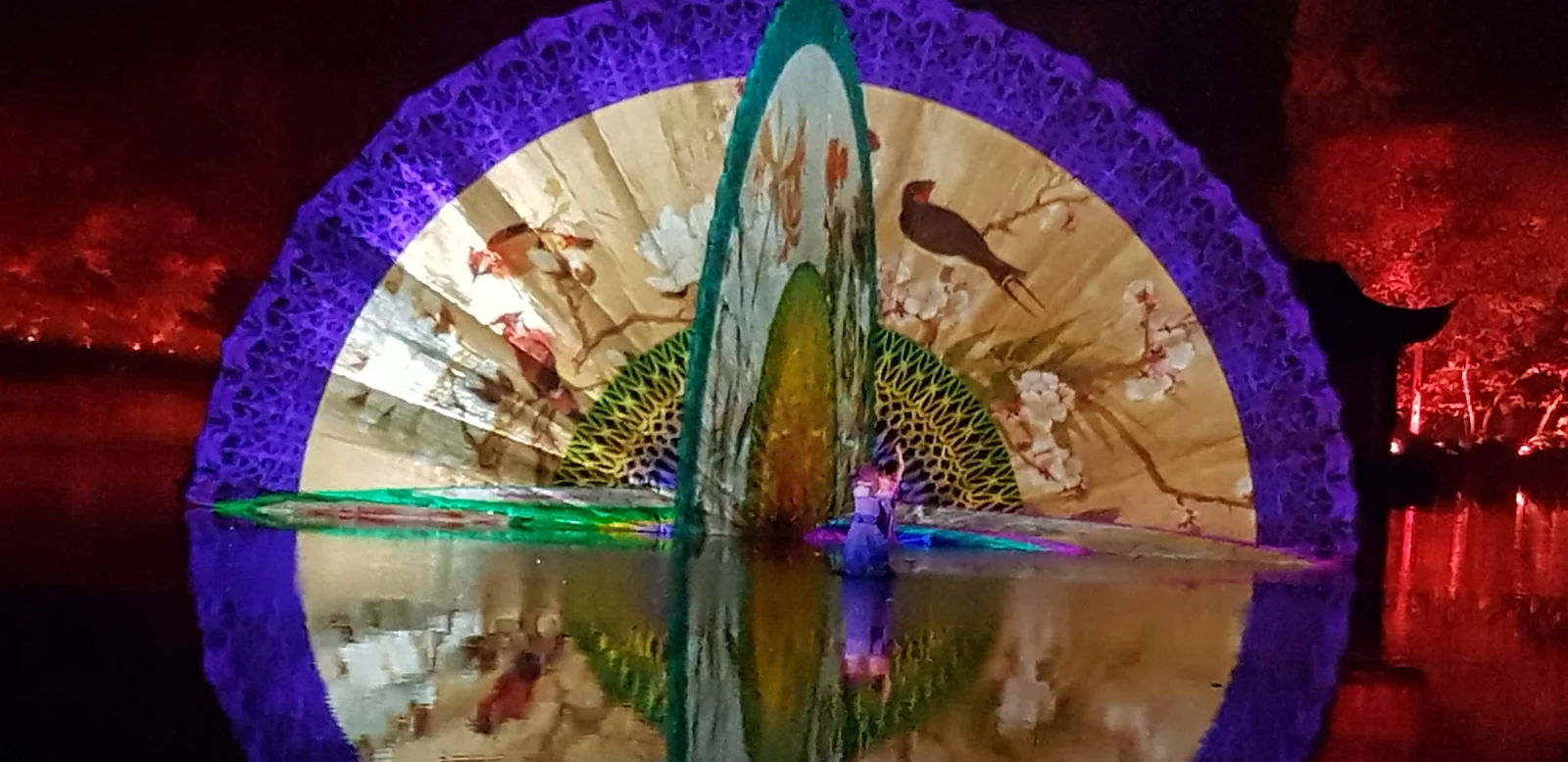
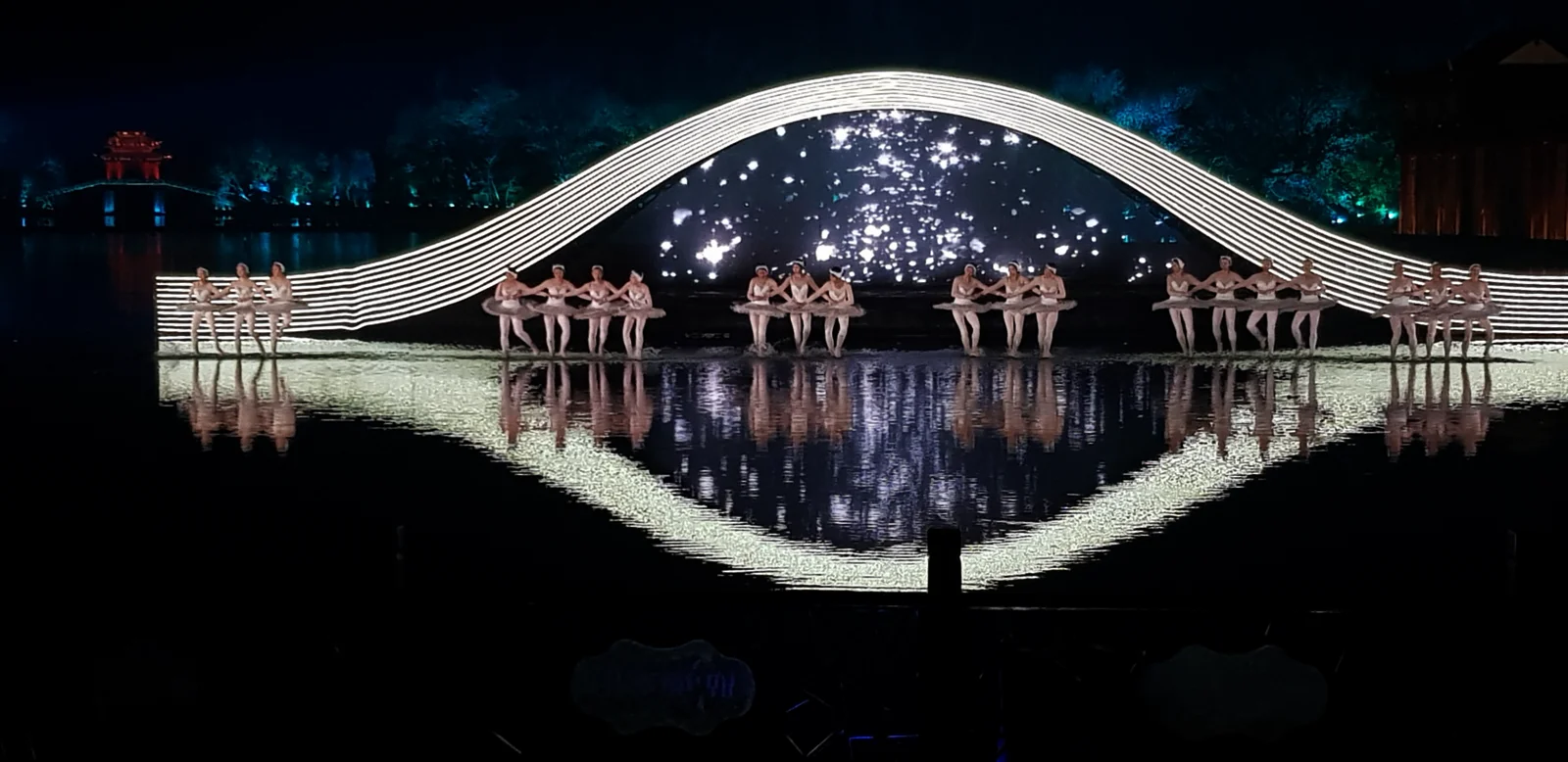
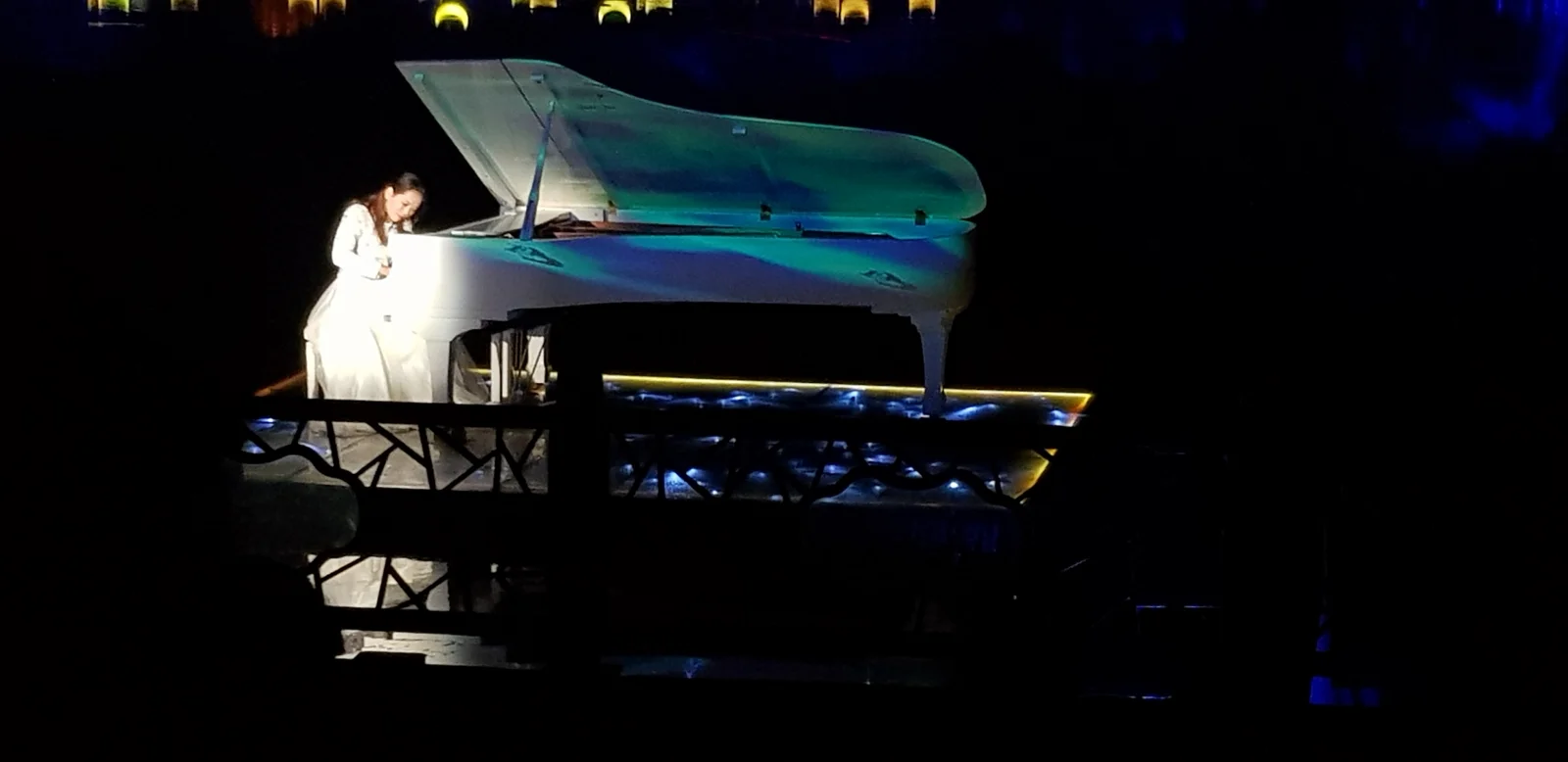
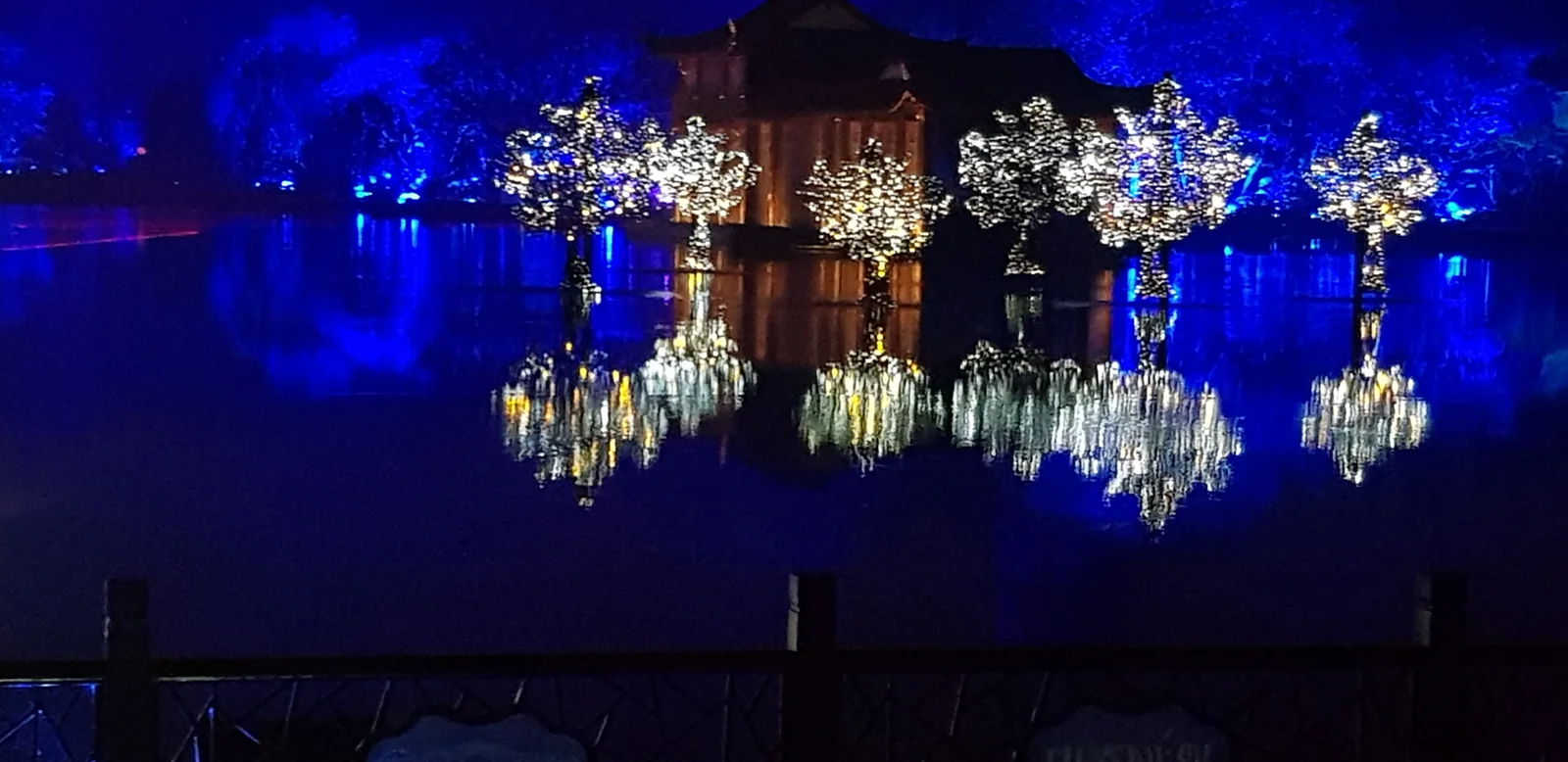
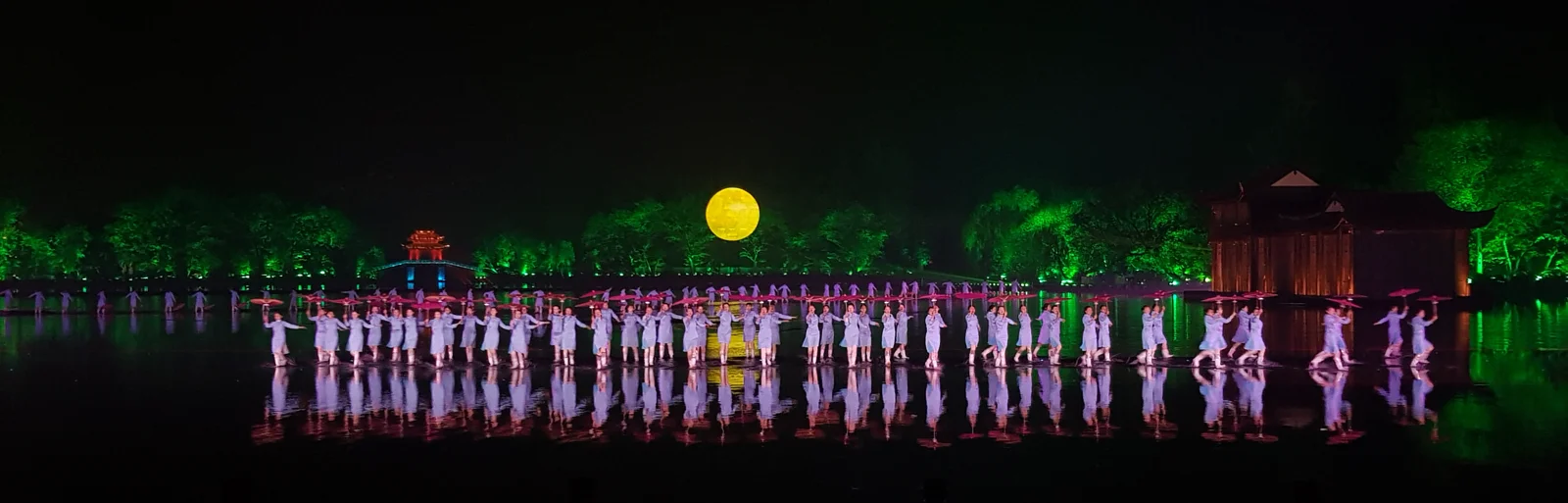
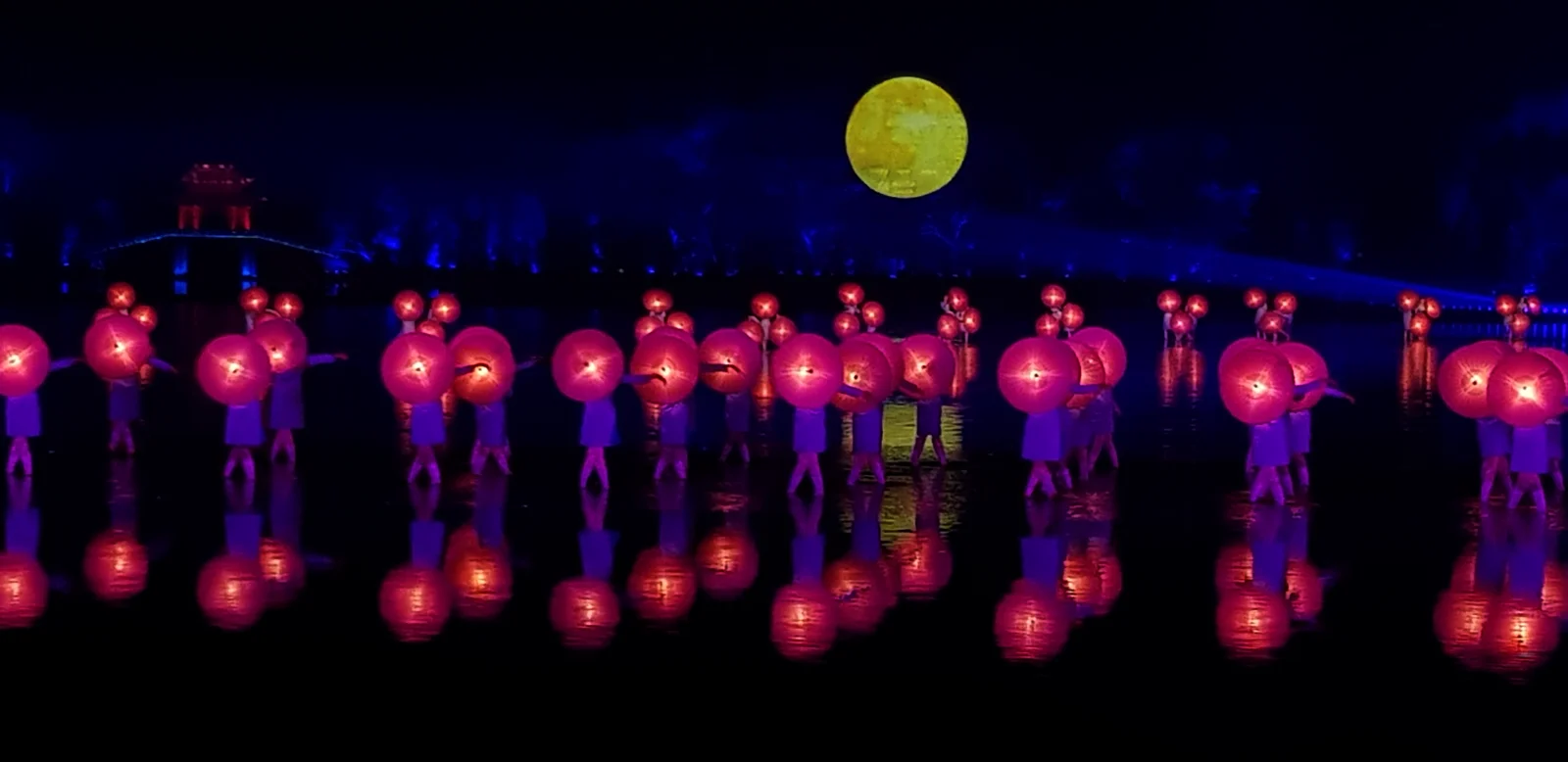
And finally, Hangzhou: elegant, serene, and unforgettable at night. Watching Enduring Memories of Hangzhou from a front-row seat made the experience even more memorable.

It was my fourth visit to Kunming, and I quickly slipped back into a familiar routine: studying Mandarin at Keats School, reconnecting with former teachers and making new international friends, exploring favourite neighbourhoods, and discovering new corners of a city that never seems to stand still.
Outside the classroom, Kunming offered its usual mix of old and new. I revisited familiar places such as Green Lake Park and Yuantong Temple, while Tanhuasi Park, Guandu Old Town, and the Golden Temple were new to me. As always, I spent plenty of time in markets, small temples, parks, and neighbourhoods that rarely make it into guidebooks.
One destination stood out as particularly unusual: the Kingdom of the Little People, a theme park on the outskirts of Kunming that employs people with dwarfism as performers, guides, and staff.
Visited: Green Lake Park – Yuantong Temple – Tanhuasi Park – Guandu Old Town – Golden Temple – Kingdom of the Little People

Time to leave the all-too-familiar downtown core and explore some lesser-known—but no less interesting—corners of Kunming.
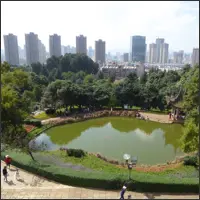
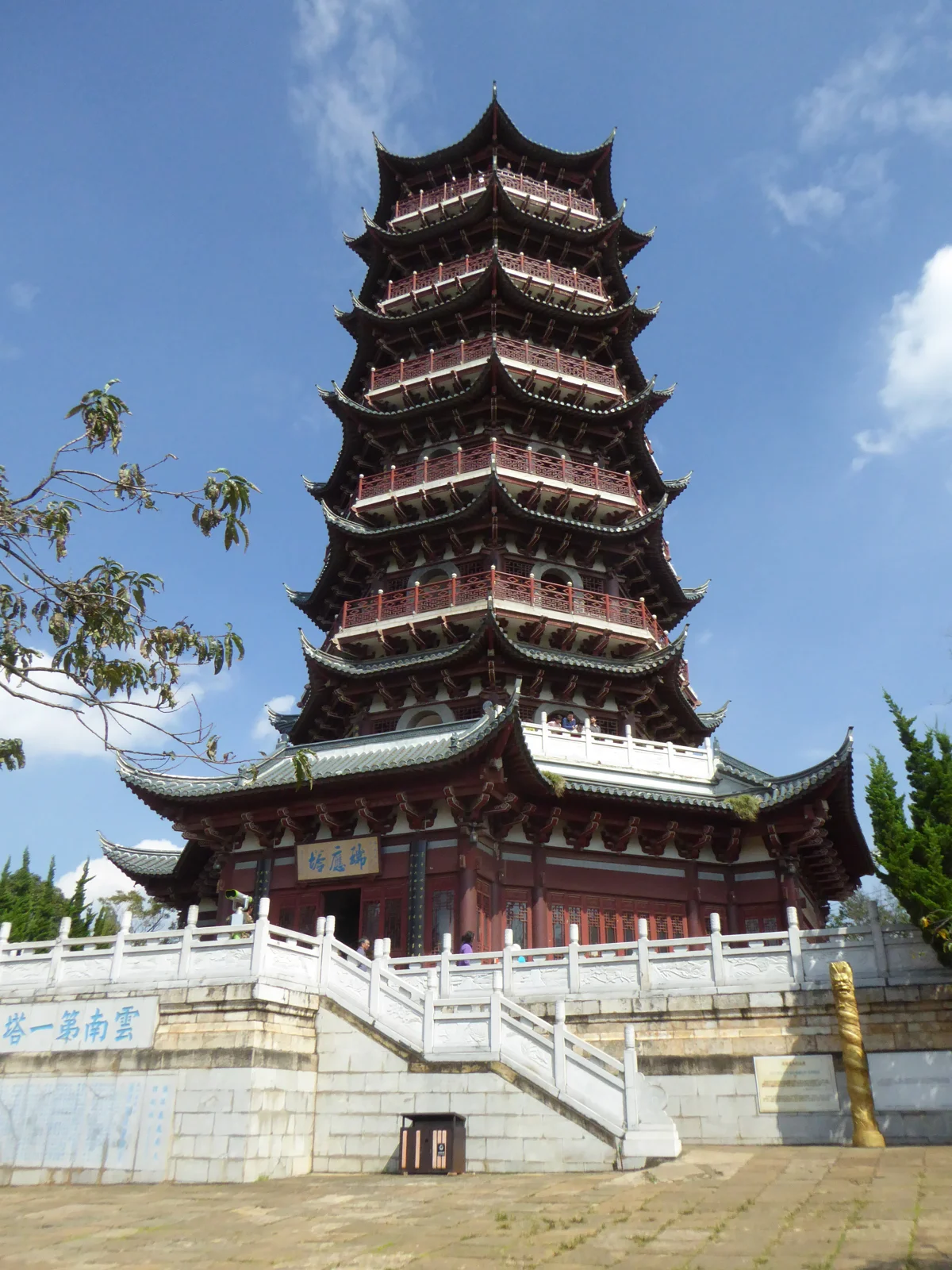
I returned to Tanhuasi Park a couple more times to show the pagoda to fellow students, but it was always closed. They never got to enjoy the view from above.
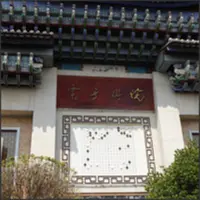
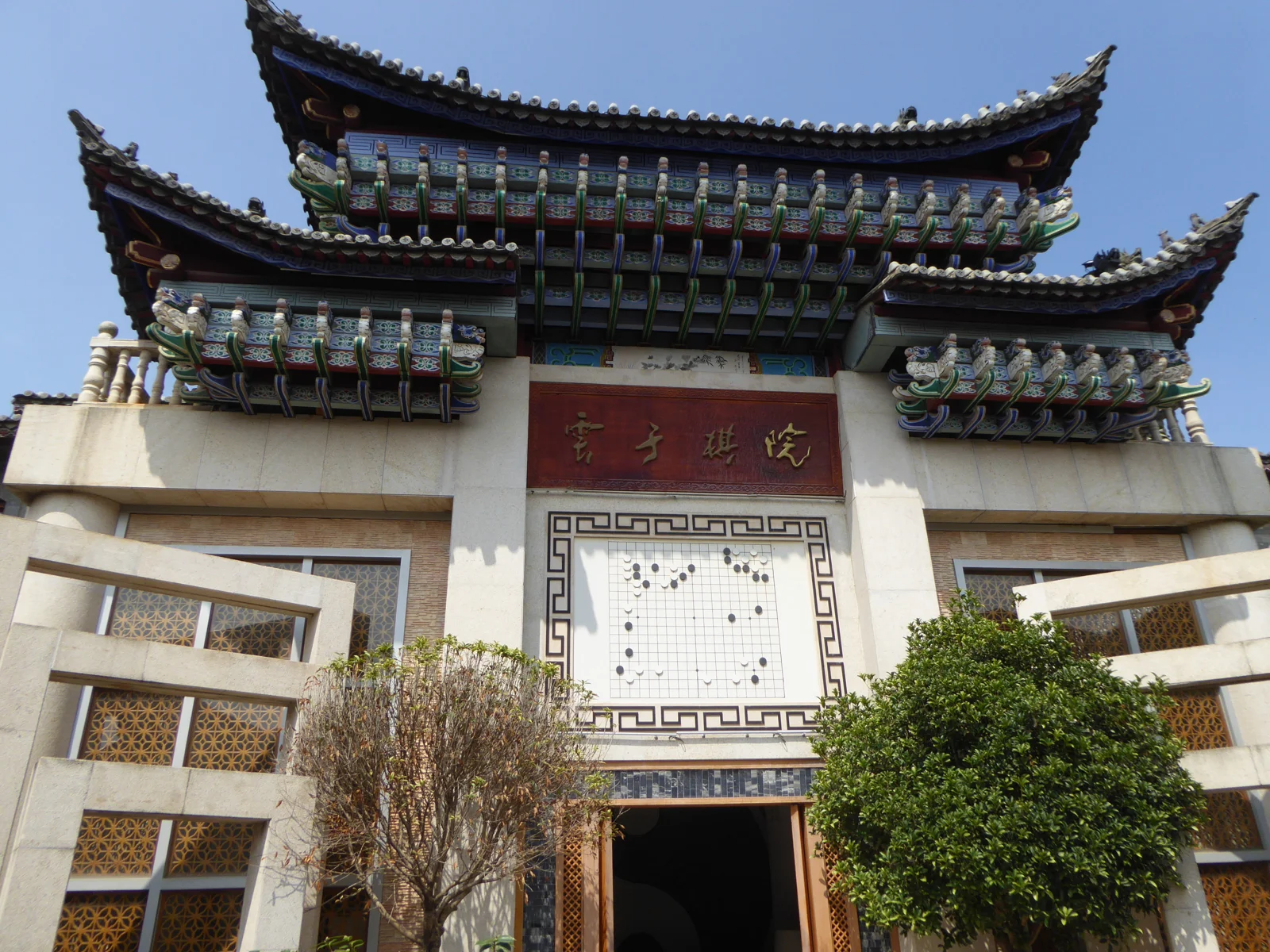
Guandu Ancient Town is famous not only for its temples but also for Yunzi, the traditional Go stones that have been manufactured in Yunnan for centuries.
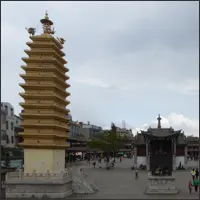
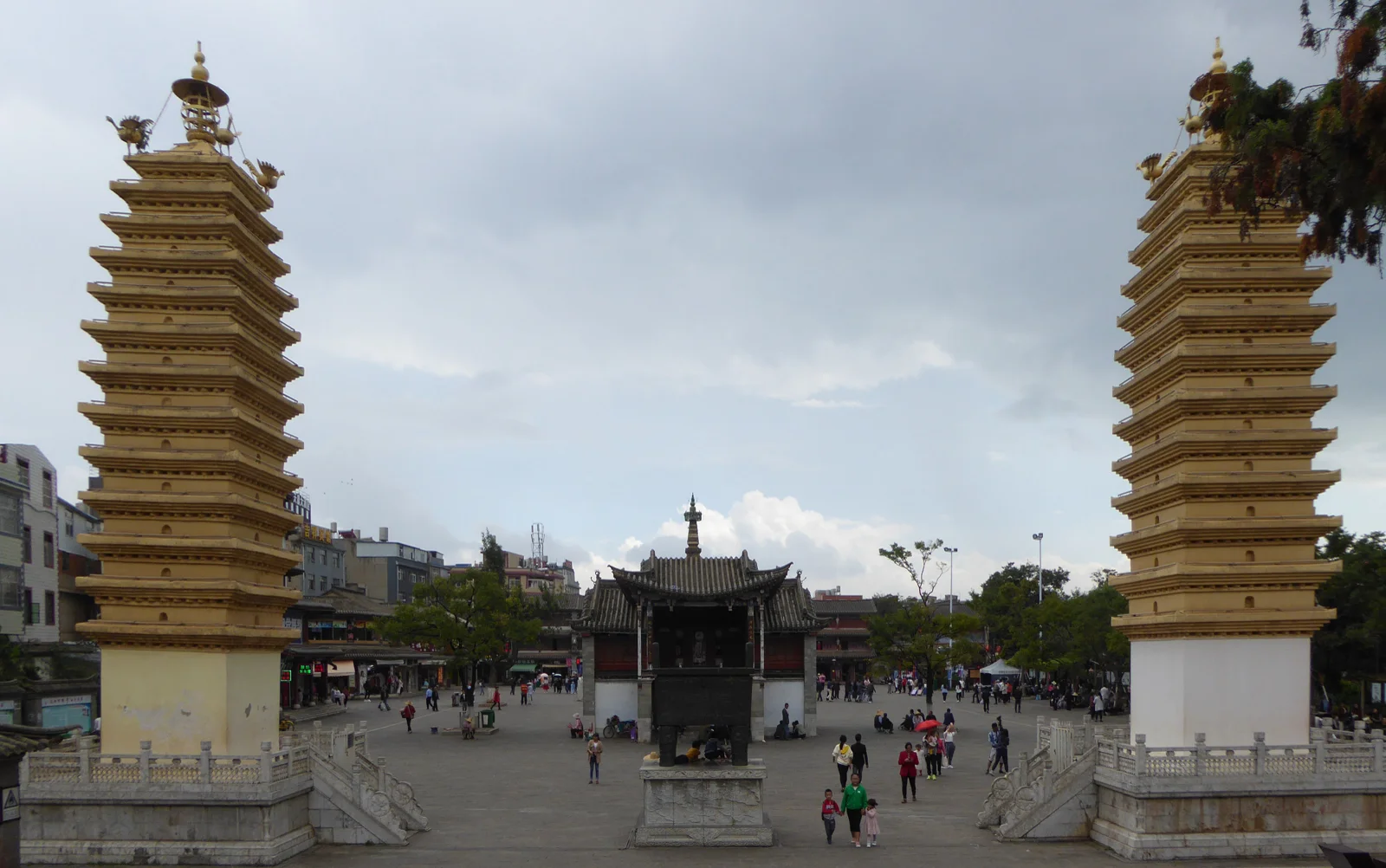
The East and West Pagodas date back more than 1,000 years. The smaller Jingang Pagoda was added later and now stands between them in the heart of modern Kunming.
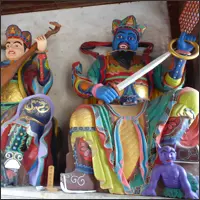
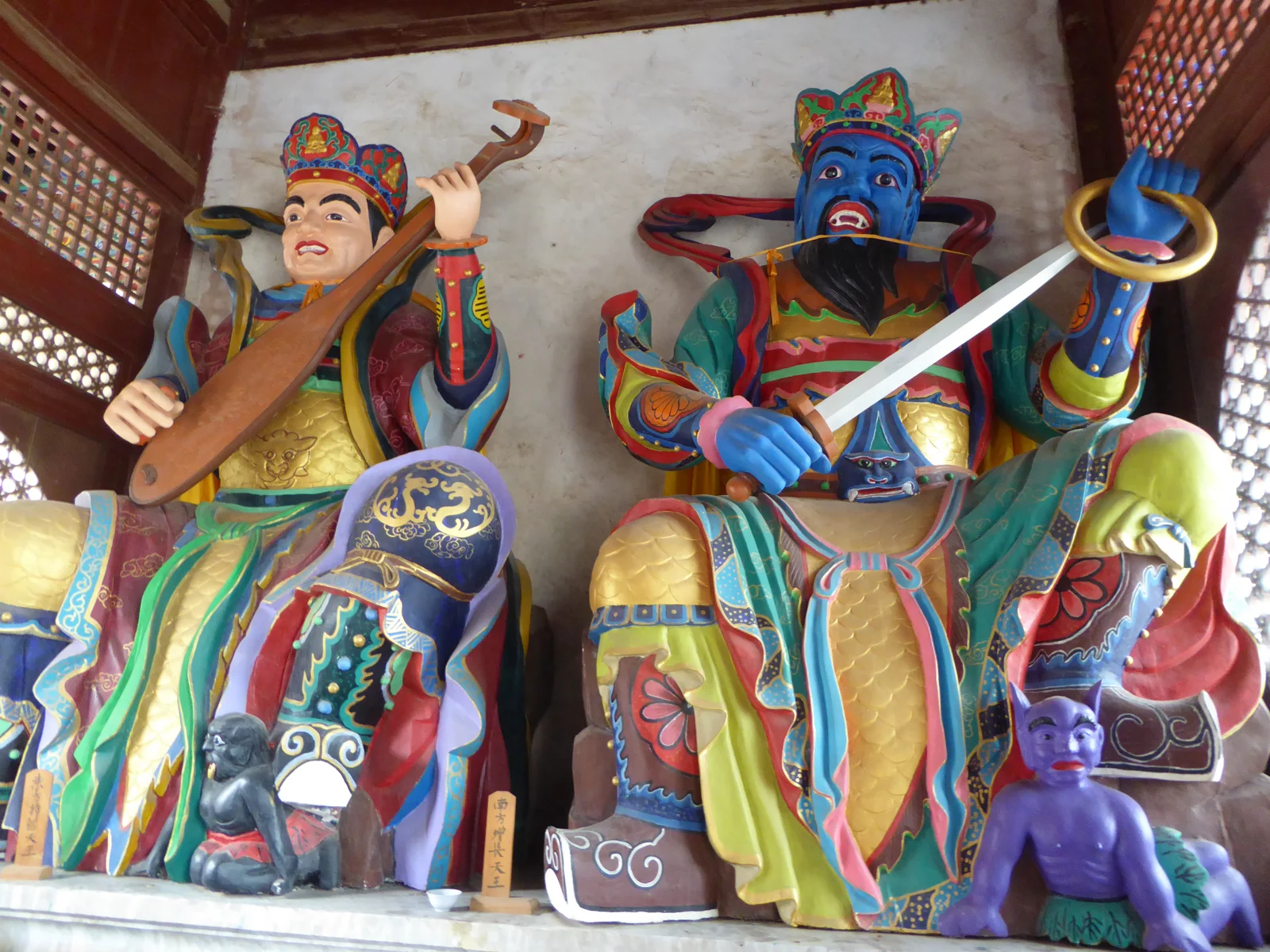
The Four Heavenly Kings guard the four cardinal directions and are commonly found near the entrances of Chinese Buddhist temples. Here are two of them at Miaozhan Temple, Guandu Ancient Town.
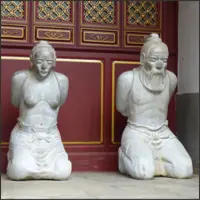
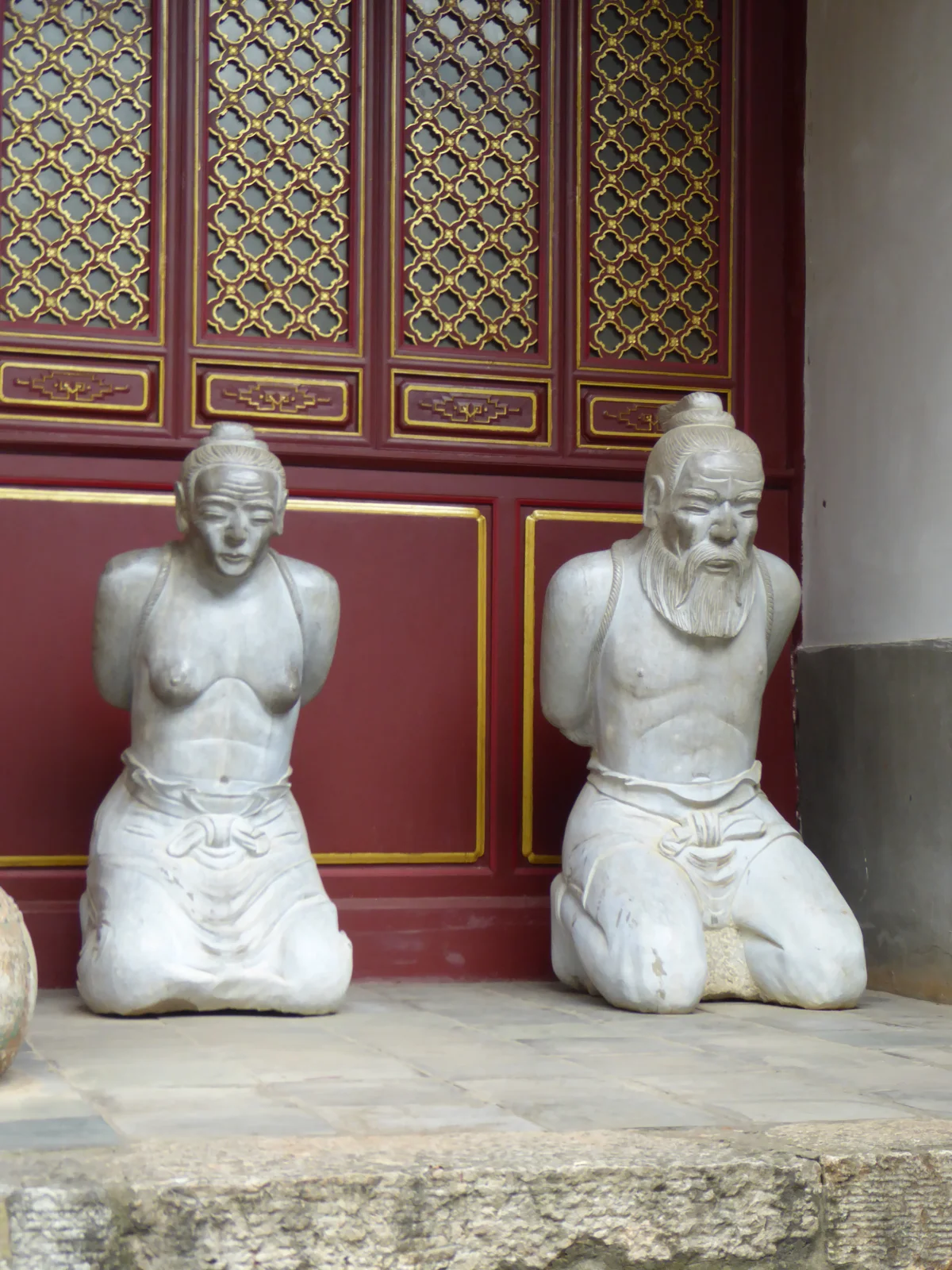
The kneeling figures of Qin Hui and Lady Wang are among the most recognizable symbols of betrayal in Chinese history. Their story is explained in the box below.

One of Kunming's most popular parks, Daguan Park, is known for its lakeside setting, traditional architecture, and relaxed atmosphere.

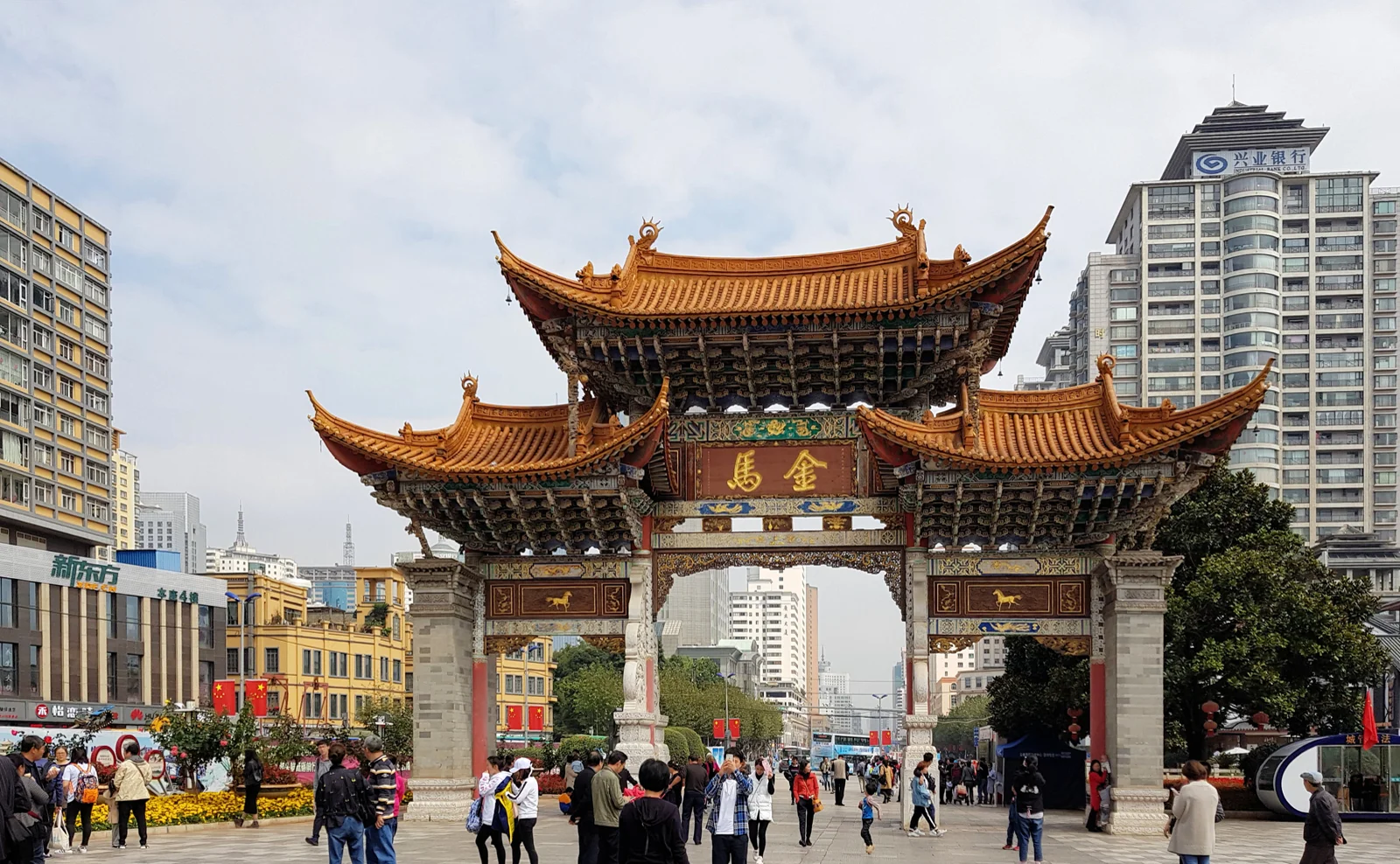
The ornate entrance gate marks the beginning of a peaceful walk through one of Kunming's most beautiful temple parks, the Golden Temple.

Despite its name, the Golden Temple is actually made of bronze. Built during the Ming Dynasty, it is China's largest and best-preserved copper temple.

The Golden Temple complex is surrounded by extensive gardens, mature trees, and quiet pathways that invite leisurely exploration.
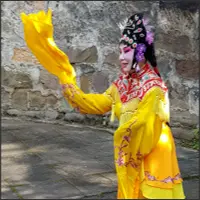

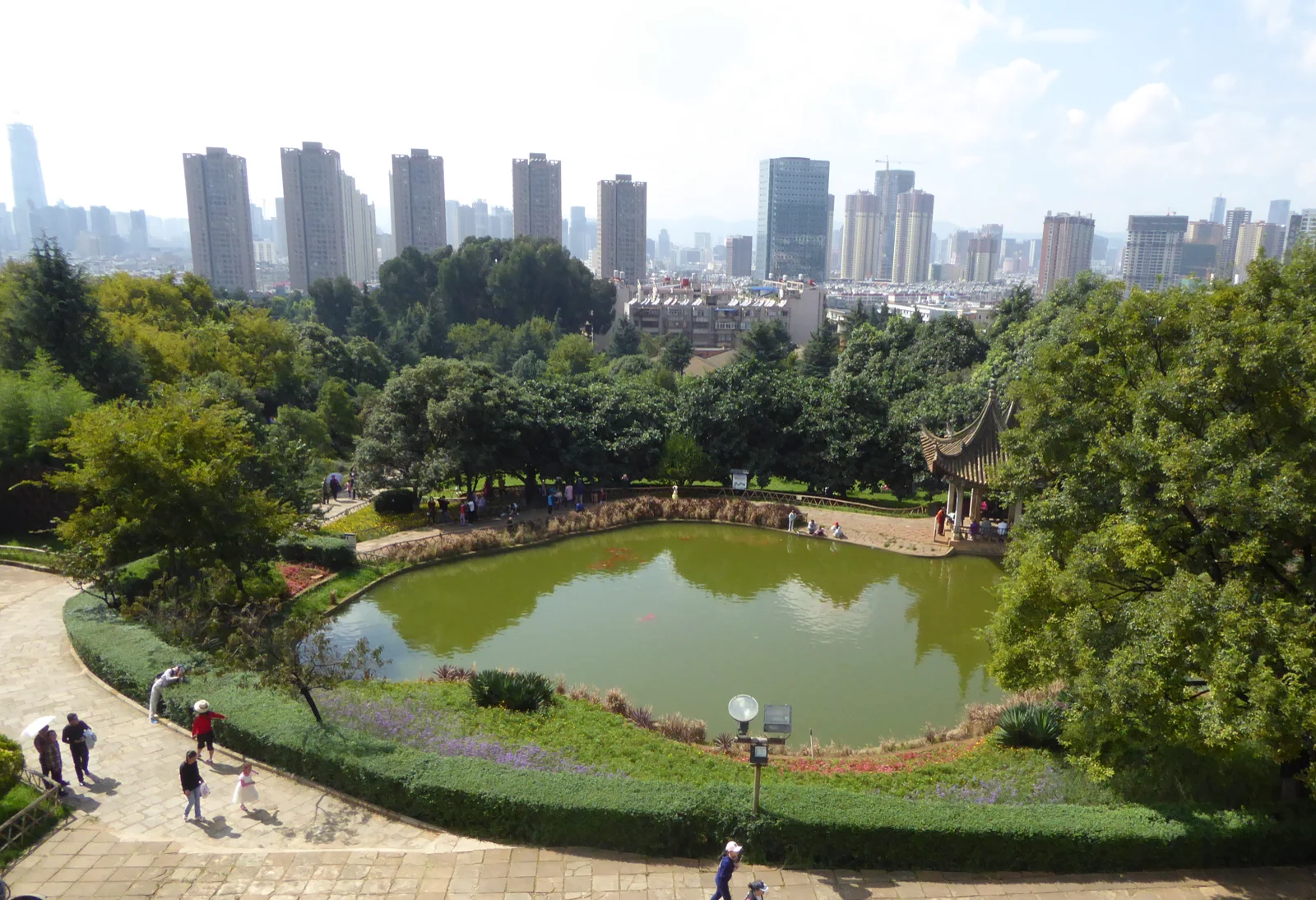
The hillside location of the Golden Temple offers sweeping views across Kunming and the surrounding landscape.

Always happy to challenge a local player—although in this case my opponent had been sitting perfectly still for centuries.
Wait… why are these two people kneeling??
The statues depict Qin Hui and his wife Lady Wang, two of the most infamous figures in Chinese history. Qin Hui was a powerful official of the Southern Song Dynasty and is traditionally blamed for the imprisonment and execution of the patriotic general Yue Fei (1103–1142).
For centuries, Qin Hui and Lady Wang have symbolized betrayal and corruption. Statues of the couple are often shown kneeling with their hands bound behind their backs as a form of eternal punishment and public shame. Visitors have historically expressed their contempt by spitting on the statues or striking them.
According to popular folklore, the famous Chinese fried dough stick youtiao (油条) originated as a symbolic representation of Qin Hui and his wife being deep-fried together.
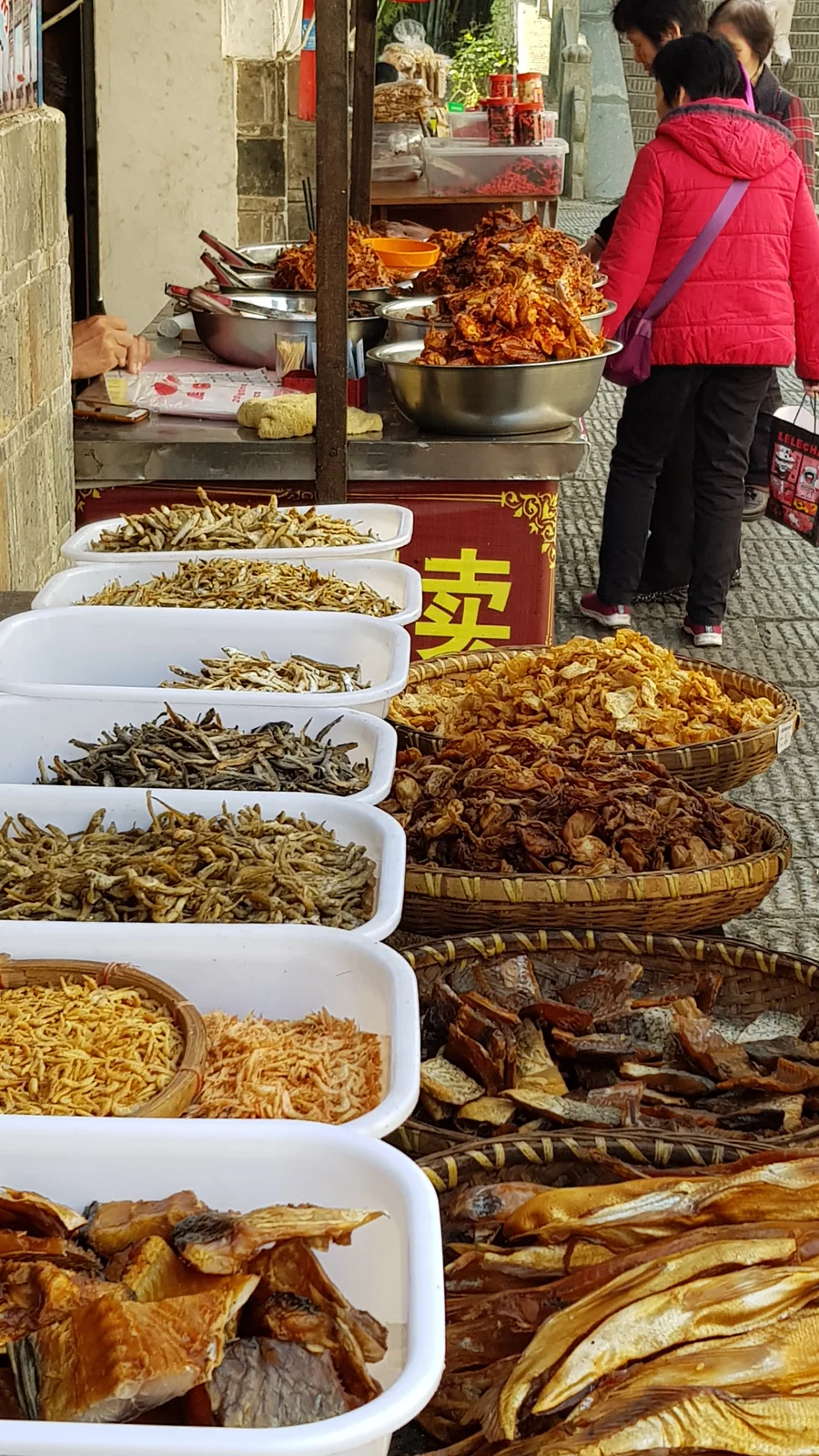
During my travels in China, I often encountered food displays that were very different from what I was used to back home. If you order fish at a restaurant, the head is often still attached and the glassy eyes stare back at you. A delicious chicken soup may arrive crowned by the head of its former owner. At wet markets, you can buy live poultry and have it slaughtered on the spot—or, if you prefer, take it home and do the job yourself.
The markets are equally revealing. Every part of the animal is used and sold: whole skinned carcasses, tails, intestines, pig snouts, bowls of fresh blood, flattened geese hanging from hooks, and carp steaks with the swim bladder still attached. For many local shoppers, these are perfectly ordinary sights. For me, they were fascinating, sometimes surprising, and occasionally a little unsettling.
To this day, I sometimes wonder why I'm still not a vegetarian. Then again, back home on Vancouver Island, where fishing is practically a way of life, anglers clean and gut salmon and halibut every day. Who am I to judge?
One thought always crosses my mind when walking through meat markets in China: this once was a living being, and somebody did the killing for me. Being aware of that, buying only what I need, and avoiding waste is the least I can do.


Before visiting the Kingdom of the Little People, I had come across a number of articles criticizing the concept and questioning whether it was exploitative. Curious to form my own opinion, I decided to see it for myself.
The reality turned out to be more complex than the headlines suggested. While the park is certainly unconventional and not without controversy, it also provides employment, companionship, and living and working environments adapted to the needs of its residents and performers. As is often the case, the truth seemed less black-and-white than many of the opinions I had encountered beforehand.
While revisiting my notes in 2026, I came across several recent articles and videos about the park. They show how the Kingdom of the Little People has evolved since my visit in 2018 and, in my opinion, present a balanced view of both the criticism and the opportunities the park provides. Their observations closely match my own impressions:

The huge park covers many different themes. Near the entrance are whimsical fairy-tale buildings. They are purely decorative—the residents don't live there. This is one area where I agree with some of the critics: it felt a little childish.

Then again, perhaps the idea was to show young visitors how comfortable life can be when everything is sized just right.

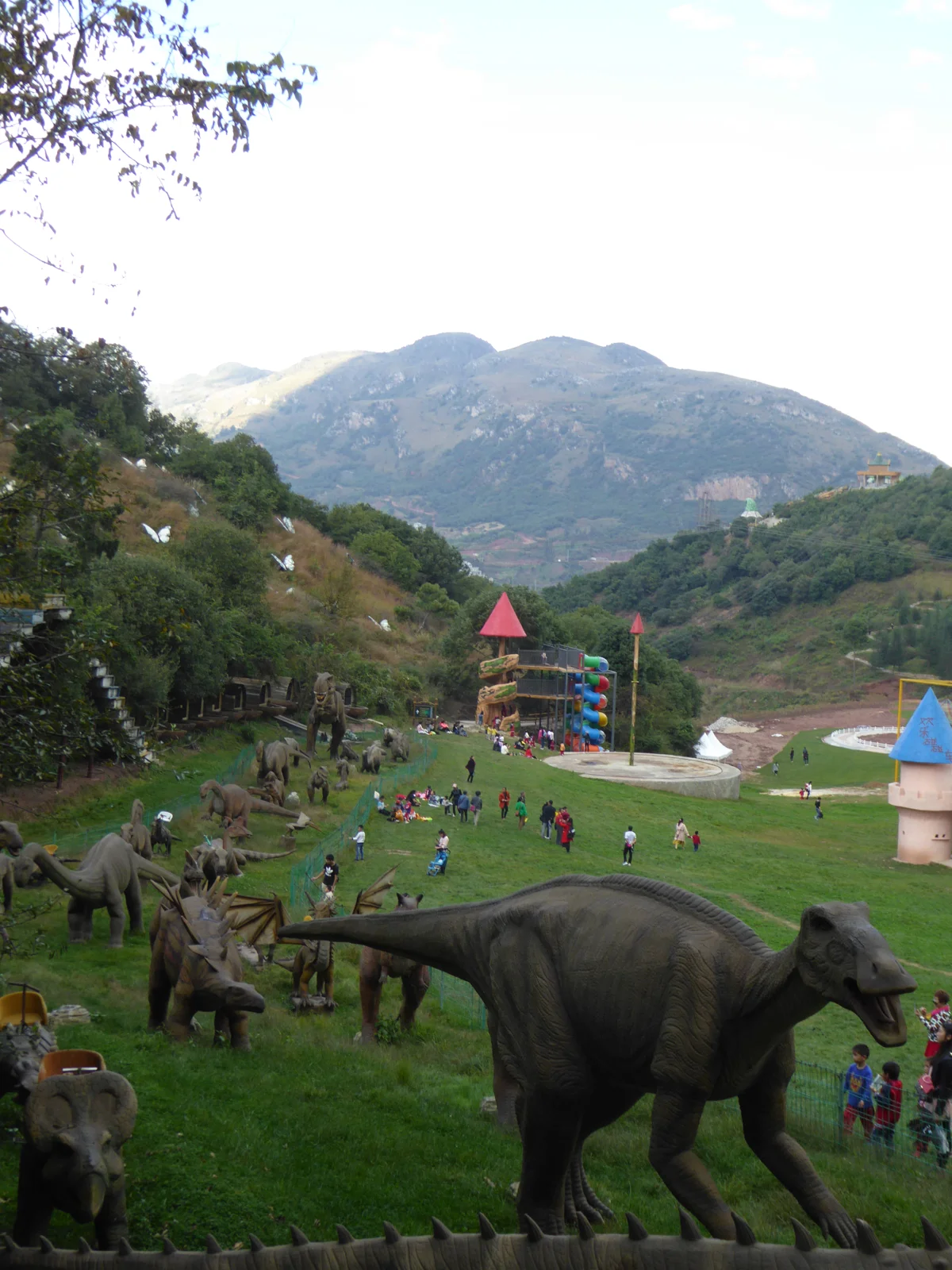
The dinosaur area also seemed aimed primarily at younger visitors, who appeared to be having a great time.

A huge airplane intended as a future restaurant. It still appears to be there today, but from what I found online it was never used to serve food. Perhaps some projects are simply too ambitious—even for tall people.

Construction was underway throughout the park during my visit. Judging by the videos from 2026, the park seems much livelier today than it was in 2018.

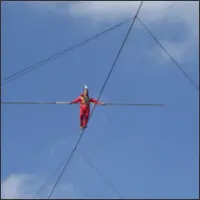
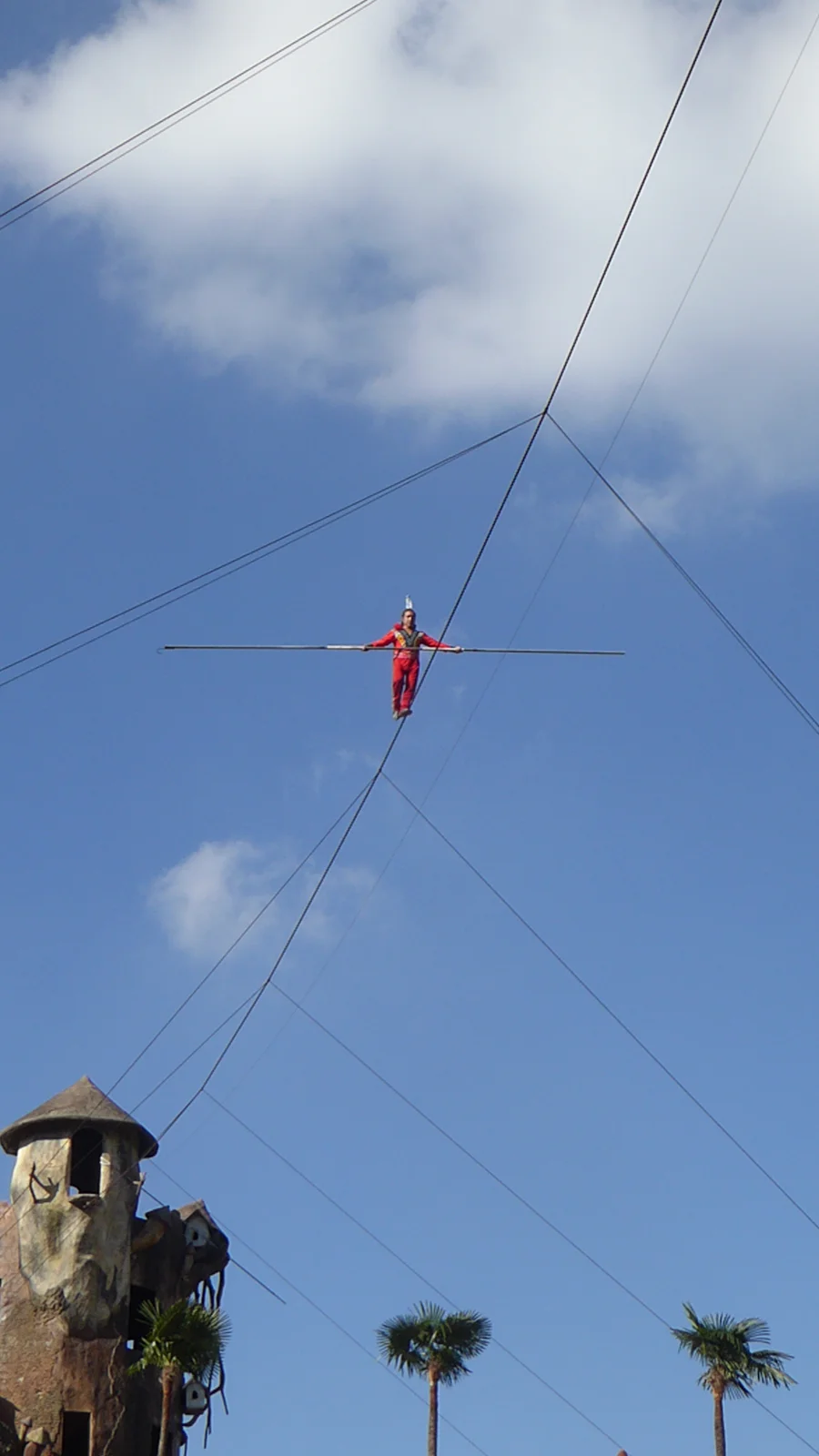
Watching this tight rope acrobat was the highlight of my visit. His performance was extraordinary and conveyed a powerful message: being short does not limit what a person can achieve. The sky is the limit.

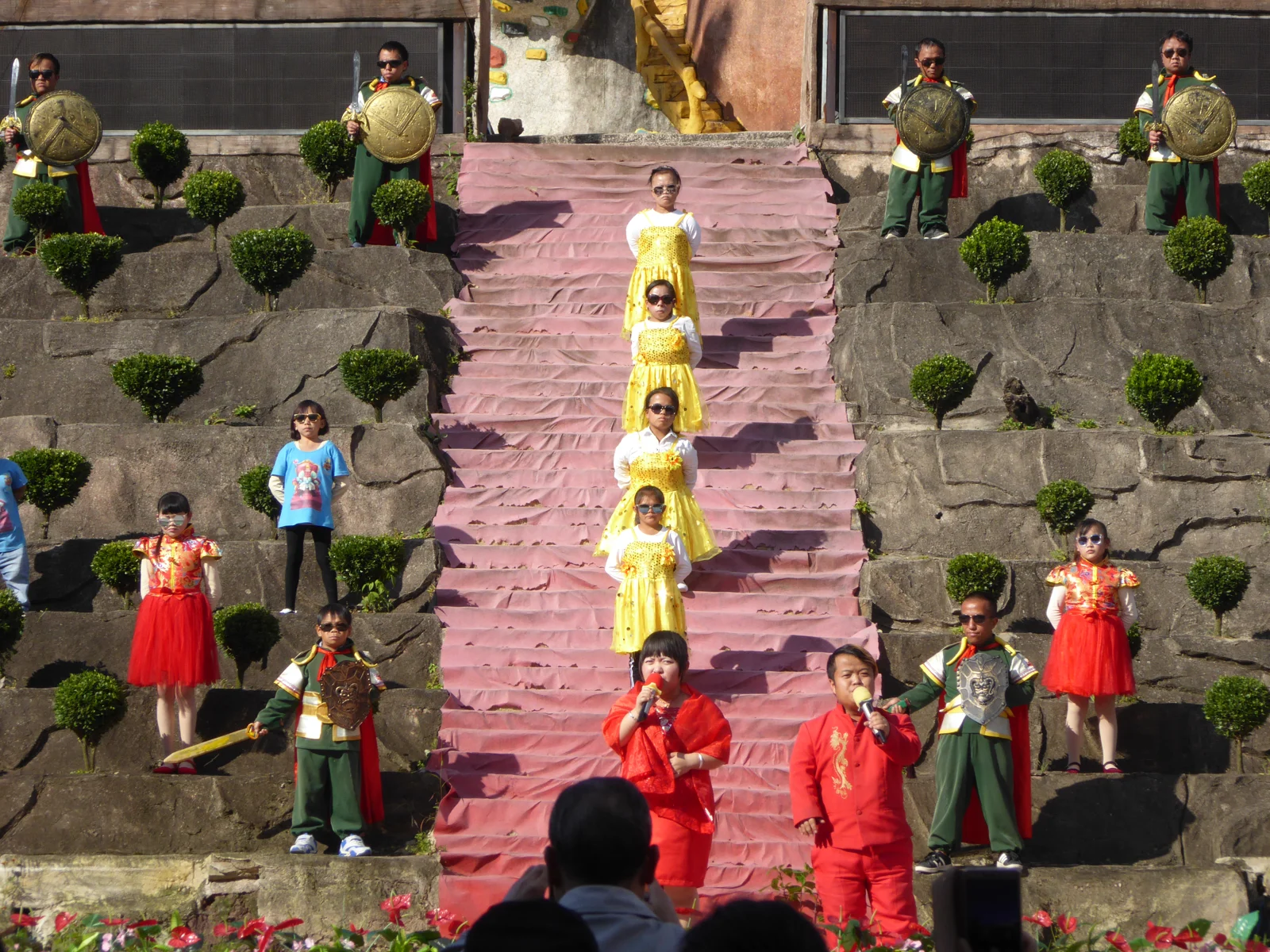
The performances offered a role for everyone: singing, dancing, comedy, and plenty of audience interaction.

Just beyond the ticket booths is an elaborate butterfly world featuring both living and preserved specimens. To be honest, I paid little attention to it—our mission lay elsewhere that day.

This artwork, depicting a tiger's face created entirely from arranged butterfly wings, definitely caught my attention.

I admit, my return to Guilin was driven largely by nostalgia. I had spent several wonderful weeks here in 20151 and 20162 (I've linked to those earlier visits for anyone interested), and this time I wanted to reconnect with a place that had become very special to me.
What the photos on this page don't show is what mattered most.
Long before I arrived, messages started appearing: When are you coming? Let's have dinner. We have to meet! Somehow, everyone found time in their busy lives. We shared meals, wandered through Guilin's beautifully lit streets in the evening, caught up on the past few years, celebrated new beginnings, and met the newest additions to growing families. It didn't feel like returning to a school. It felt like coming back to old friends.
People often ask me why I keep returning to China. The spectacular landscapes, fascinating history, and rich culture are certainly part of the answer. But what keeps drawing me back are the people. Through my time at CLI, doors opened that few visitors ever have the chance to walk through. Friendships grew that continue to enrich my life today. More than anything else, they shaped the way I see China.
The ten days I spent in Guilin were therefore a perfect blend of heartfelt reunions, wandering through all-too-familiar streets, and discovering a few more corners of the city. As so often happens when I return to a place in China, I'm once again amazed by how much there still is to discover.
1 Guilin 2015 and 2 Guilin 2016
Visited: West Hill Park — Jiangtou Ancient Village — Seven Star Park — Nengren Temple


Chengyun Gate, the main entrance to the historic Jingjiang Princes' Palace. Built in 1372 during the early Ming Dynasty, this former royal complex is even older than Beijing's Forbidden City.


Many of Guilin's karst hills are open to visitors. Getting to the top usually means climbing what feels like an endless staircase.


Flower Bridge in Seven Star Park, the oldest bridge in Guilin, dating back to the Southern Song Dynasty.


Cormorant Fishing
Cormorant fishing has been practiced in parts of China for well over a thousand years and is one of Guilin's most recognizable traditions. Today it is largely a tourist attraction, although I still haven't managed to see a demonstration in person.
Traditionally, each cormorant wears a loose ring around its neck that prevents it from swallowing larger fish. After catching several fish for the fisherman, the ring is removed so the bird can enjoy its reward. It's a simple system that relies on cooperation rather than force—after all, these intelligent birds would quickly lose interest if there weren't something in it for them.
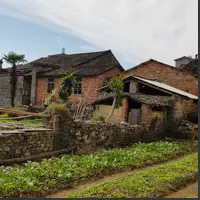
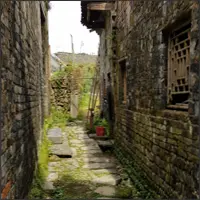
Jiangtou Ancient Village, about 30 km northeast of Guilin, is one of the best-preserved traditional villages in Guangxi. Founded more than 800 years ago, it still contains hundreds of Ming and Qing Dynasty houses connected by narrow cobblestone lanes, ancient bridges, wells, and courtyards. Even today, most residents belong to the Zhou family, descendants of the famous Song Dynasty philosopher Zhou Dunyi. Walking through the village feels less like visiting a museum and more like stepping into a place where everyday life has continued at its own gentle pace for centuries.
After wandering through the village, I ventured farther into the surrounding countryside. I followed what seemed like endless rows of meticulously tended orange trees, my mouth watering a little more with every step. Surely I'd be able to buy some fresh oranges somewhere along the way!
Eventually I reached a lone building that housed a tiny village store that, much like the ancient village itself, looked as though it had hardly changed in decades. Inside were just a few sparsely stocked shelves—but, to my great disappointment, no oranges. I bought a bottle of water instead. The price? When converted into Canadian dollars, just a few pennies, the cheapest drink I've ever bought in China.
I never did get to taste the fruit of their labour, but I'll always remember Jiangtou as one of the most peaceful and idyllic places I visited in China—a day that was simply good for the soul.




If you've followed me for a while, you've probably noticed that I'm not much of a foodie. That sets me apart from pretty much all my Chinese friends—in fact, from almost every Chinese person I've met—because they simply love food! And who can blame them? China has eight major culinary traditions, each rich and wonderfully distinct. When people in the West talk about "Chinese food," it sounds to me a bit like saying "European food." As if British, French, German, Italian, and Spanish cuisine, to name just a few, all tasted the same.
While I've enjoyed many amazing dishes throughout China, my culinary journey has always had one significant limitation. Chinese meals are meant to be shared and sampled together, and—most of the time—I'm a solo traveler. So I usually fill my tummy at street stalls and small mom-and-pop restaurants.
One day, a fellow student introduced me to the vegan buffet restaurant at Nengren Temple. It very quickly became my all-time favourite restaurant. The variety of dishes, their beautiful presentation, and, above all, the fact that each and every one had its own distinct flavour was outstanding. And the price for the buffet? Around five Canadian dollars.
This time I stayed in Guilin only briefly, but I still managed to eat there several times—both with friends and on my own. If this restaurant were in my neighborhood, there's a good chance I'd become an involuntary vegetarian!


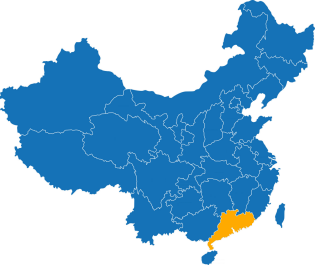
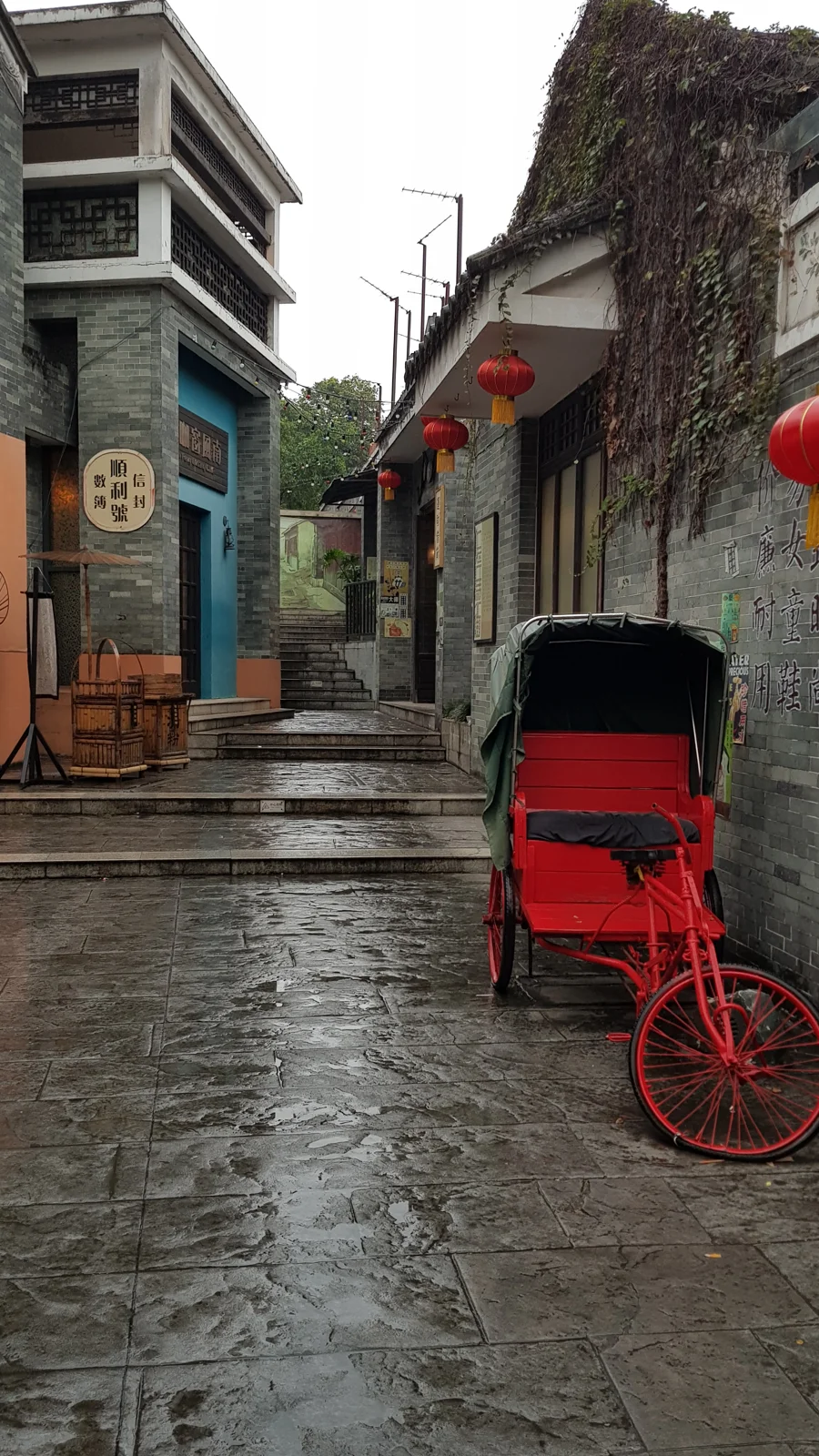
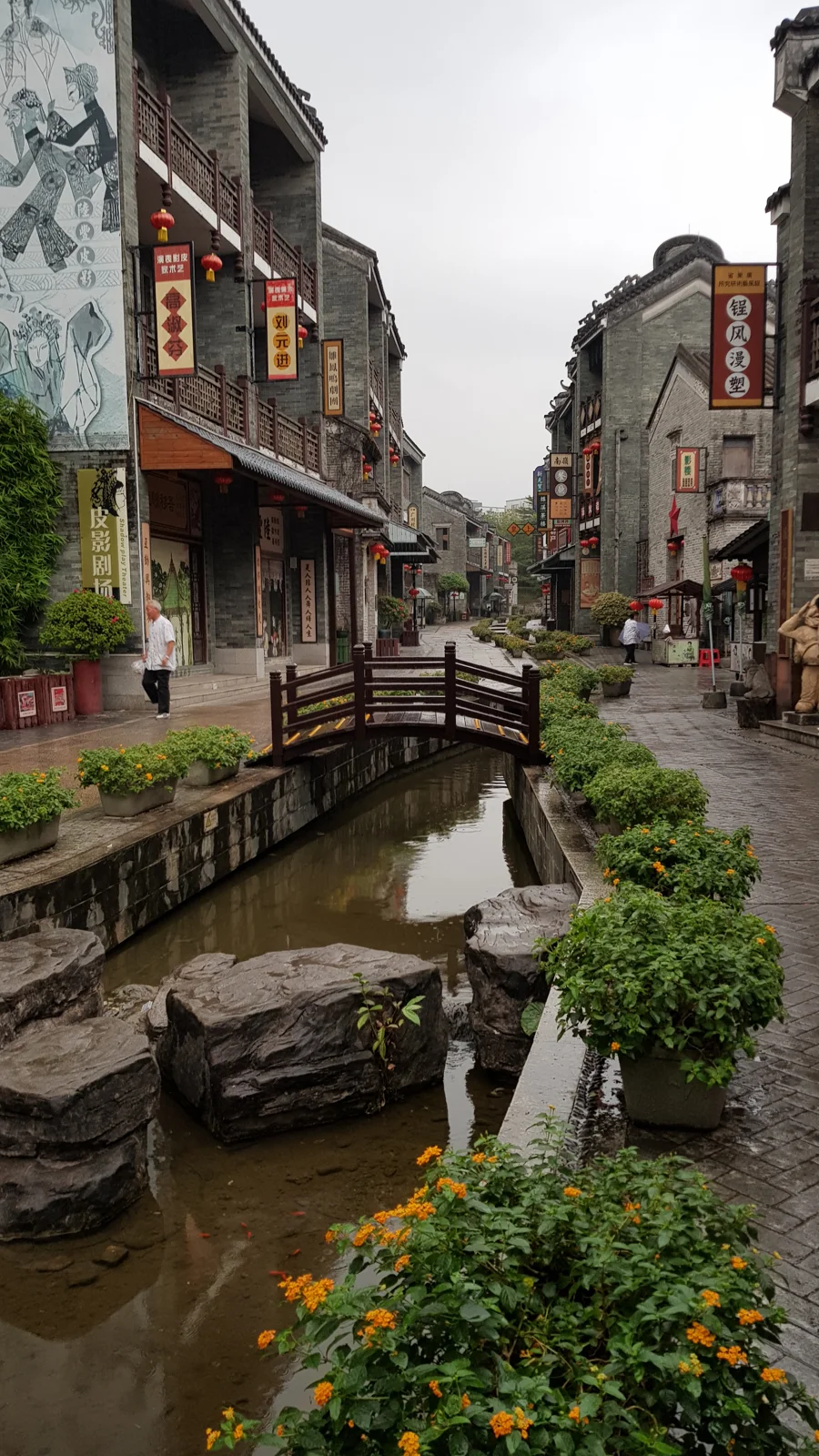
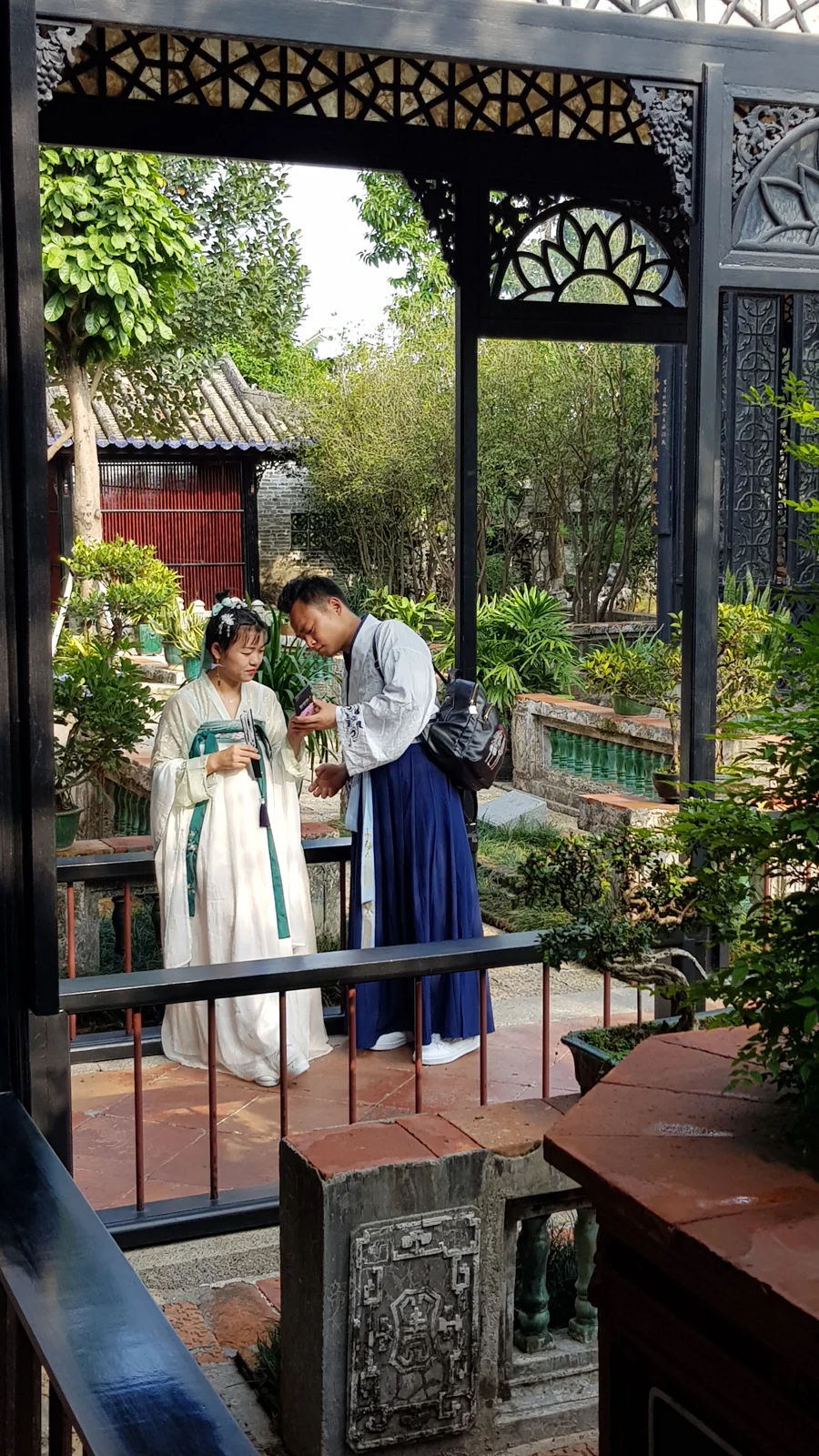
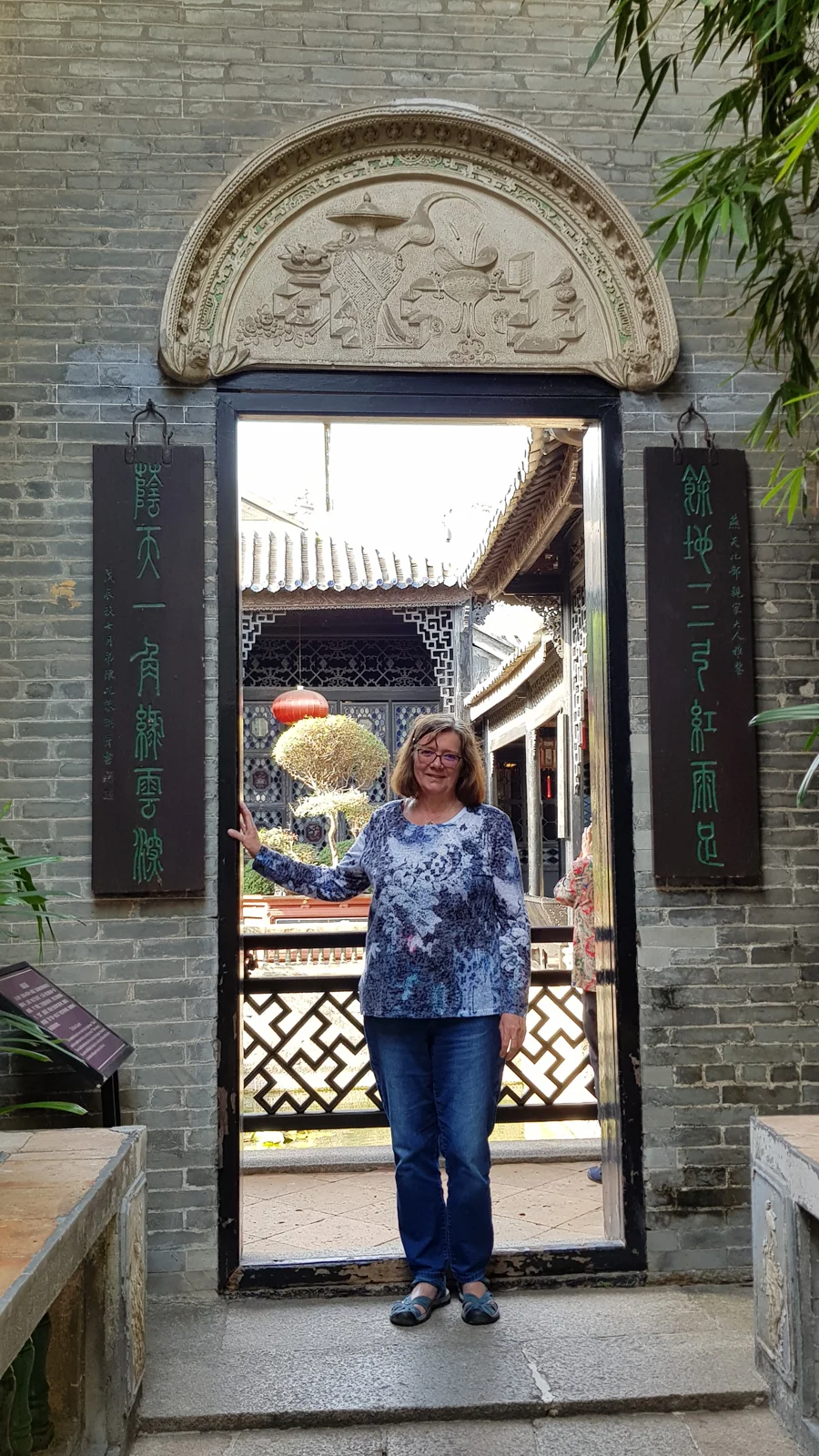
I spent only three days in Guangzhou. It proved once again that in China, even a short stop can uncover unexpected places and surprising connections.
Visited: Lingnan Impressions Park — Shamian Island — Yuyin Shanfang
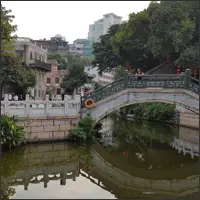
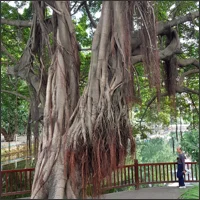
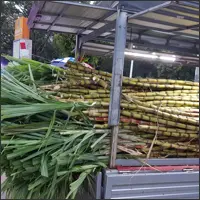
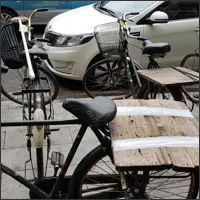
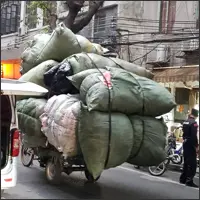
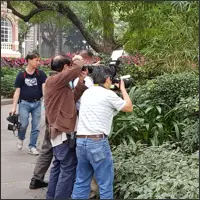
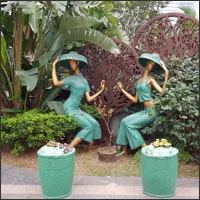
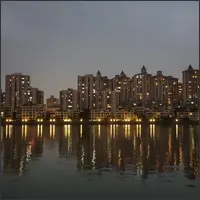
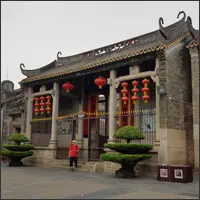
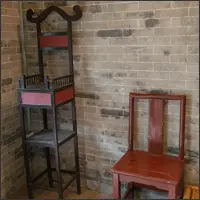
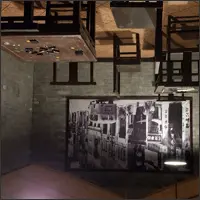
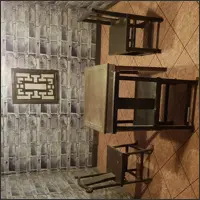
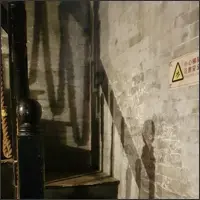
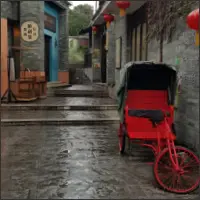
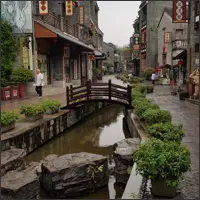
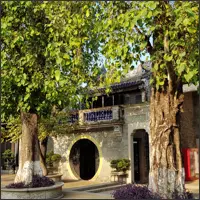
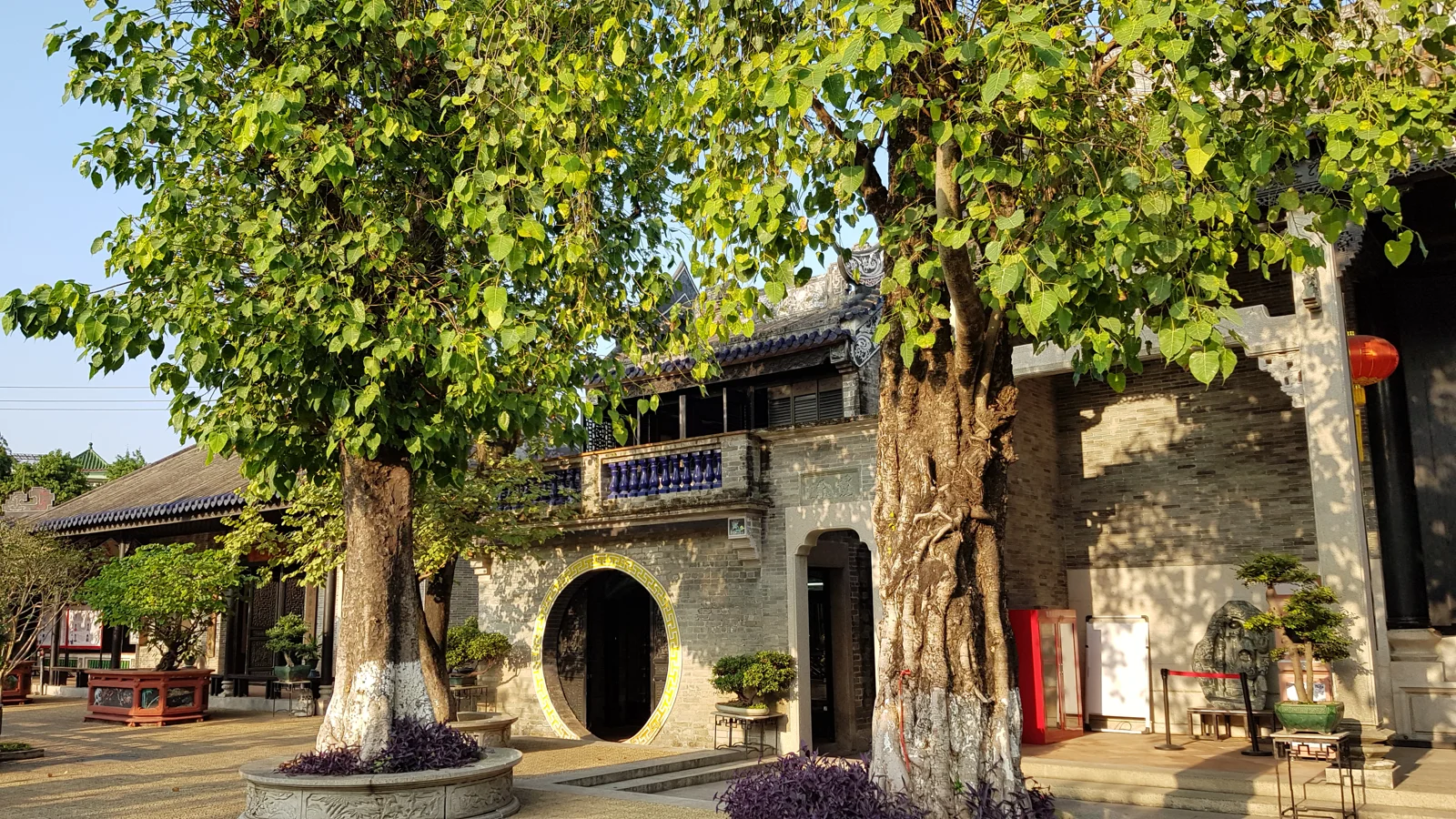
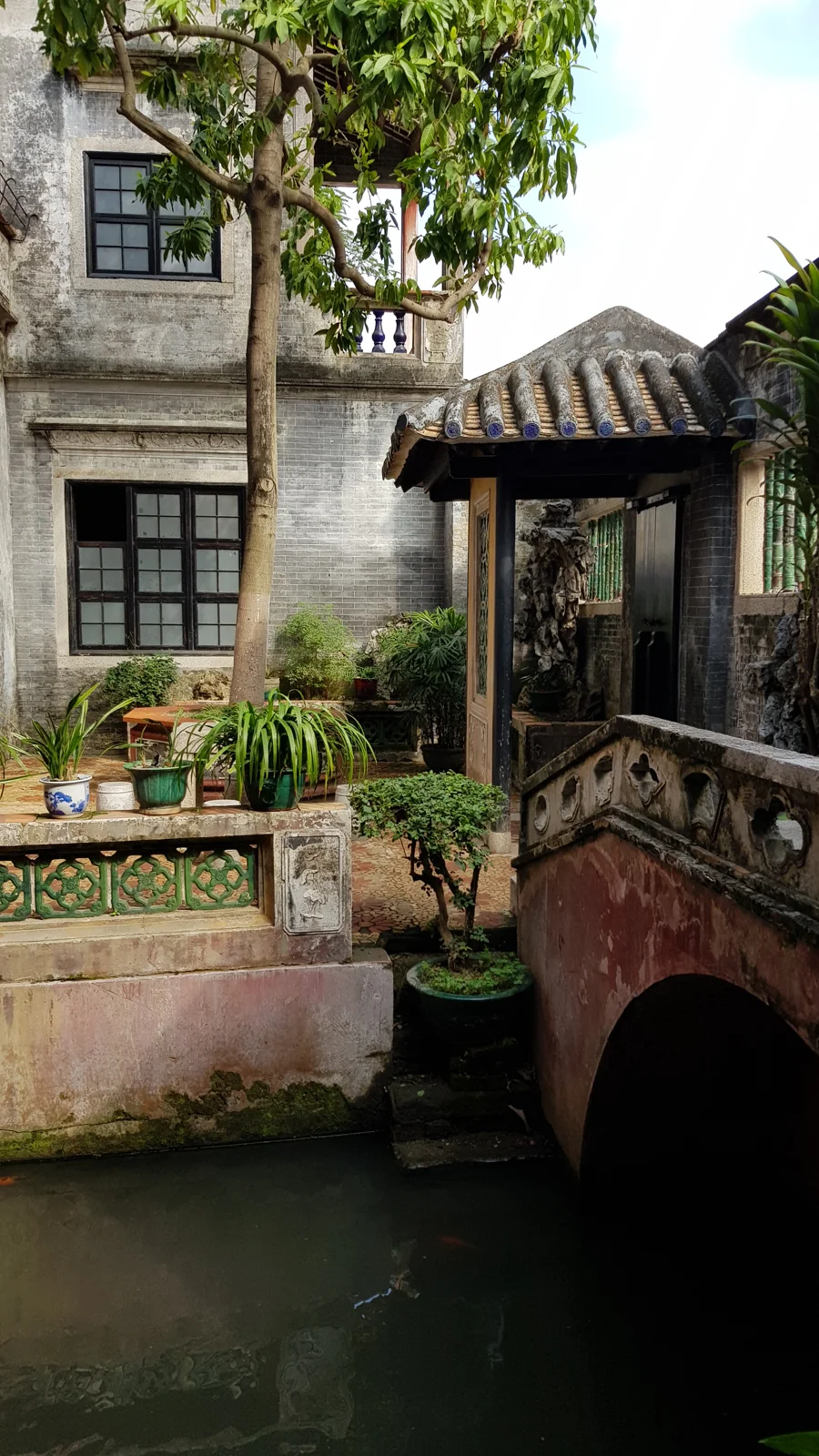
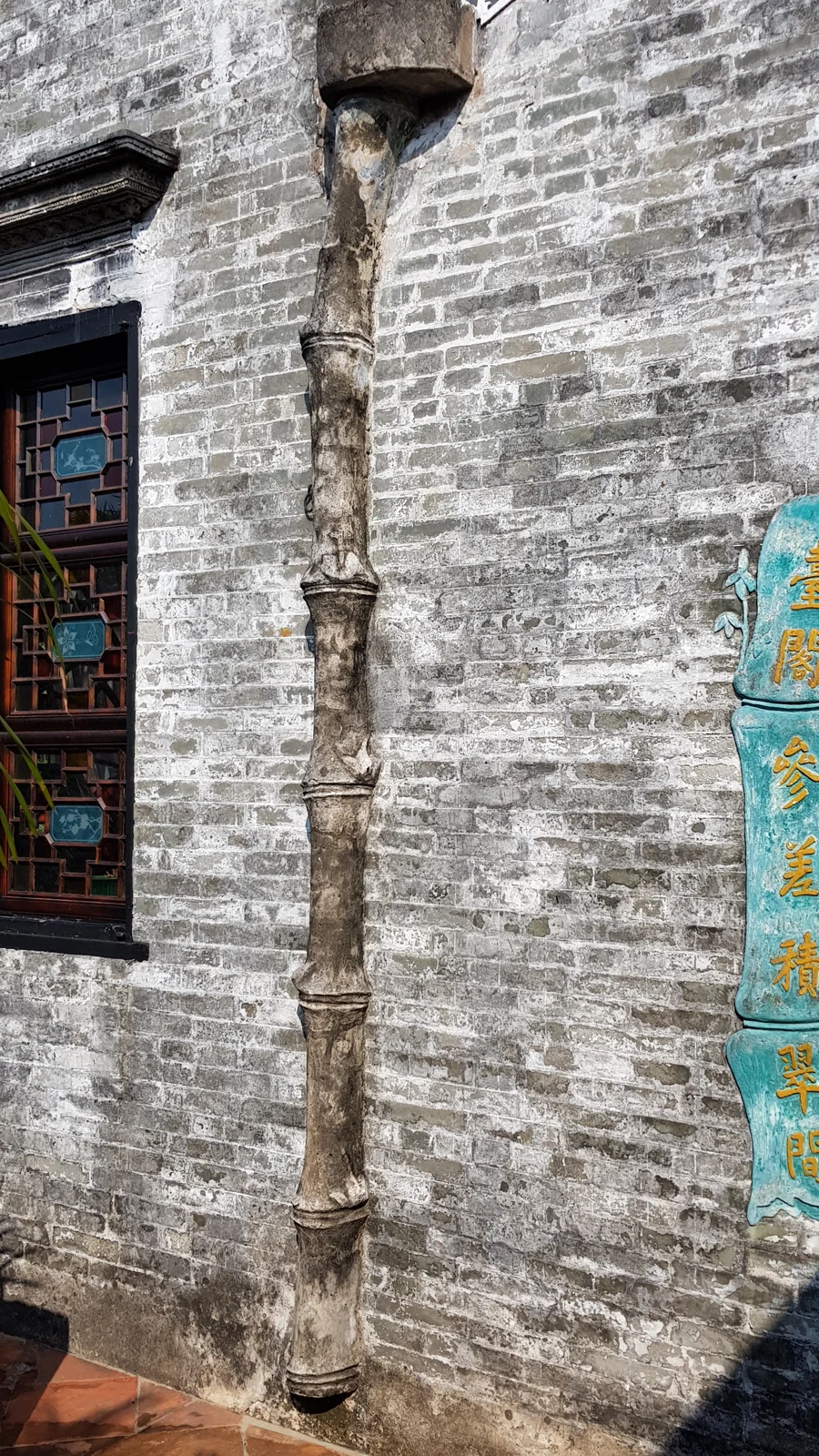
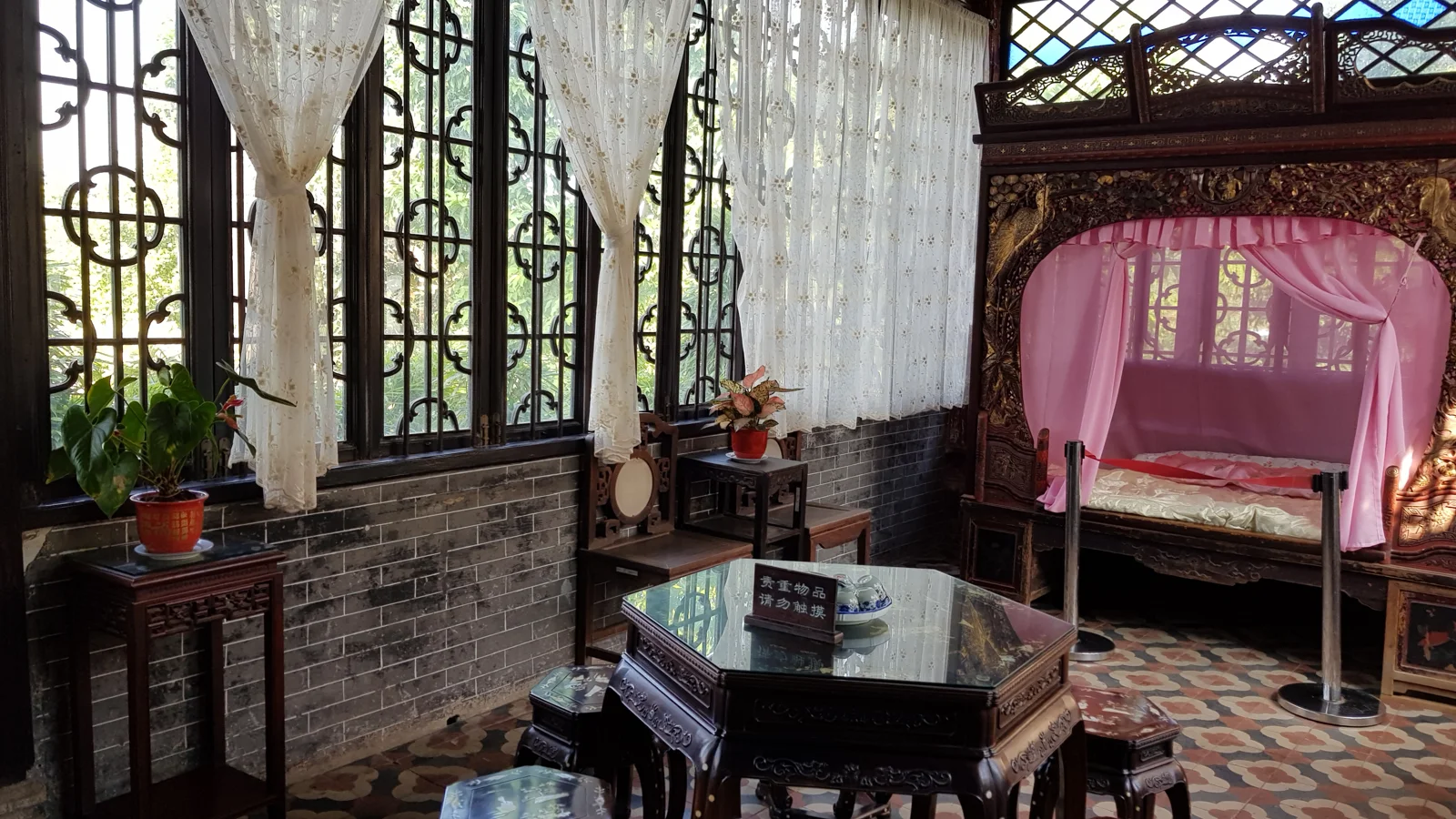
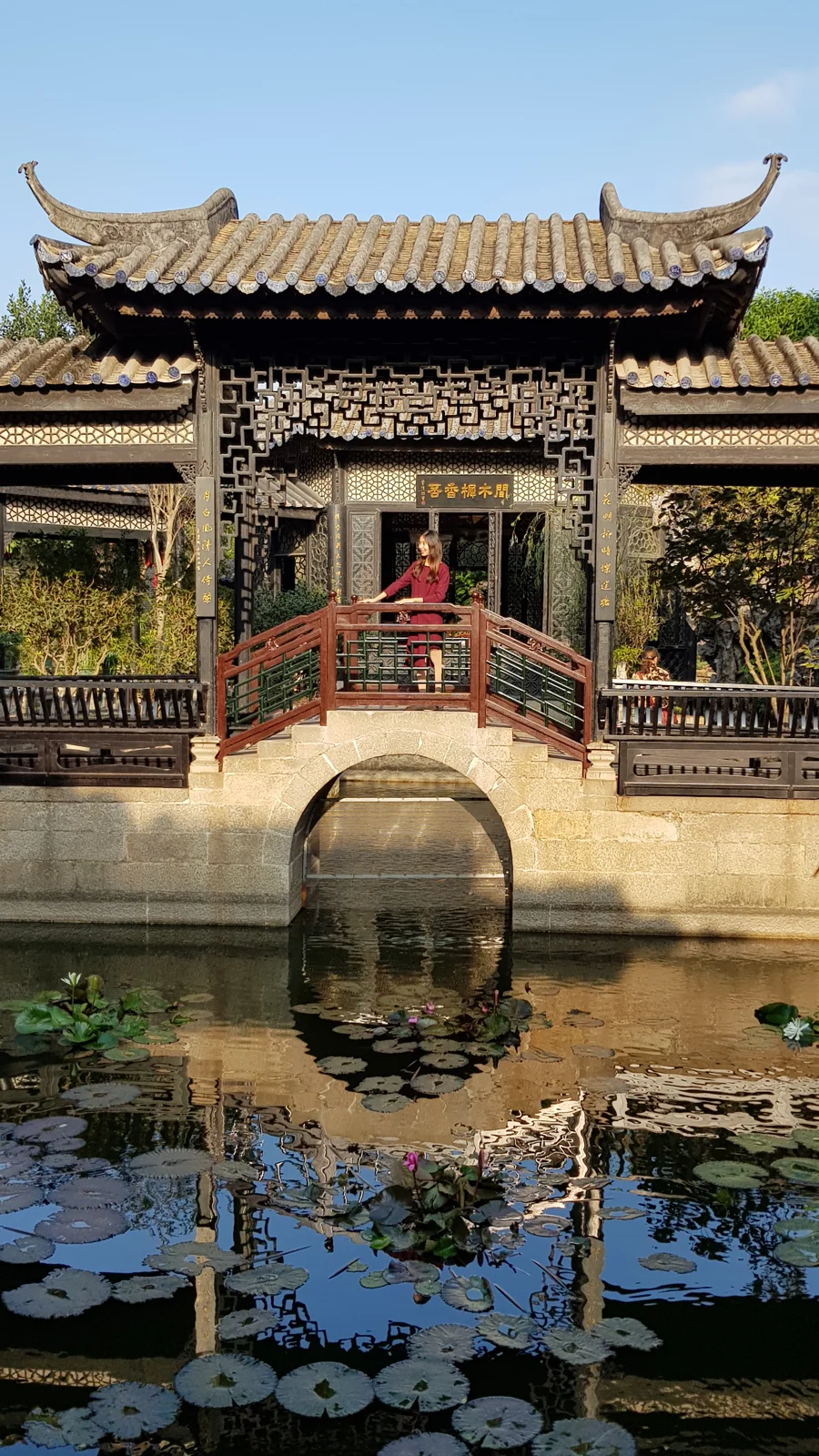
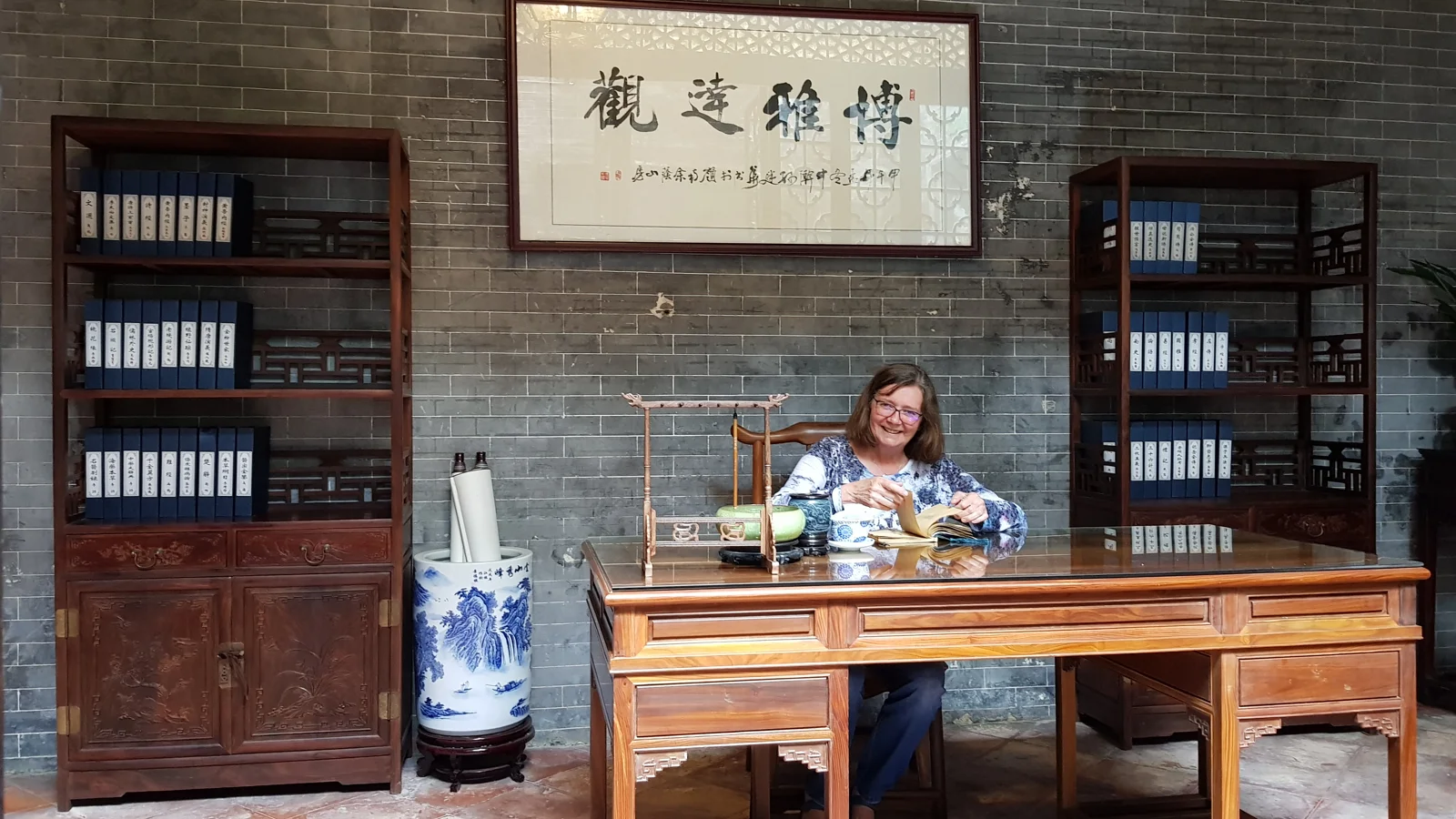
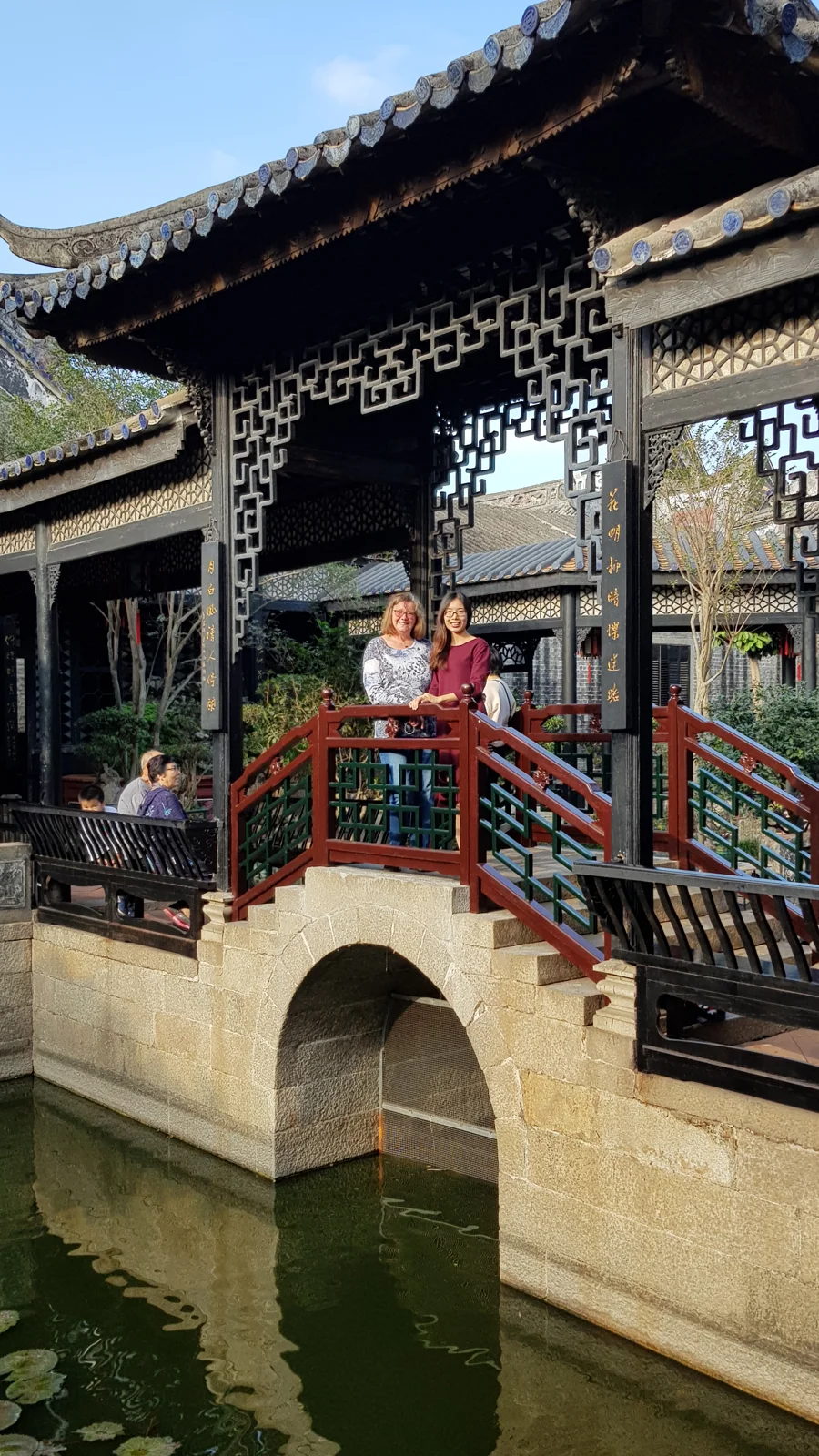
Yuyin Shanfang, one of the Four Great Gardens of Guangdong, was built in 1867 during the Qing Dynasty.
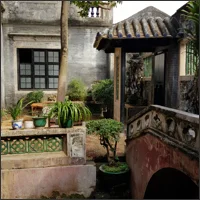
Every corner is carefully composed. Water, bridges, rockeries and pavilions blend together beautifully.
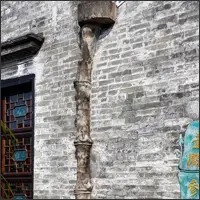
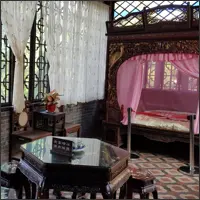
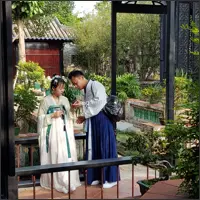
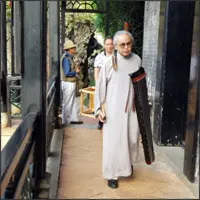
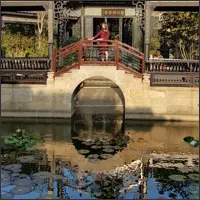
Looking for someone to take my photo, I found something much more valuable: a new friend. We spent the next two hours exploring the garden together.
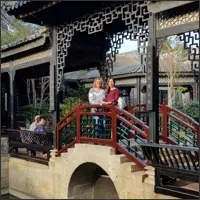
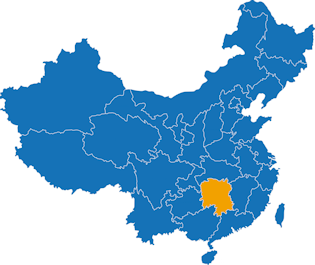
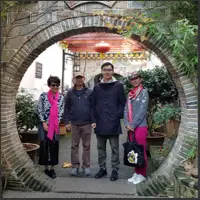
A few days only, but they could hardly have been richer or more memorable. My friends introduced me to relatives and other friends who generously opened their homes to me—and once again took me to places I would never have discovered on my own.
Visited: Yuelu Mountain — Juzizhou / Orange Isle — Shaping — Jinggang Ancient Town — Taohualing Park
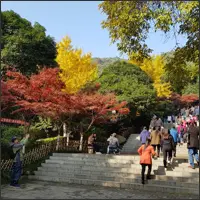
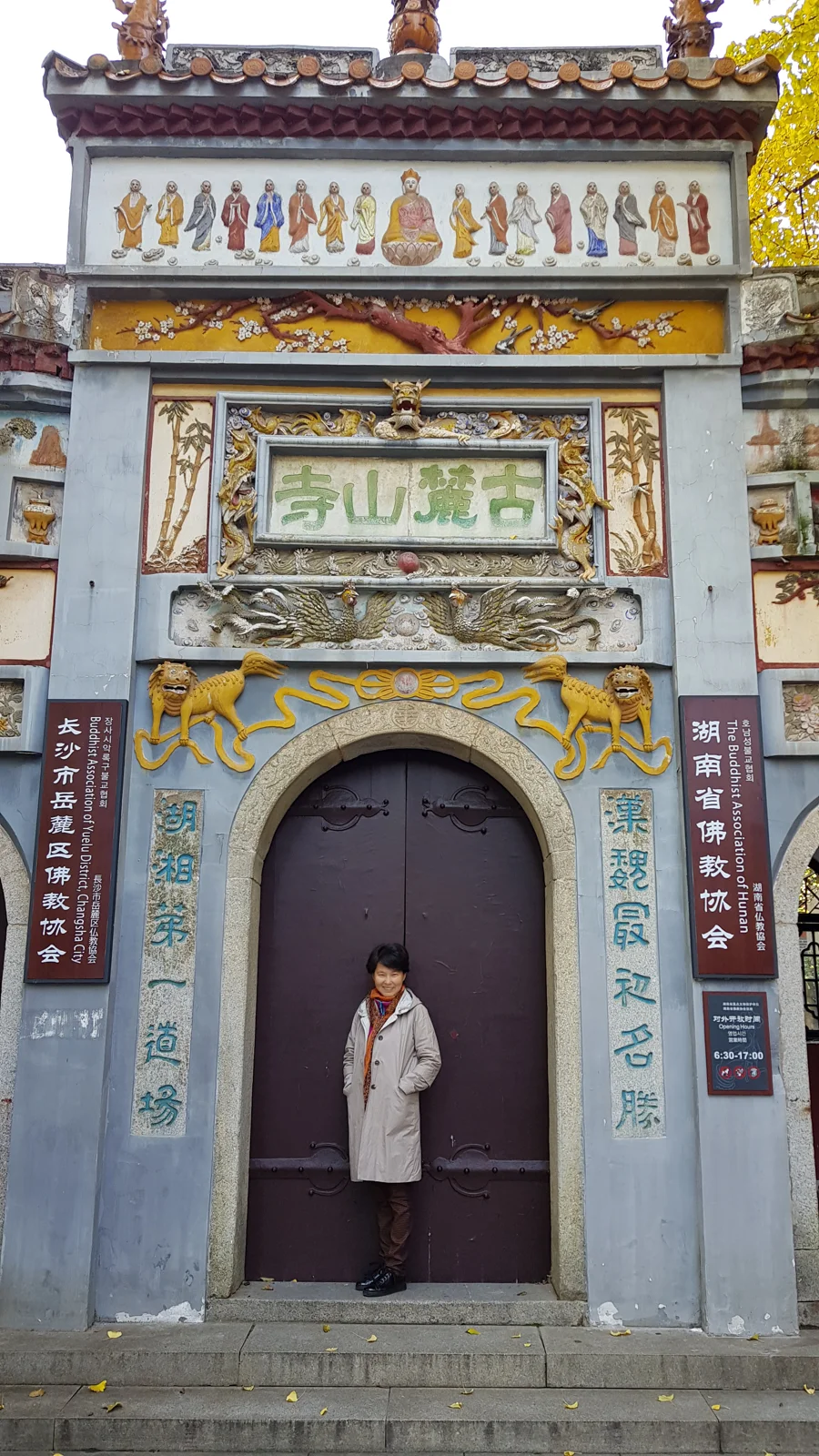
For centuries, Yuelu Mountain has been one of Hunan’s great centres of culture and learning. At its foot stands Yuelu Academy, founded in 976 and one of ancient China’s most celebrated academies.
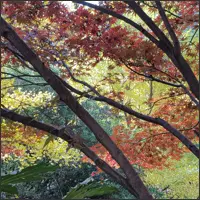
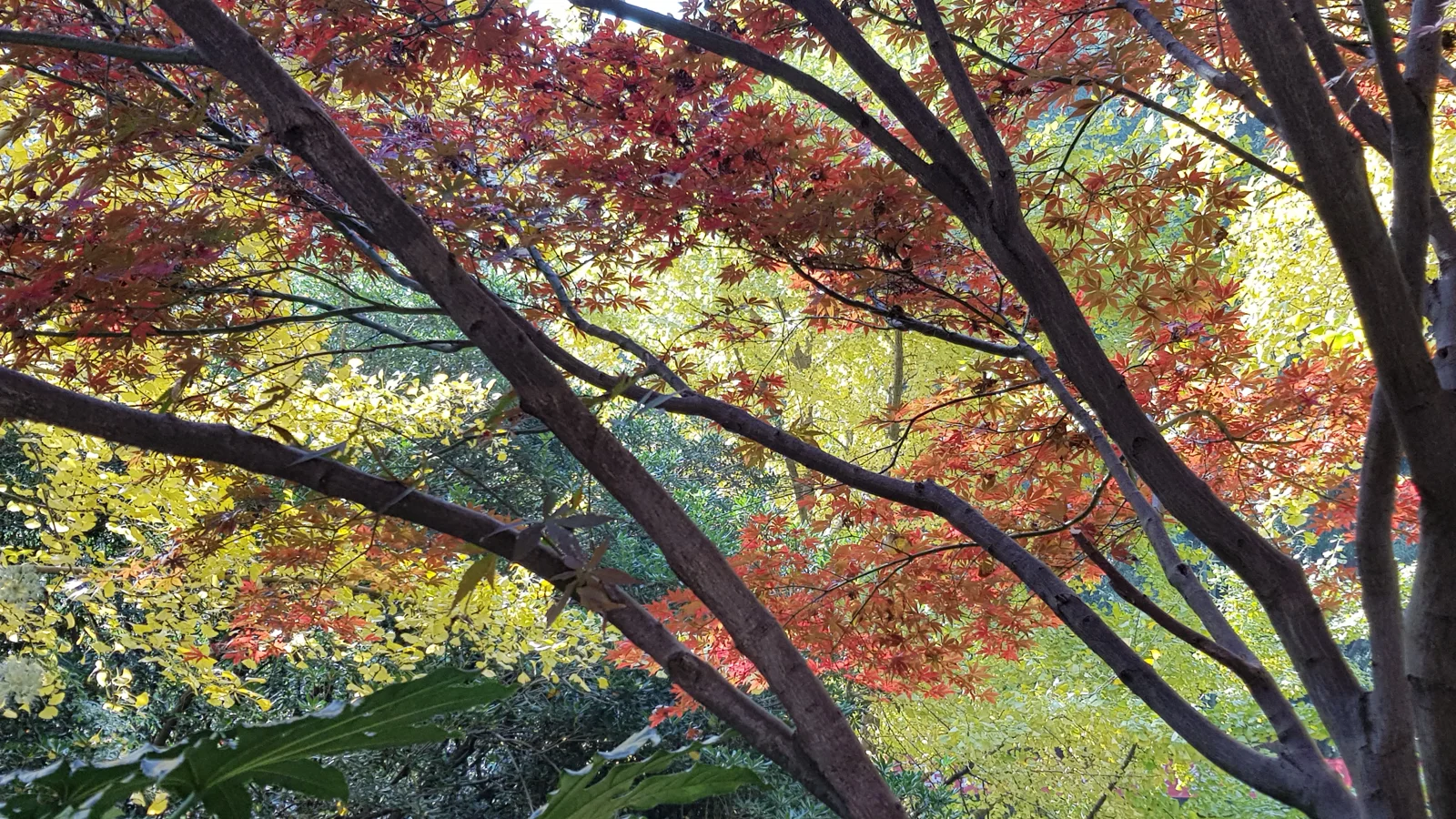
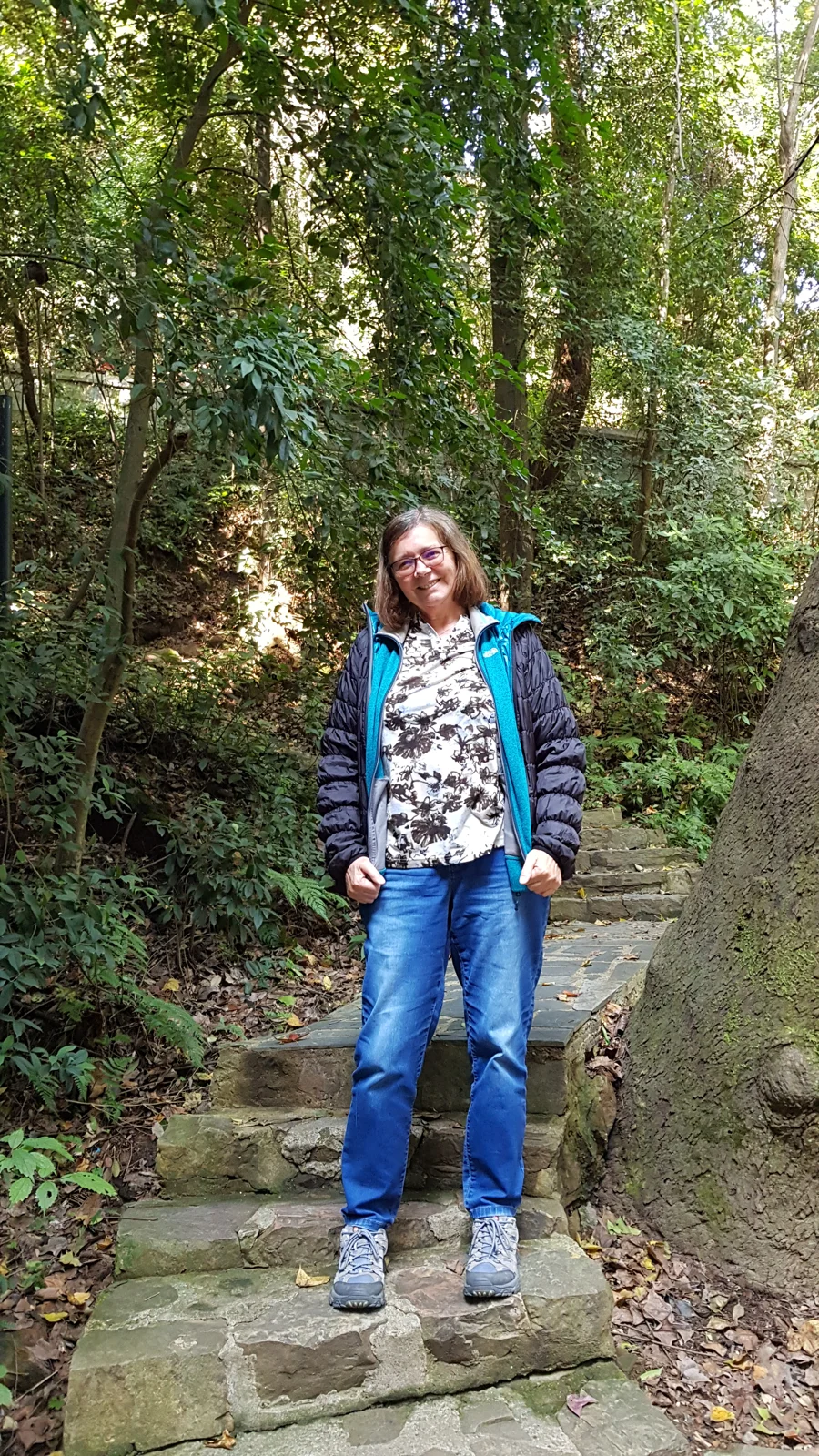
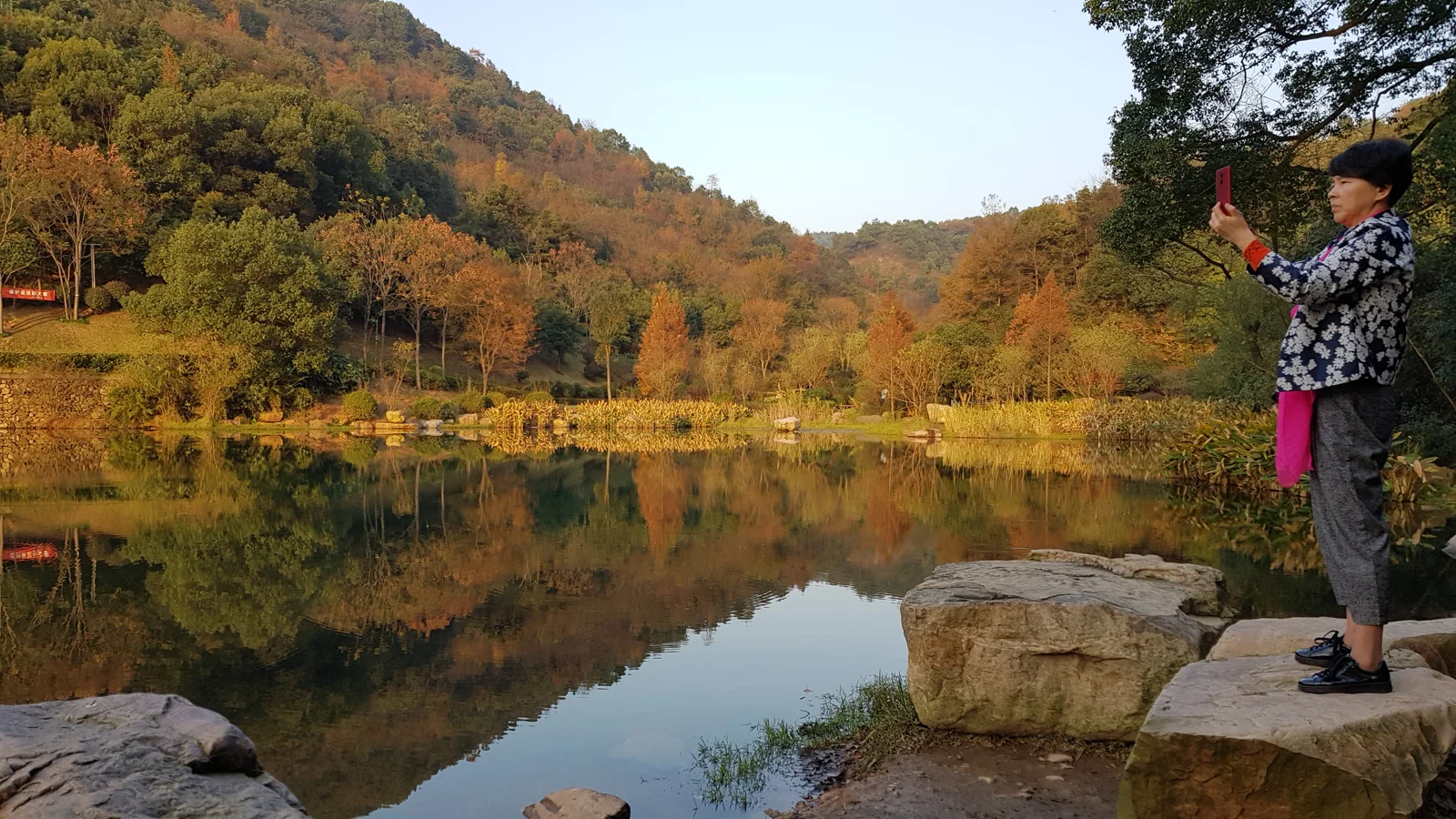
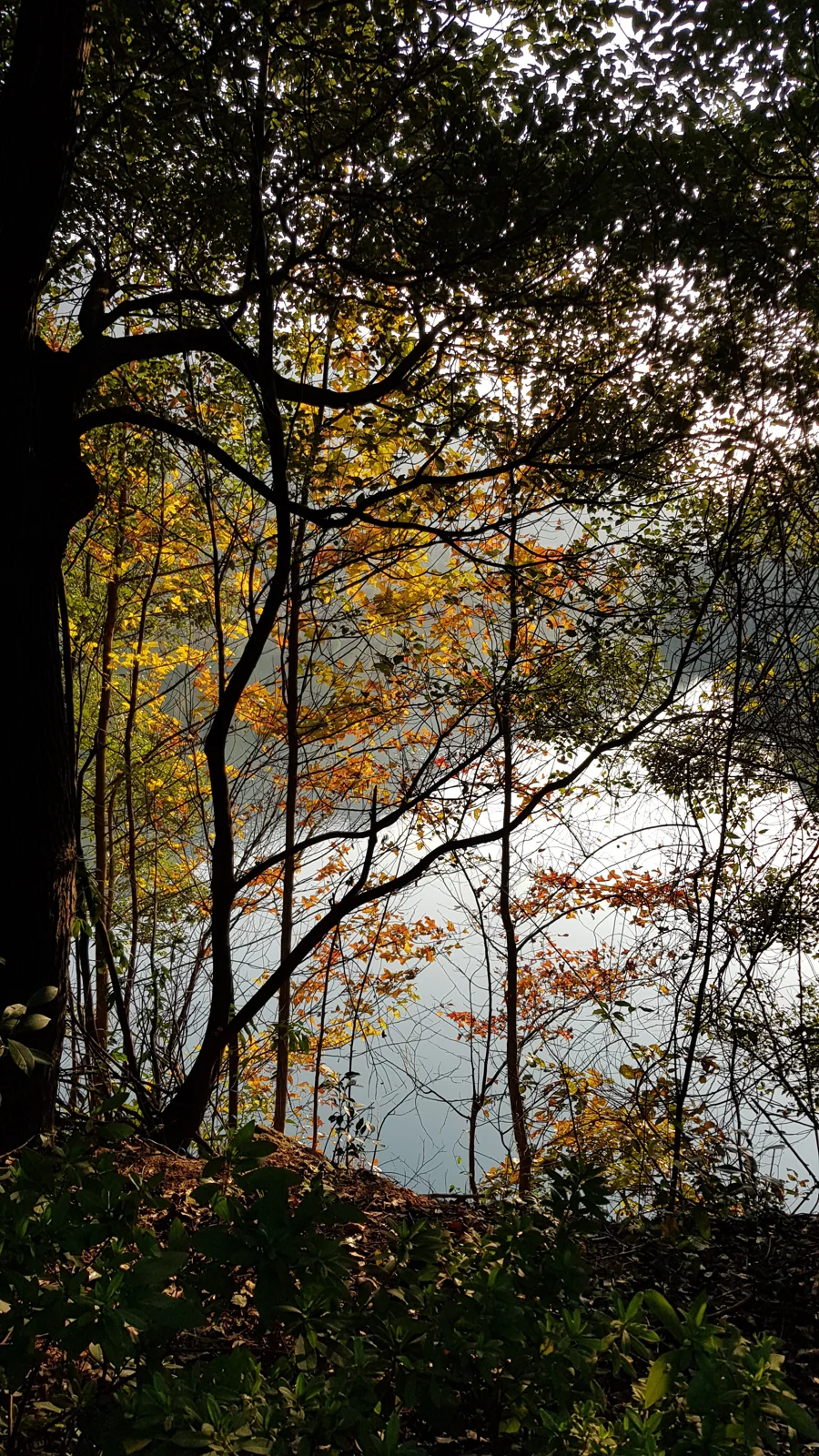
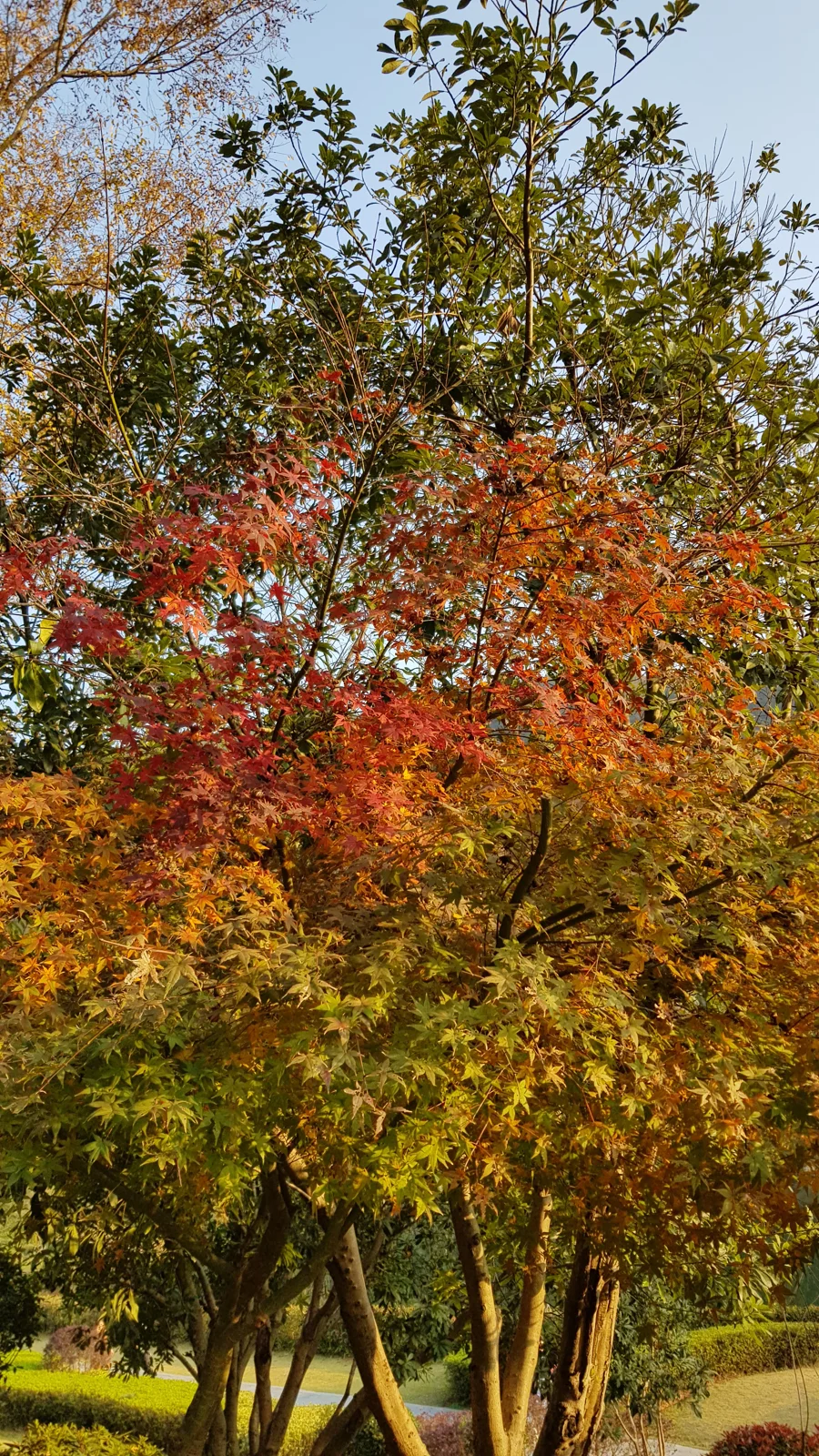
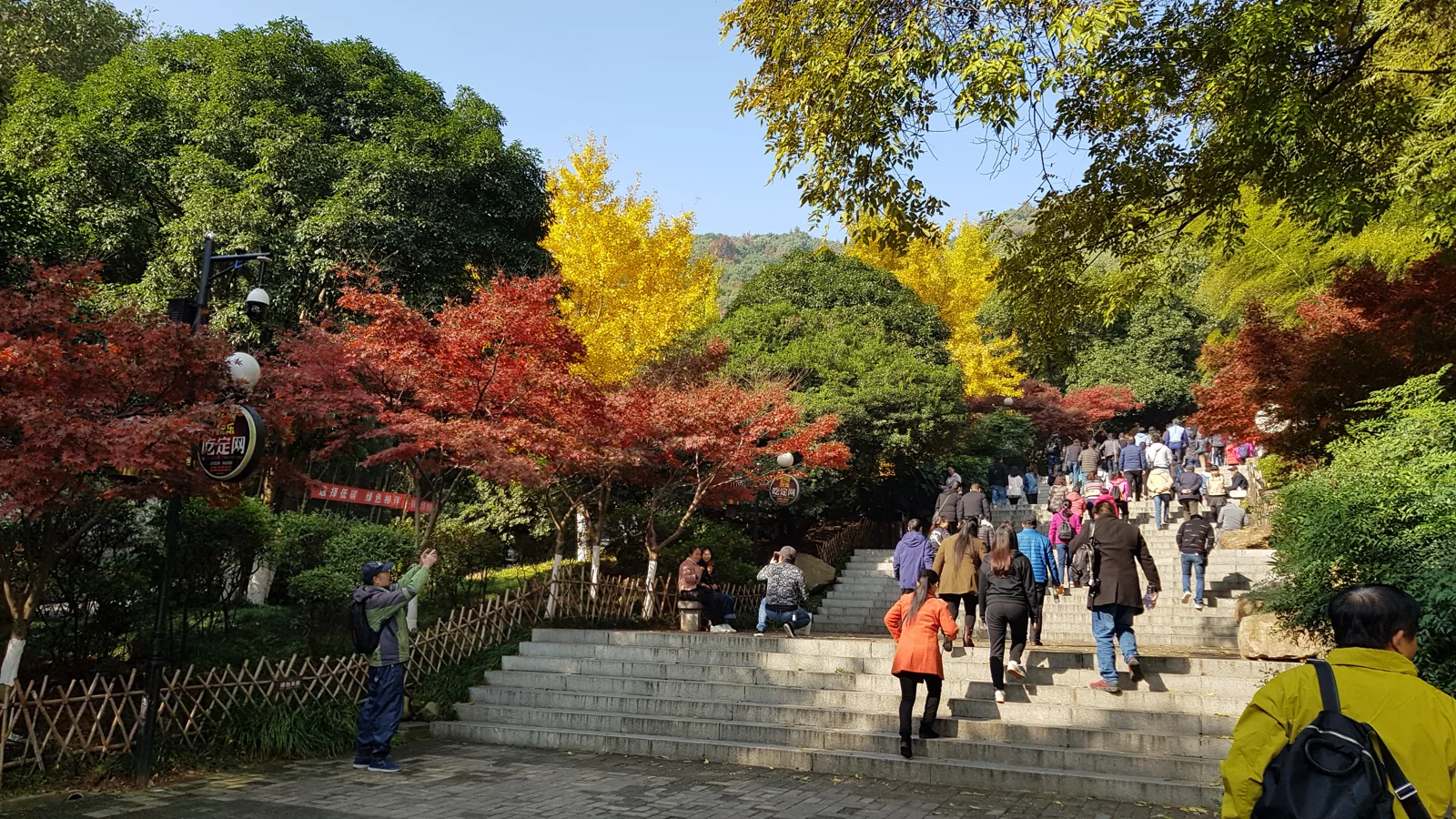
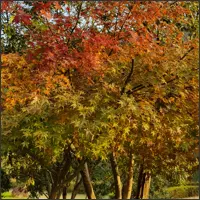
Temples, historic graves and the celebrated Aiwan Pavilion connect the mountain with Confucian scholarship, Buddhism and China’s revolutionary history. In autumn, the colours alone are worth the climb.
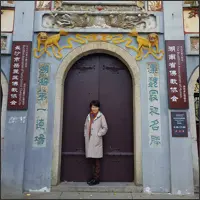

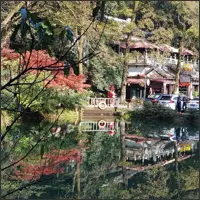
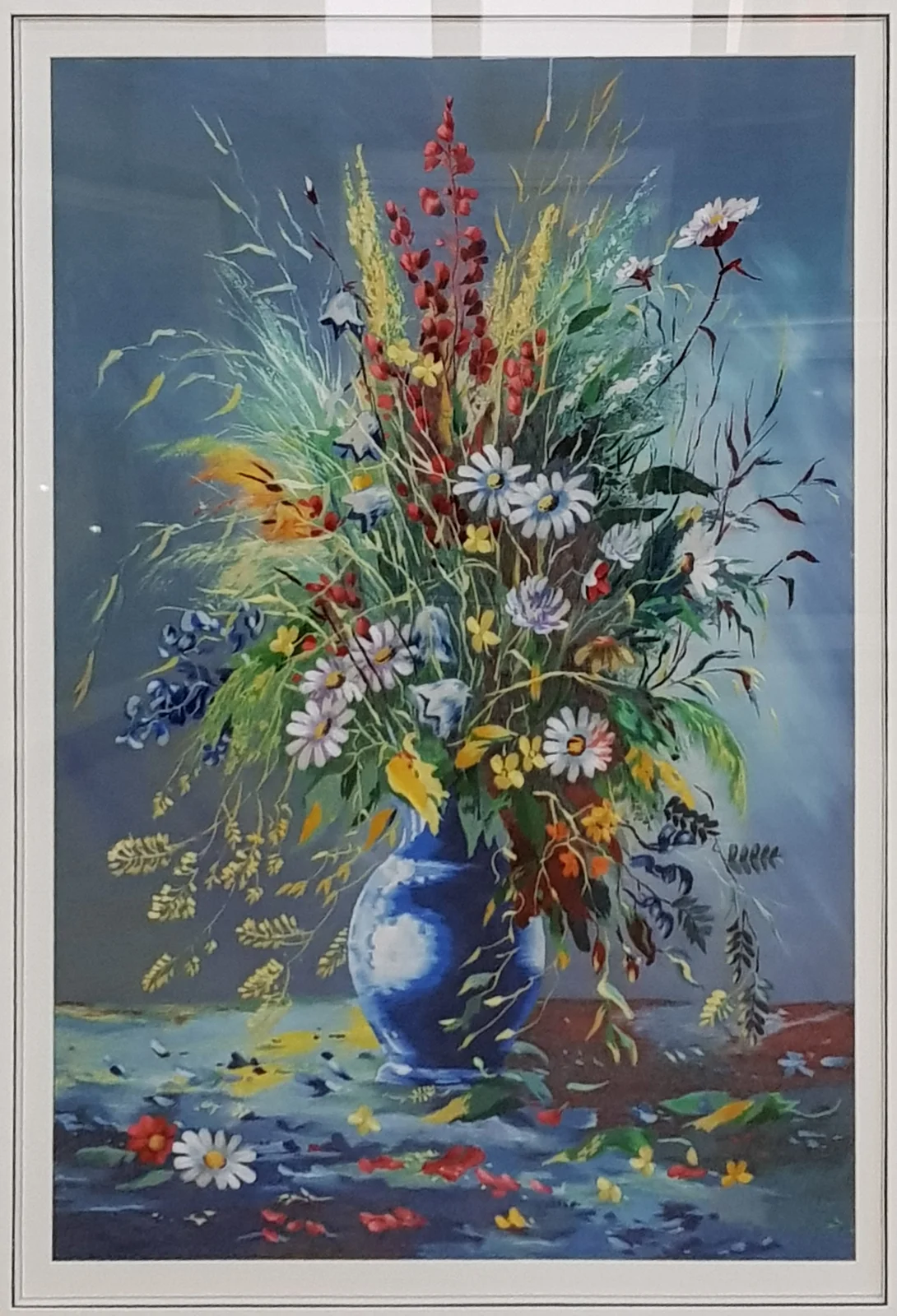
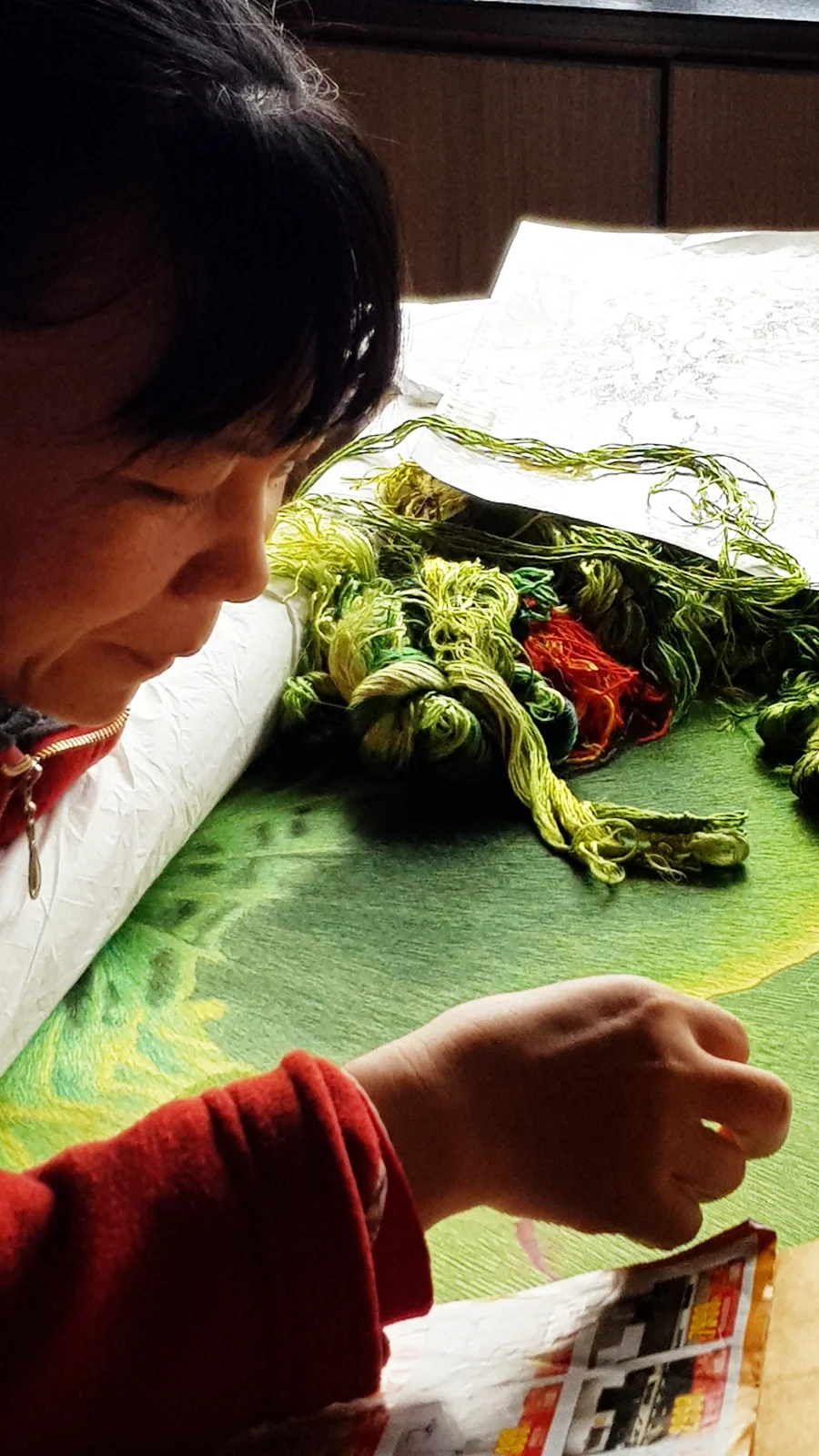
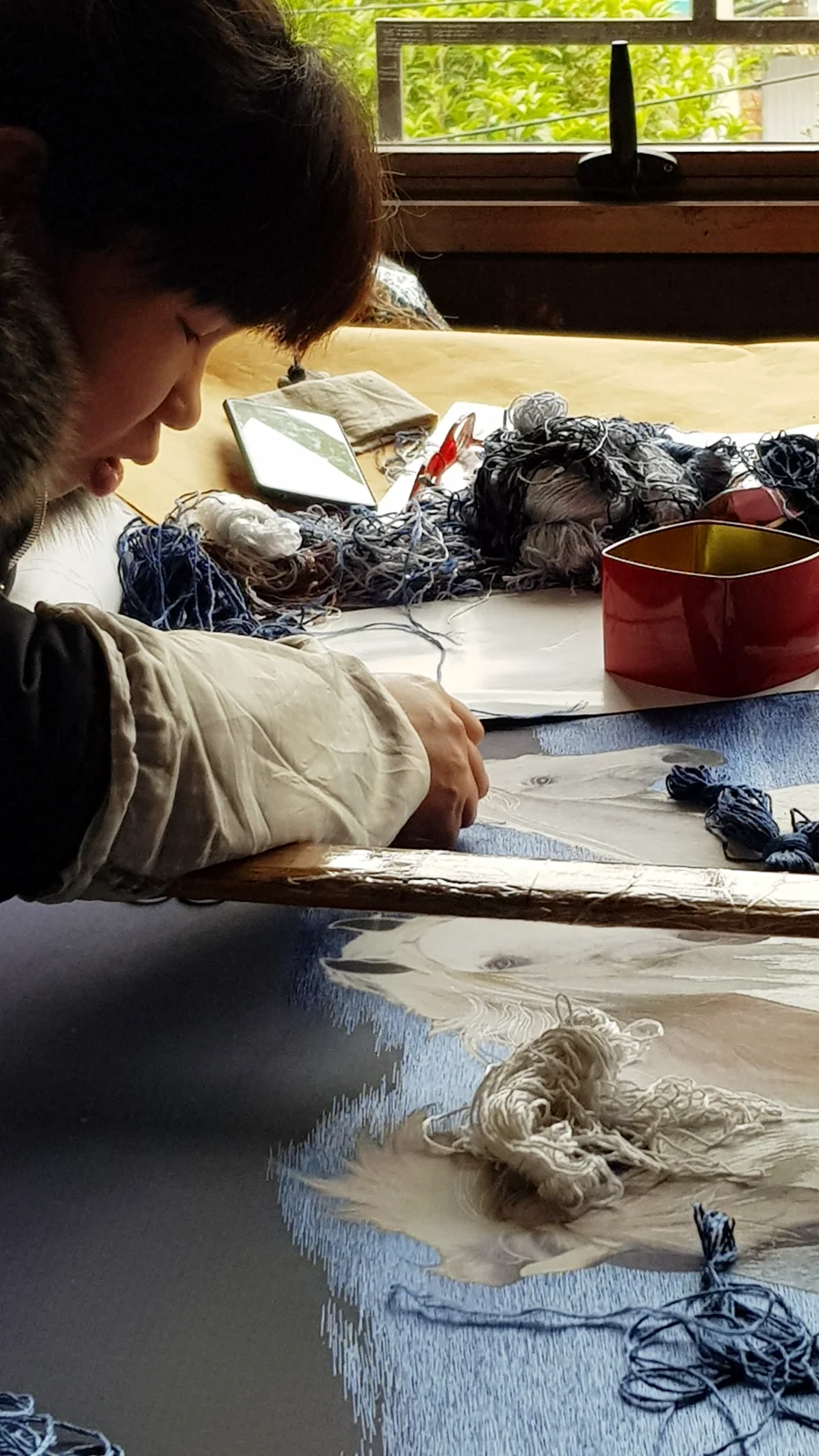
I’m not a crafter and barely know how to stitch a button back on. But I do know when I see something truly extraordinary—mind-blowing, even!
Proud to show me the very best Changsha had to offer, my friends took me to Shaping Xiang Embroidery Town. Shaping is regarded as the birthplace and traditional home of Xiang—or Hunan—embroidery, one of China’s Four Famous Embroideries, alongside the traditions of Suzhou, Sichuan and Guangdong.
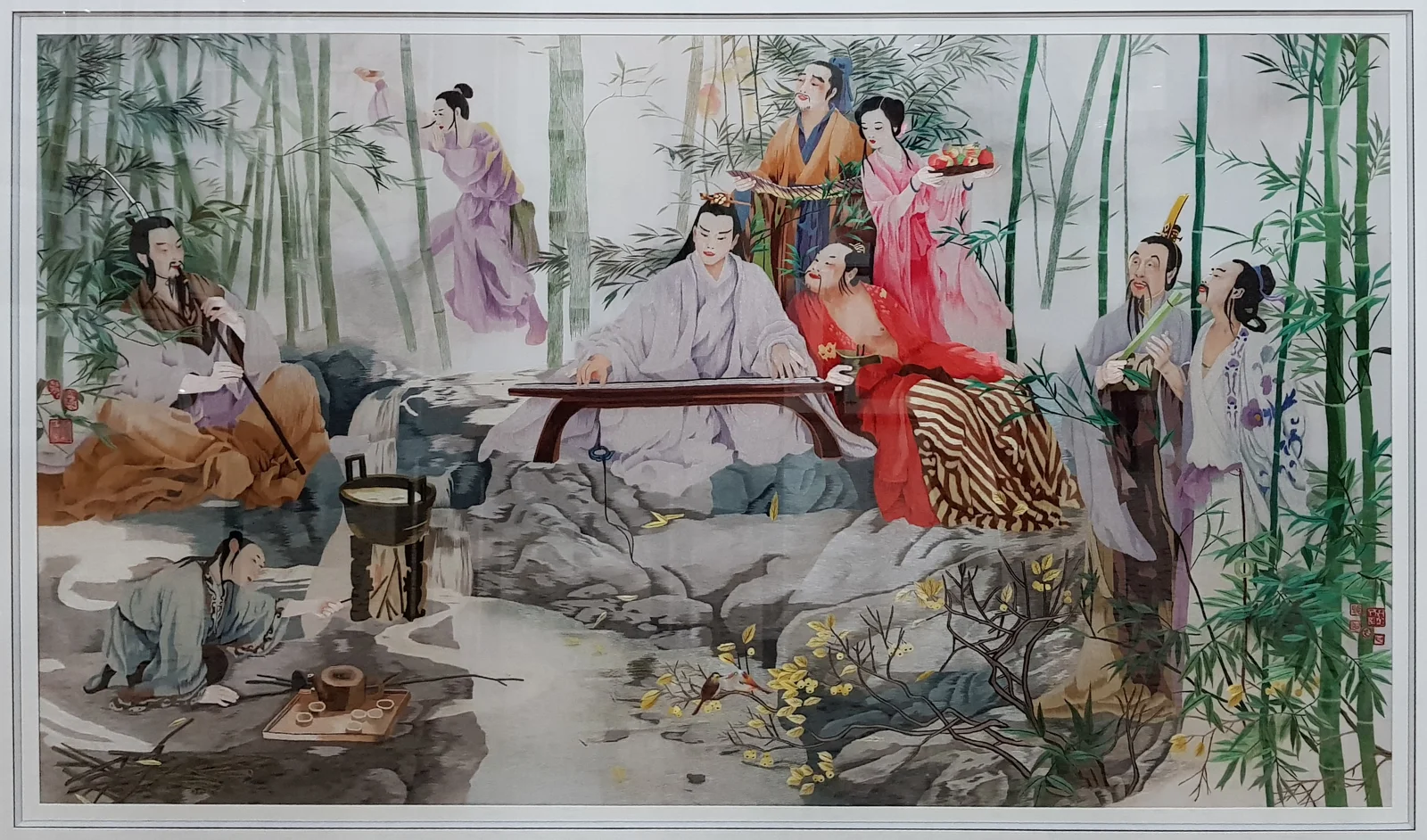
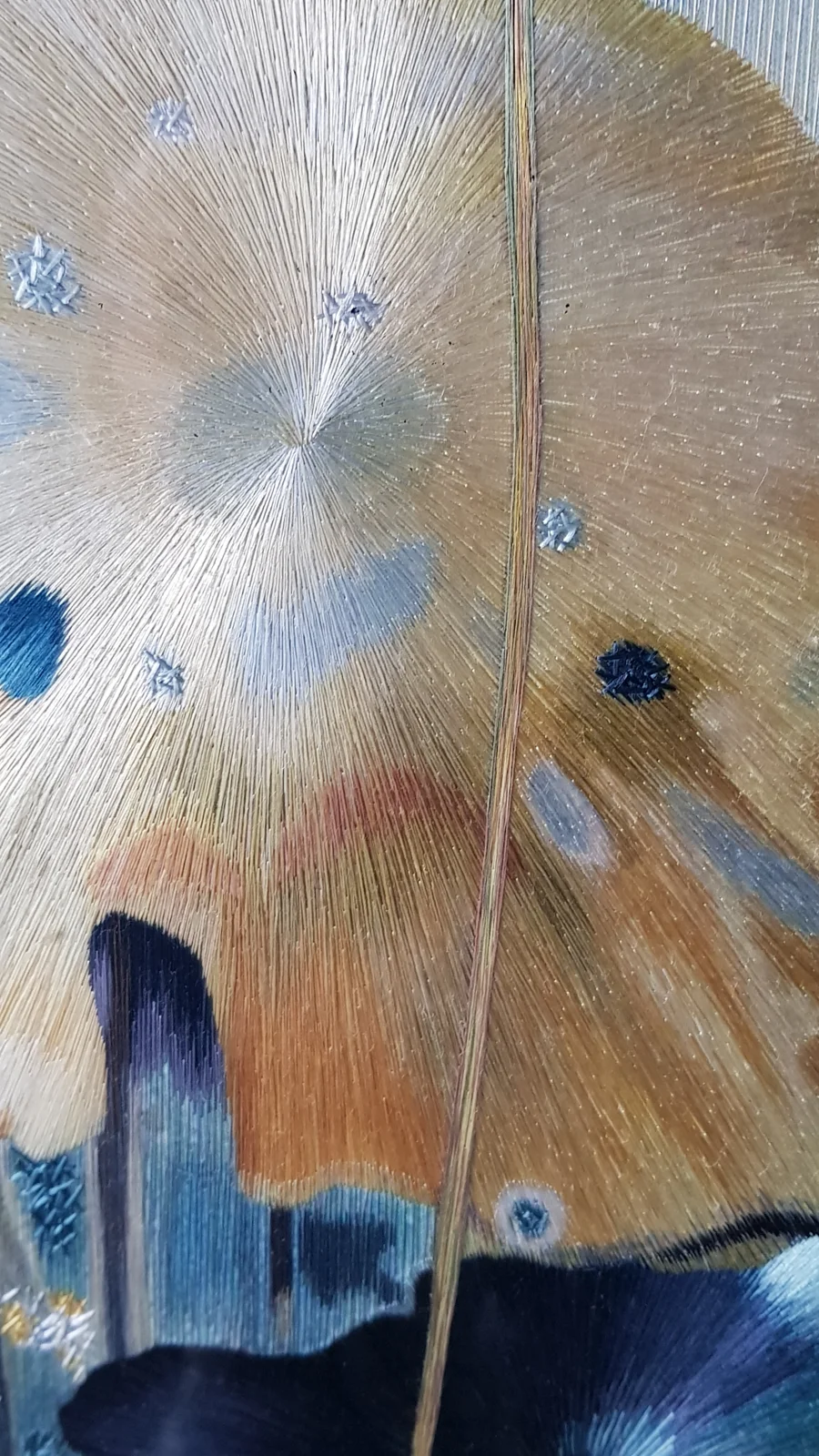
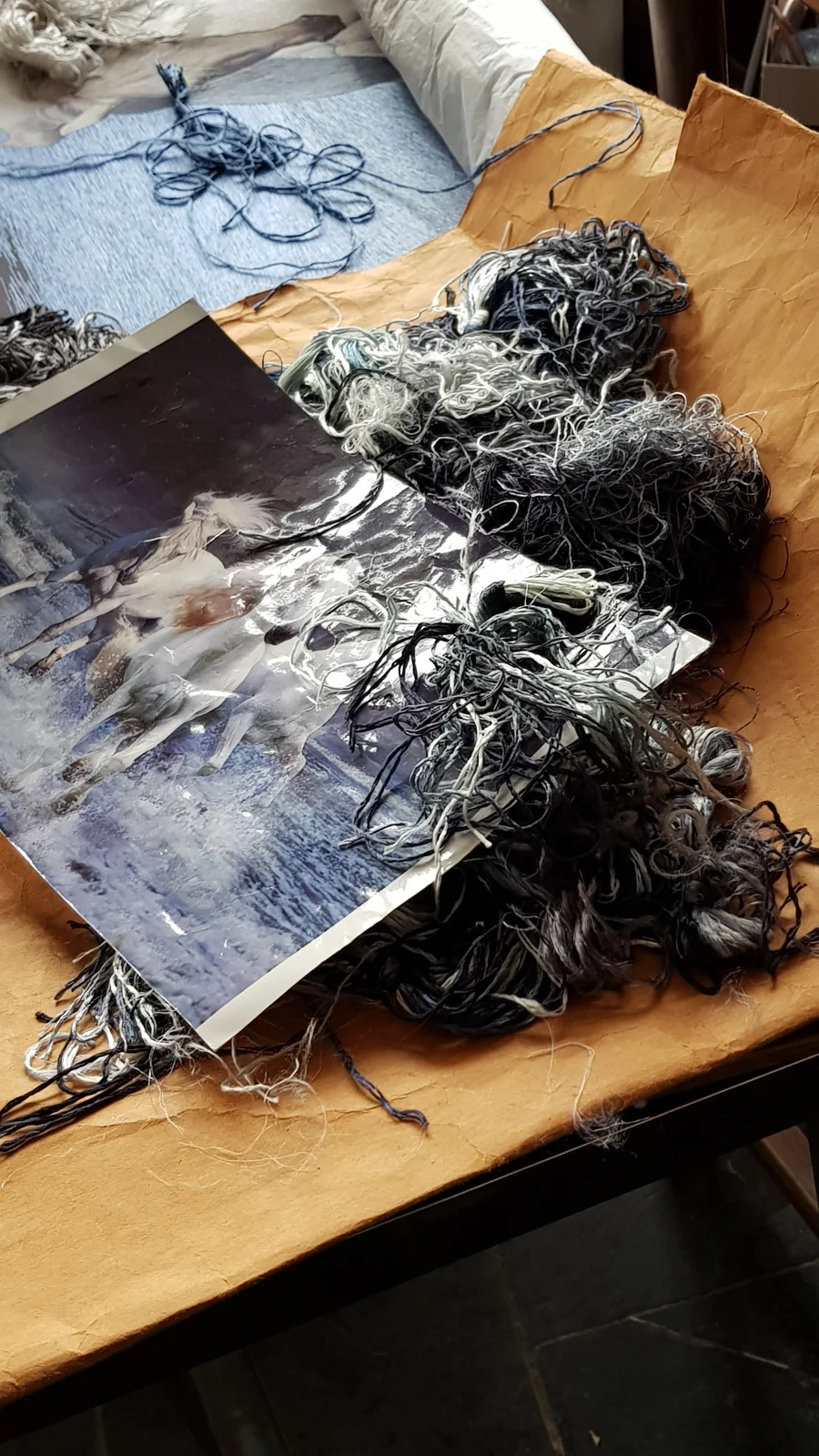
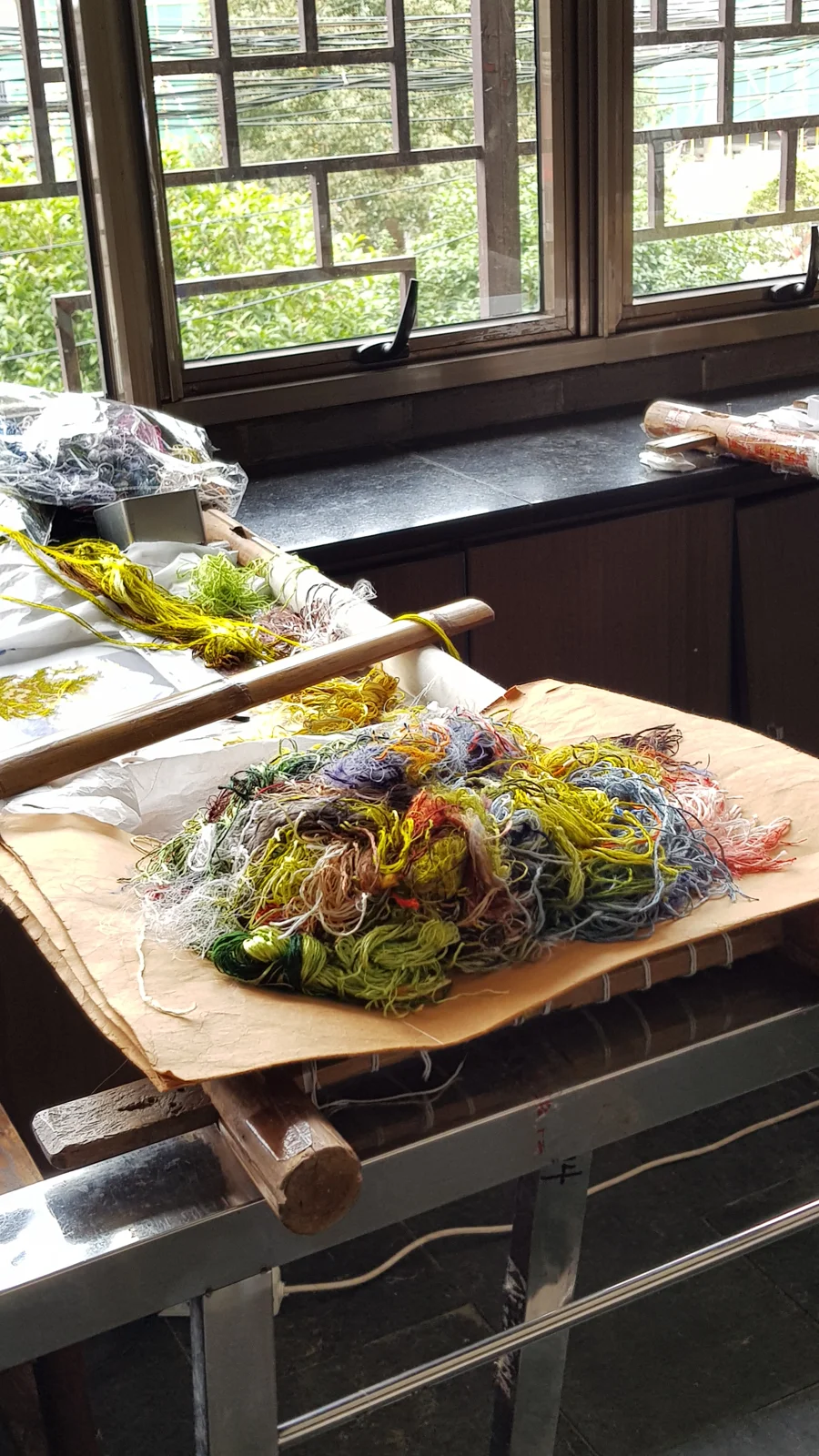
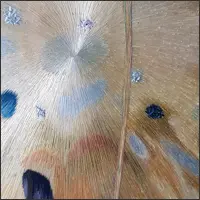
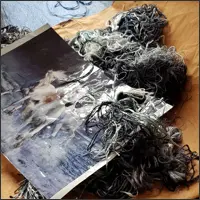
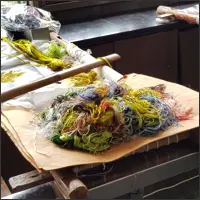
Its roots can be traced back more than 2,000 years. What distinguishes Xiang embroidery is its unusually painterly realism. Artisans vary the direction, density and colour of extremely fine silk threads to create shading, texture and an almost three-dimensional appearance. Animals are a particular strength—especially tigers, whose fur and expressions can appear remarkably lifelike. Portraits, landscapes, flowers and birds are also common. Some advanced works are embroidered on both sides, occasionally with different colours or even entirely different images on each side.
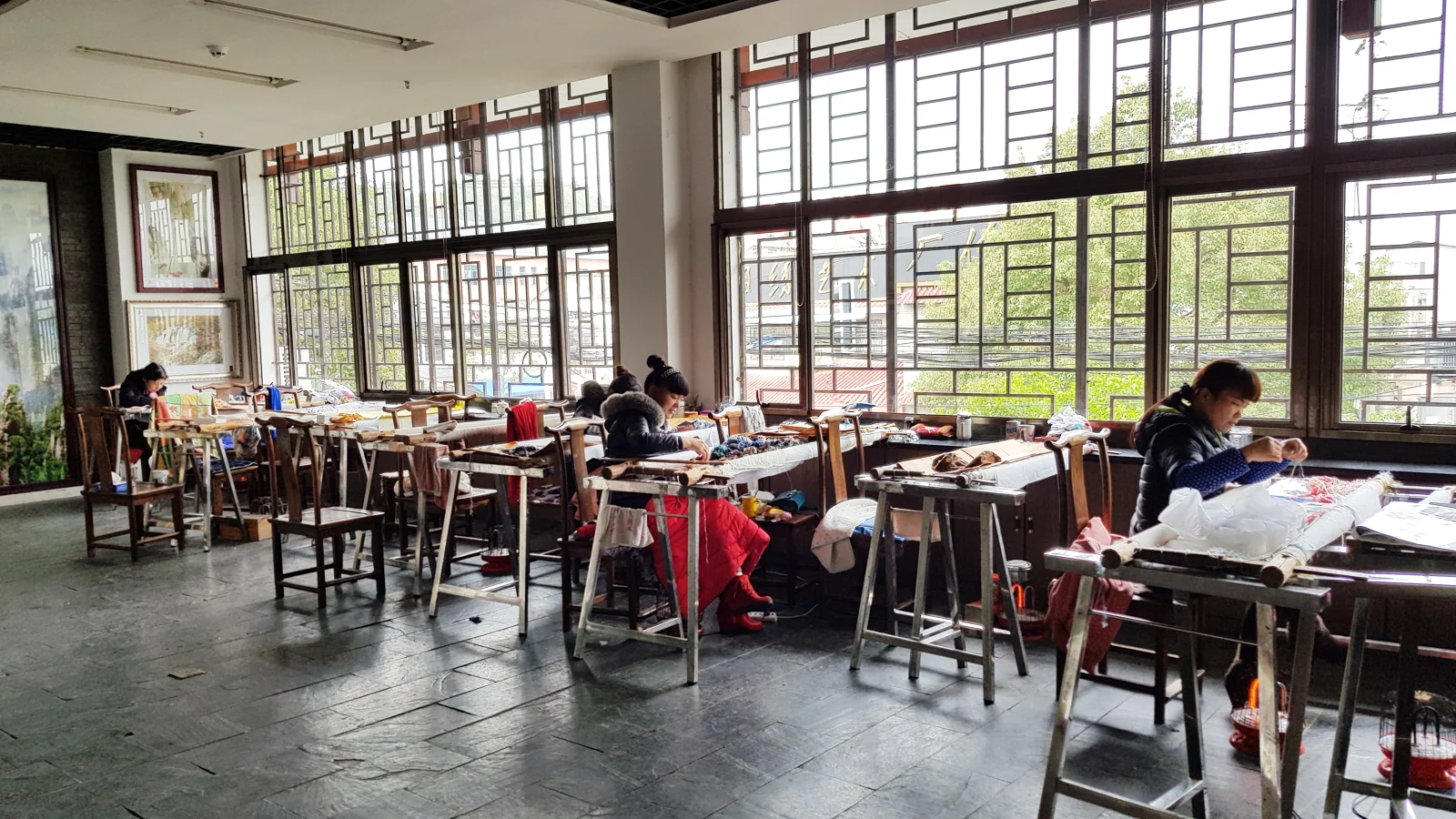
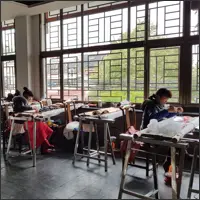
Shaping is not simply a museum location. It developed as a community of embroidery workshops and artisans, with the craft traditionally practised by large numbers of local women.
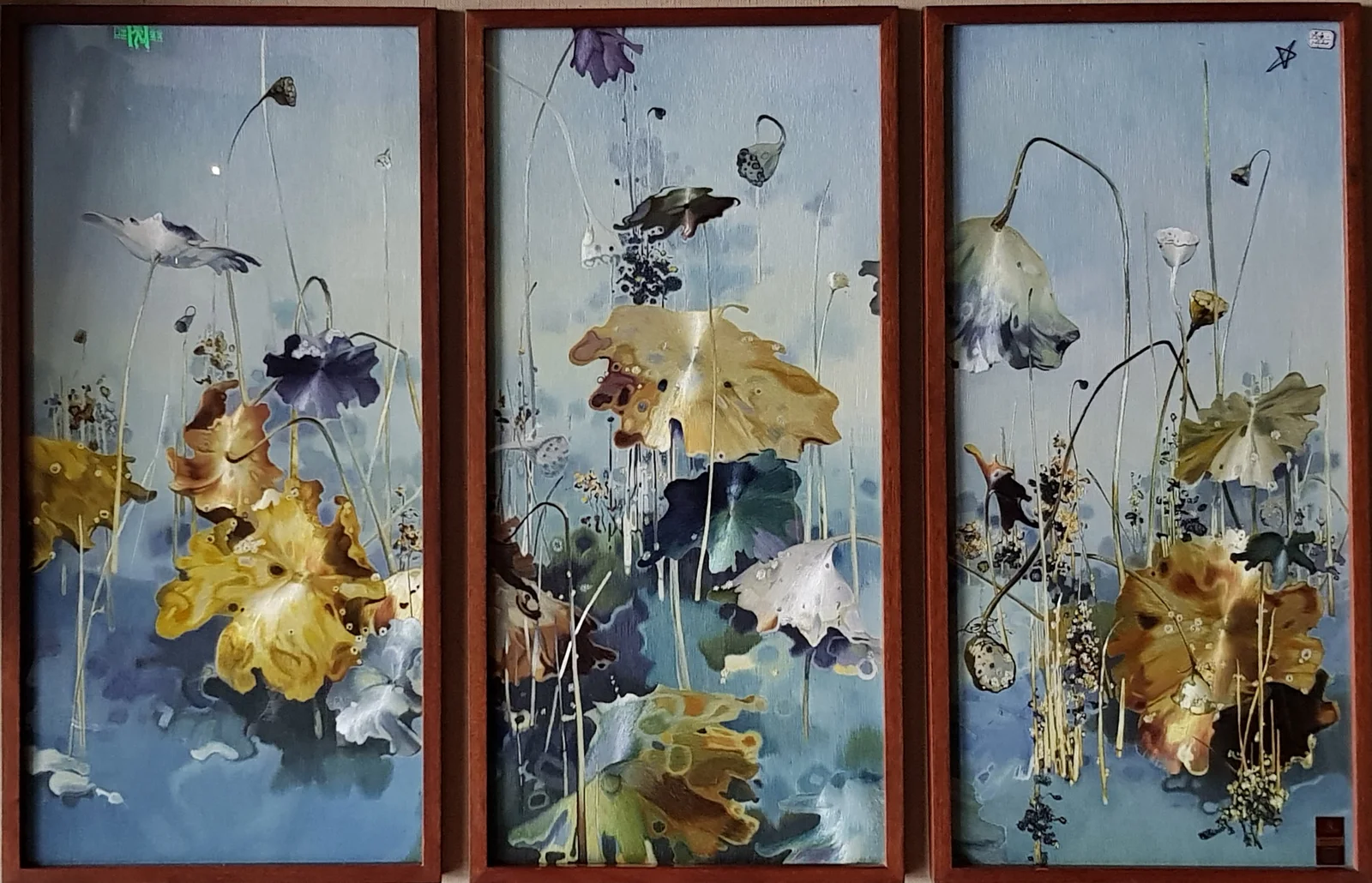
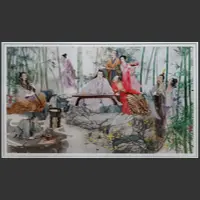
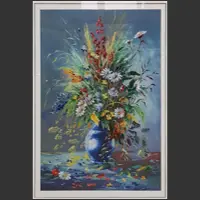
We spent hours—literally—admiring one masterpiece after another. The photographs below show only a few examples; I could easily have filled pages.
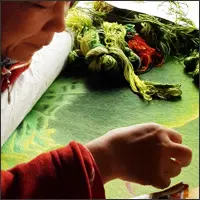
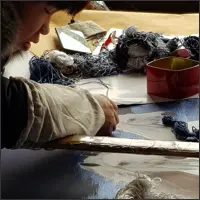
Watching the artisans bent over their frames gave me some sense of the concentration and precision involved. But I only fully understood the years of discipline behind their work when I later discovered an excellent article in The World of Chinese:
Dense Brocade: The Story of Hunan’s All-Female Embroiderers
Through the life of a Xiang embroiderer who began her apprenticeship at twelve, the article describes years spent mastering basic stitches, splitting silk threads, selecting colours and studying Chinese painting. Apprentices might work for three years before completing their first piece and wait five to ten years before being permitted to embroider animals or people. Even then, mastery remains the work of a lifetime.
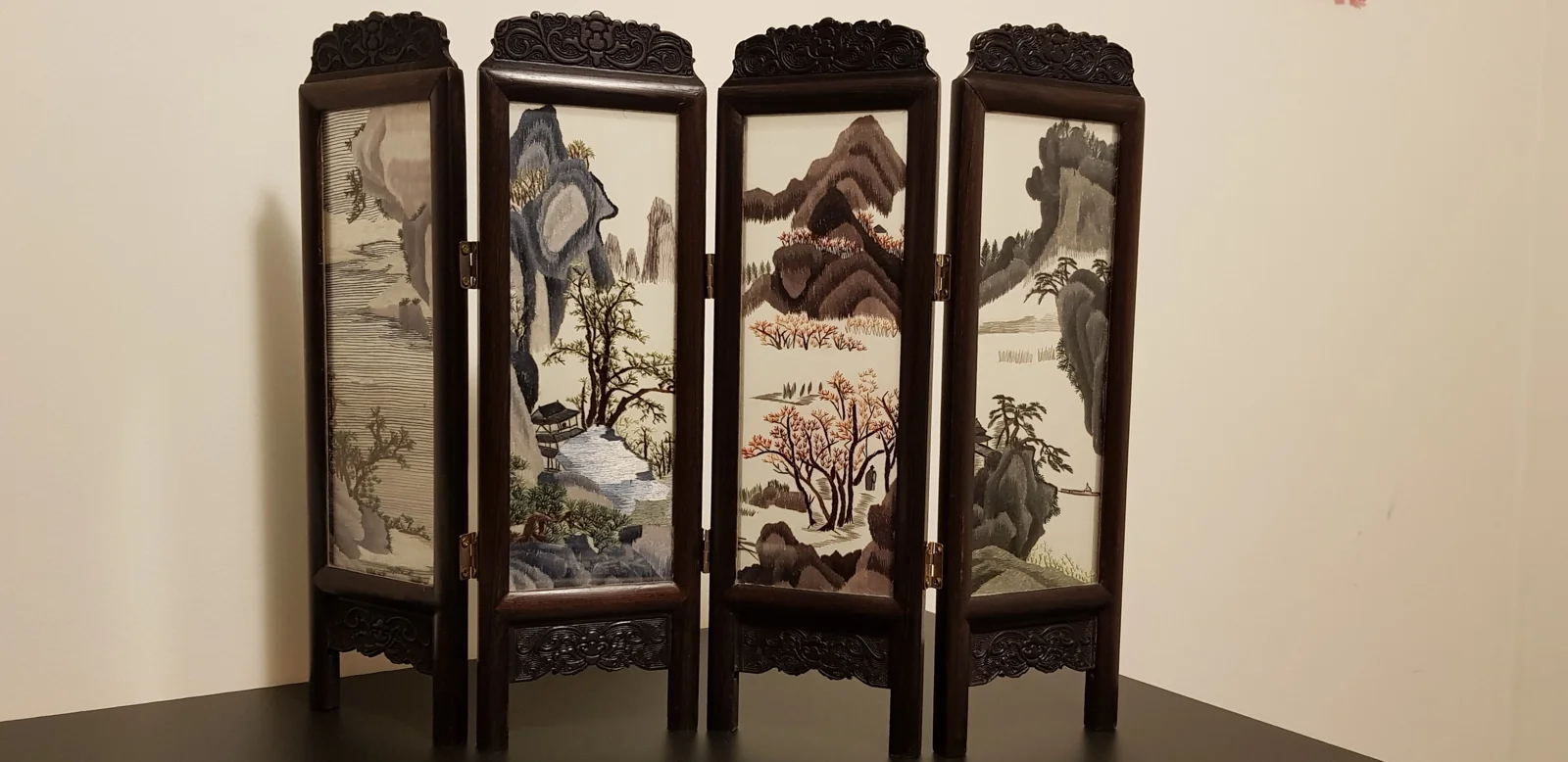
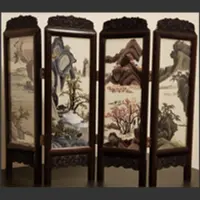
I brought home a small four-panel screen depicting traditional mountain scenes. Handmade and meticulously crafted, it is virtually indistinguishable from front and back. It may be modest in size compared with the masterpieces displayed in Shaping, but to me, it is the most beautiful piece of art I own.
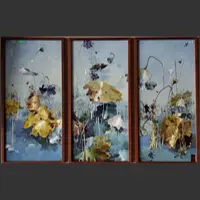
After the flowers have gone: an autumn lotus pond of fading leaves, bare stems and seedpods—finding beauty in the season of decline.
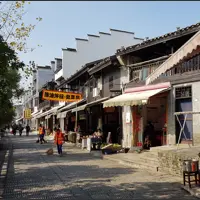
Once a prosperous river port, Jinggang is now a place for leisurely strolls through old streets—and, in our case, lunch.
At the beginning of my Adventure China, sometime around 2010, I discovered an entirely new—to me—form of entertainment: Chinese television dramas. I was hooked almost instantly.
I could pretend that watching them is all about language learning, but that wouldn’t be honest. Contemporary dramas can reveal a great deal about everyday life and culture, both essential for anyone hoping to understand China a little better. But the historical series—variously described as costume dramas, period dramas, palace dramas, wuxia, xianxia, and historical fantasy—often have little educational value. I watch them simply for the pleasure of being transported into worlds far removed from reality. And sometimes, that is just good for the soul.
Wuxia dramas let us follow heroes whose martial-arts abilities are unbelievable in the truest sense of the word. Xianxia takes us into realms inhabited by immortals who have lived for thousands—if not tens of thousands—of years. Others are essentially fairy tales set amid imperial courts, lavish costumes, political intrigue, and complicated romances.
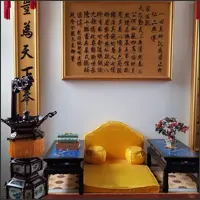
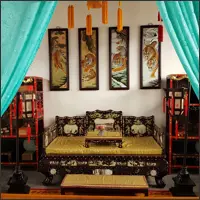
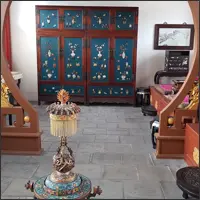
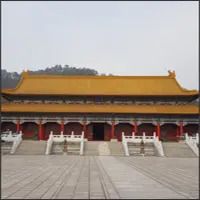
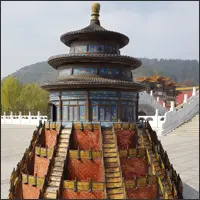
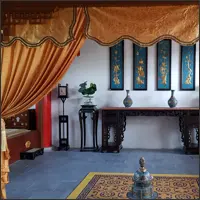
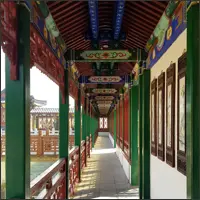
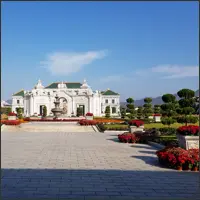
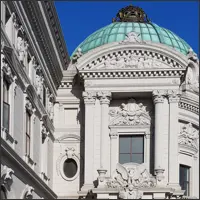
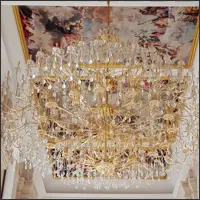
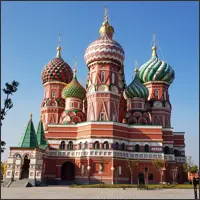
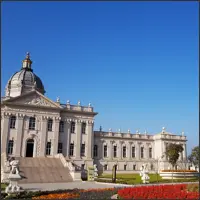
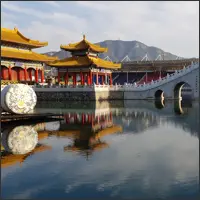
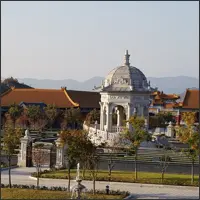
No wonder I had always wanted to visit Hengdian World Studios, often described as China’s answer to Hollywood. Countless movies and television series have been filmed at this vast, fully functioning production centre. I spent a day wandering through its seemingly endless sets, from imperial palaces to improbably European streets.
Many places are more enjoyable without huge crowds, but here it didn’t take me long to miss the atmosphere and liveliness that people bring. I had hoped to catch even a glimpse of a production—anything from a television drama to a simple commercial—but nothing was happening in the areas I visited. Without actors, extras, crews, or many other visitors, the elaborate sets felt strangely deserted.
From what I’ve read, Hengdian has changed considerably since my visit, with more performances, activities, and opportunities for visitors to become part of the action. Now that it is also easier to reach by high-speed train, perhaps I’ll return one day.
Visited: Yiwu — Hengdian World Studios

It was another unforgettable trip, with one highlight chasing the next. Now it was my very last day in China. Time to relax and wind down with a stroll around Hangzhou’s famous West Lake before the long trip home.
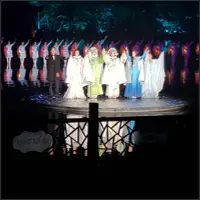
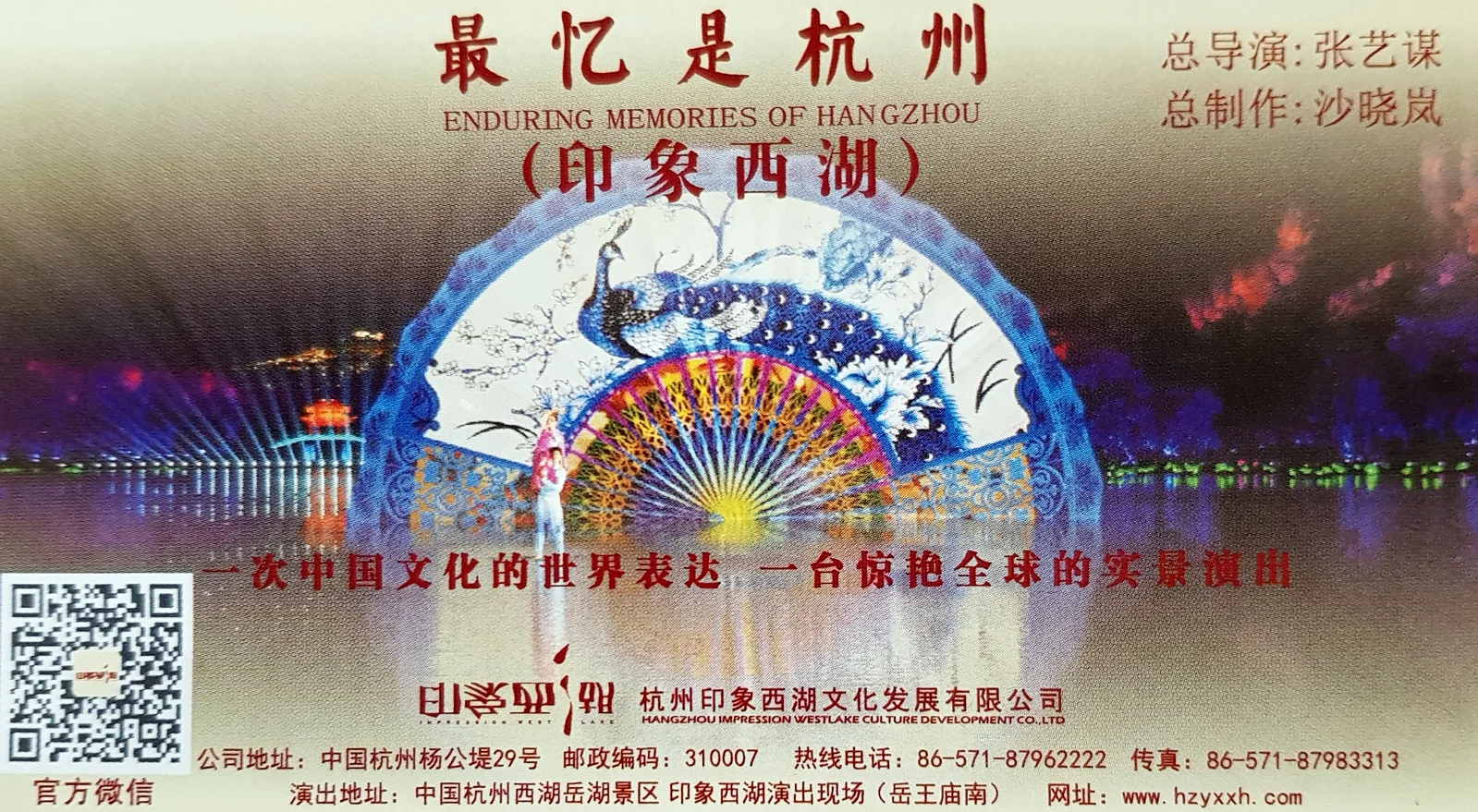
Not expecting anything in the slightest, I stopped at the ticket office for the world-famous Enduring Memories of Hangzhou show—and walked out with a front-row ticket for that very evening. It was the second time in China that I had snatched the very last—and best—seat at a sold-out performance. Luck, or one of the privileges of travelling solo? 😜 Honestly, I had to pinch myself to make sure I wasn’t dreaming! What a worthy grand finale to the trip!
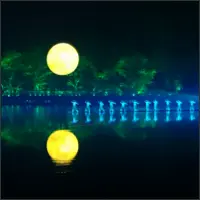
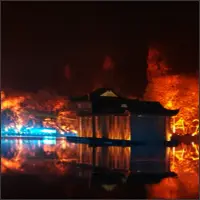
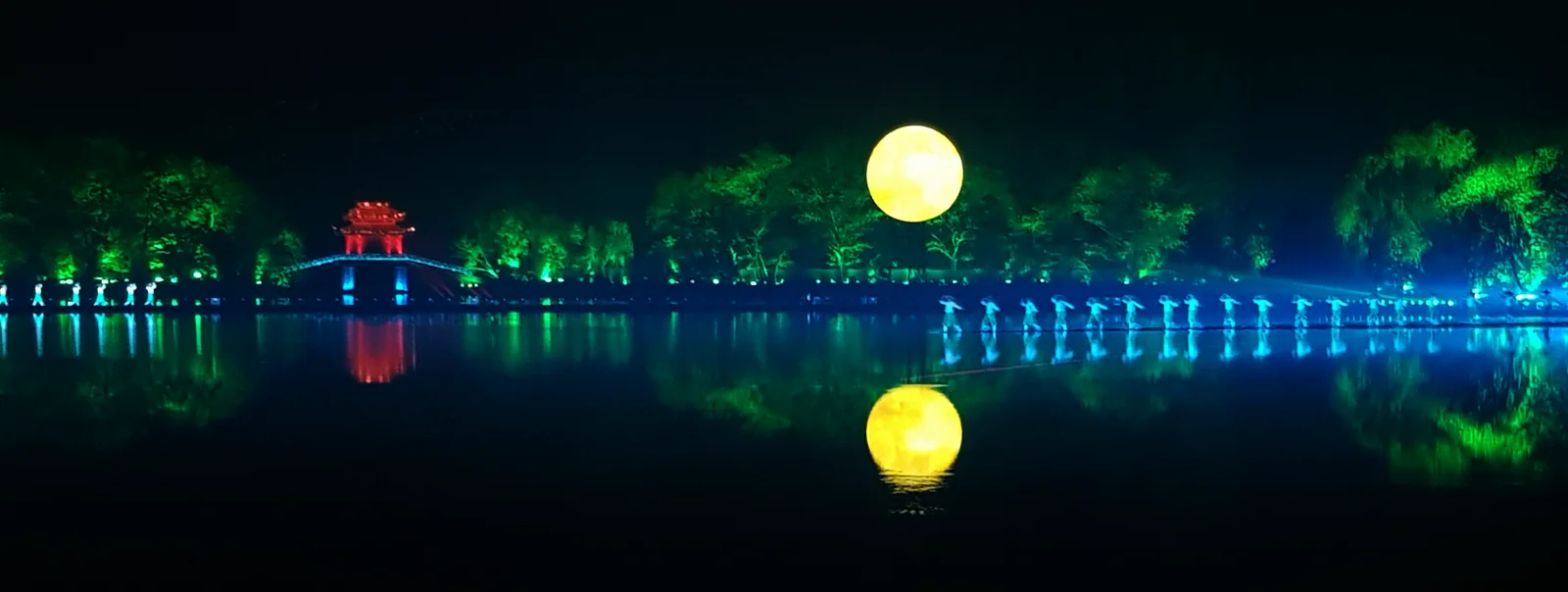
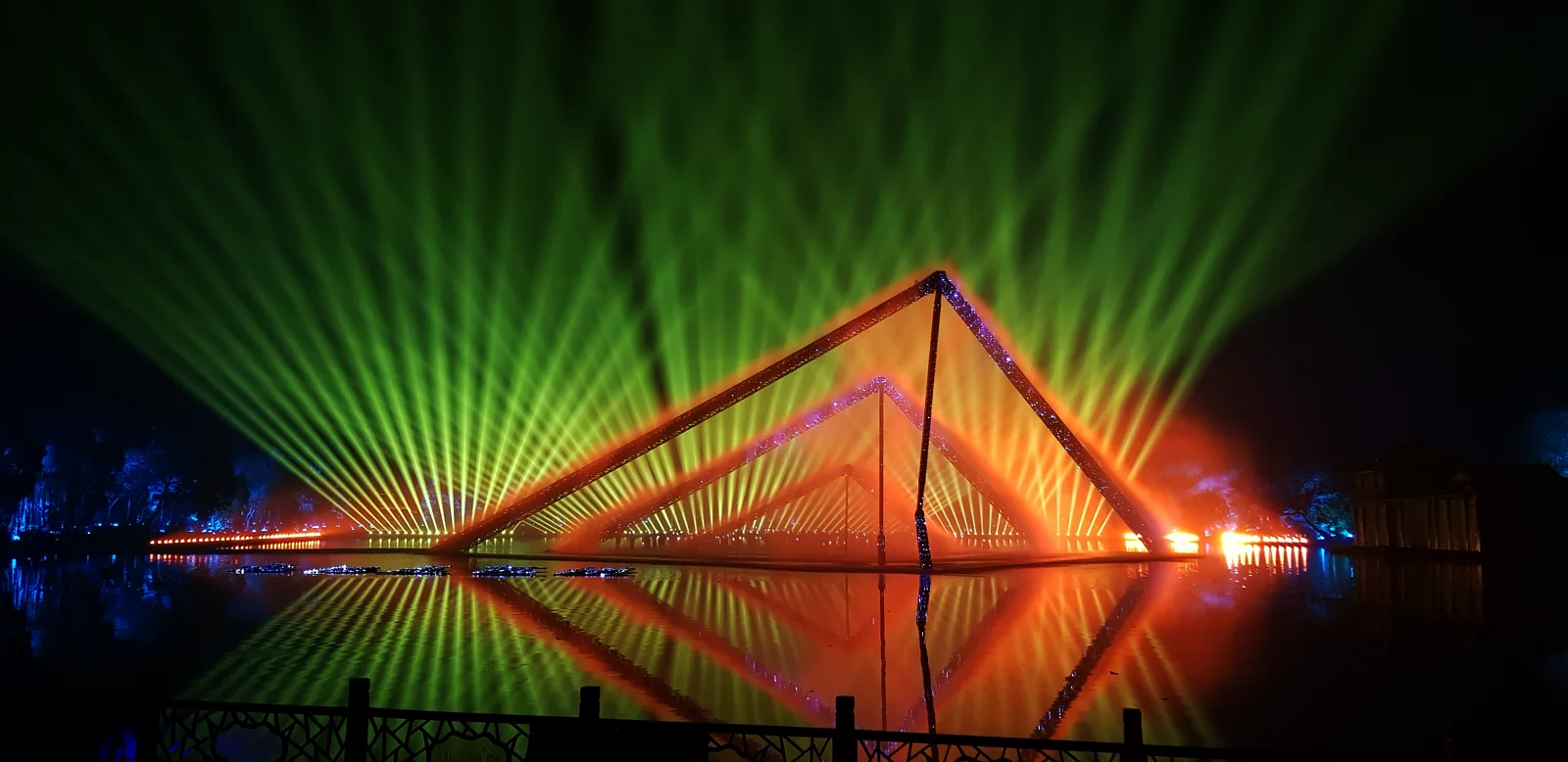
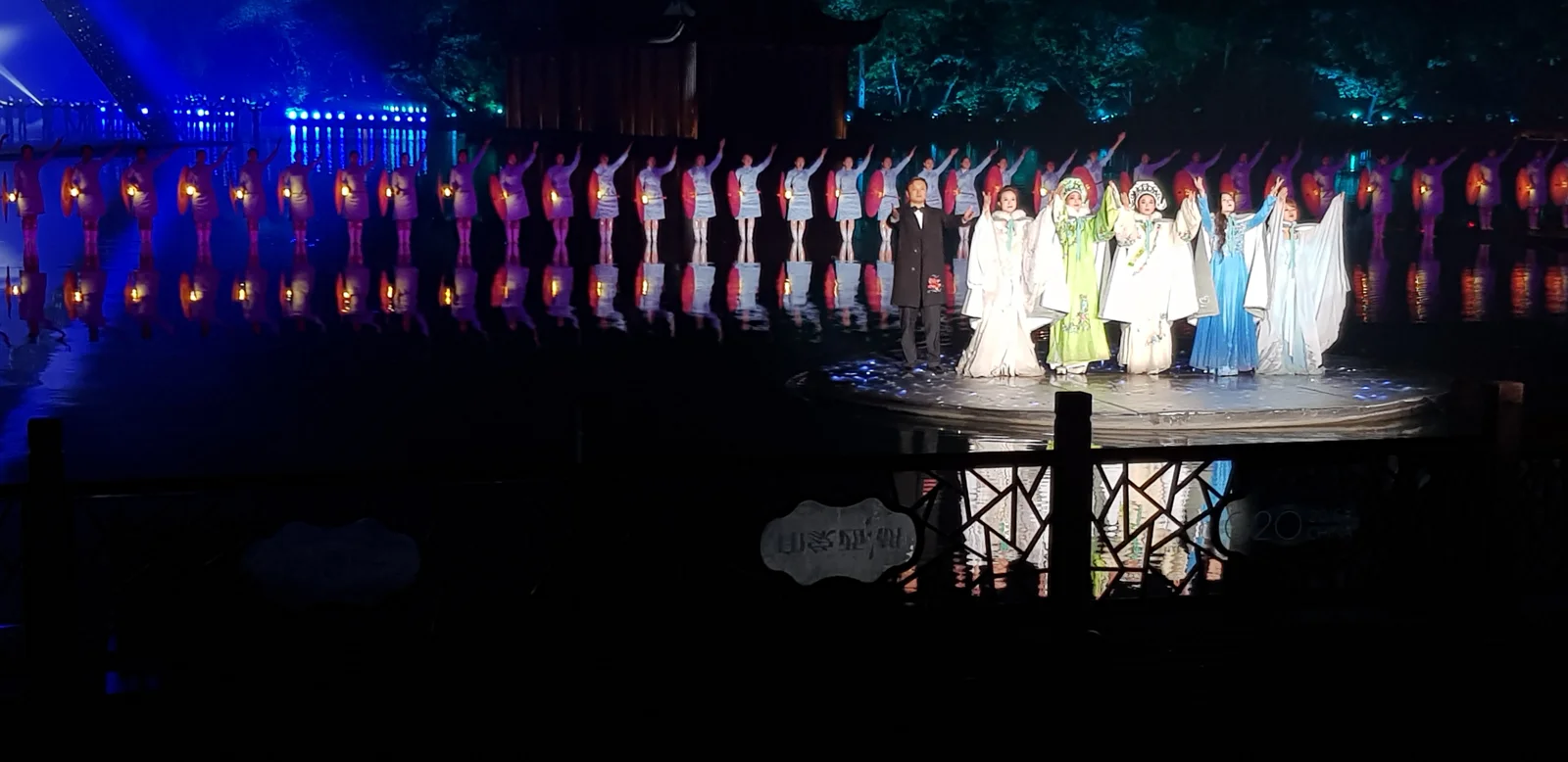
Enduring Memories of Hangzhou was created by renowned director Zhang Yimou for the 2016 G20 summit and later adapted for public performances. Staged directly on West Lake, it combines Chinese music and legends with Western classics such as Swan Lake and Beethoven’s Ode to Joy. A platform hidden just beneath the surface makes the performers appear to dance and walk on water, surrounded by light, music and reflections.
Visited: Leifeng Pagoda — West Lake