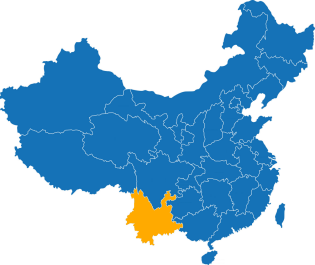
Kunming’s Parks and Temples — Living Rooms Without Walls
January 2026 · Kunming, China
 Before my Adventure China began in 2010 I wasn’t much of a park goer — what was there to see other than some flower beds?
China changed that completely.
Here, parks are not decorative extras. They are ecosystems of everyday life. Yes, there are carefully tended gardens, ponds with reflections that seem almost staged, winding paths, seasonal flowers, small concessions, playgrounds, and the occasional amusement corner.
But what makes them unforgettable is the people.
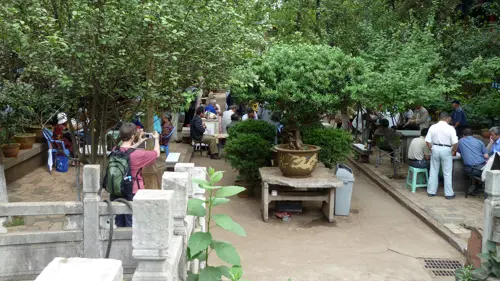
Parks feel like extensions of living rooms — only without walls. Instead of worrying about disturbing the neighbors, music is brought outside. Instruments appear. Dancing begins. Cards shuffle. Mahjong tiles click. Birds in cages hang from branches. Someone practices calligraphy with water on the pavement. Someone else simply sits and watches.
Nothing could be more serene.
Nothing could be more alive.
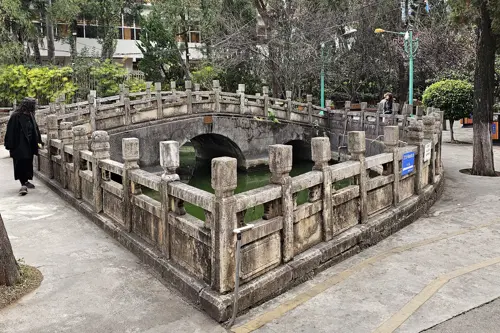
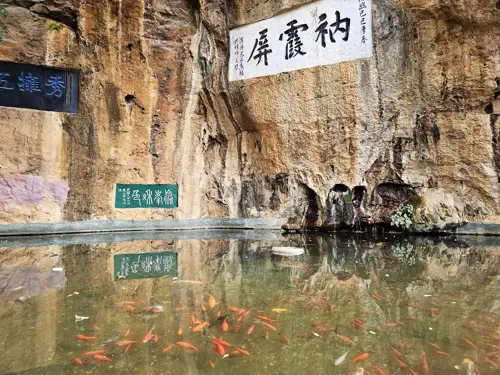
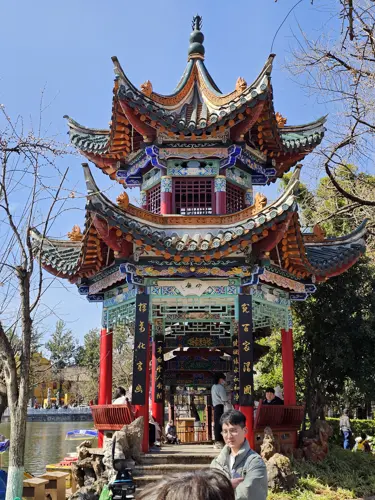
The temples add their own layer — color, incense, stillness. Some adults pray quietly. Some simply pause. And sometimes the reflections in the temple ponds take your breath away without a single word being spoken.
Next time, we’ll listen to — and even smell — rush hour traffic.
Huh?
Yes. No typo.
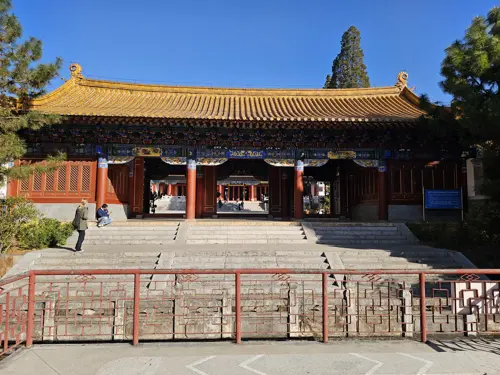
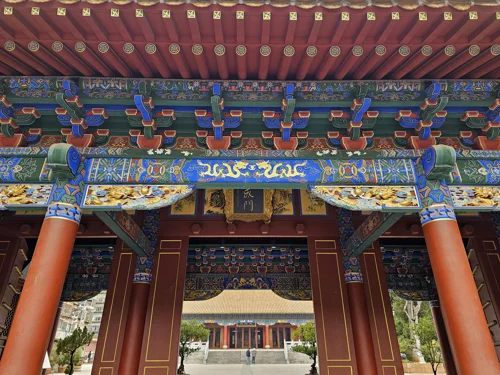
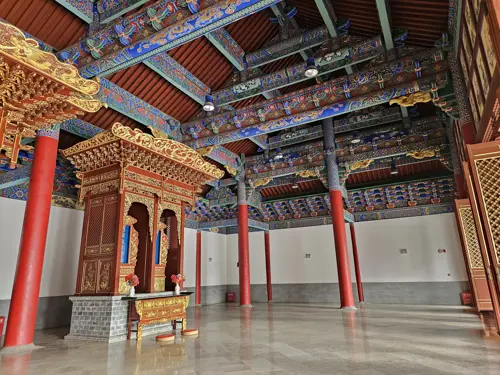
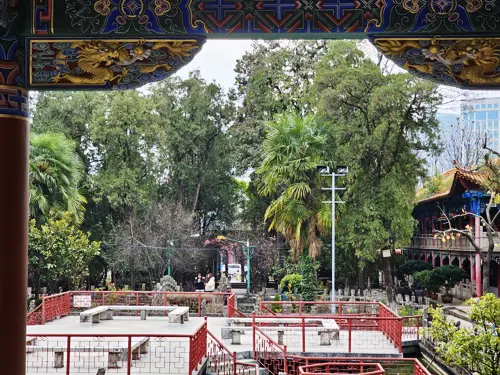
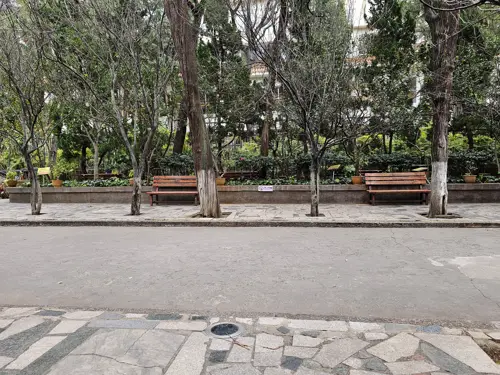
Wenmiao — A Temple Without Its Crowd
Confucian temples were once more than places of ritual. For centuries, they anchored civic life — symbols of education, order, and shared moral space. In modern China, many of them have been carefully restored as cultural heritage sites, preserved with precision and pride.
What has quietly changed is their social function. The architecture remains vibrant, the courtyards symmetrical, the paint fresh. But the everyday life that once unfolded so naturally within these walls seems to have shifted elsewhere — leaving behind spaces that feel both beautifully maintained and subtly transformed.
Yuantong — Where Stillness Moves
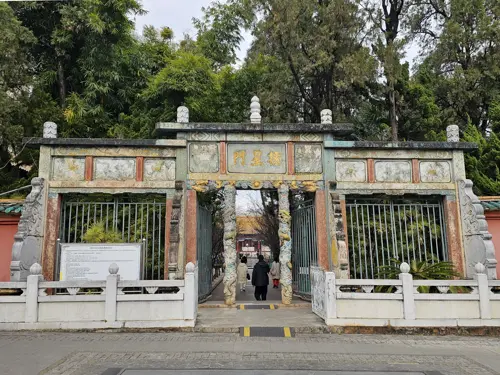
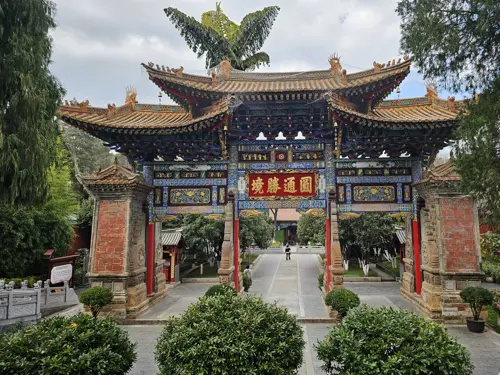
If Wenmiao feels composed and reflective, Yuantong Temple radiates quiet vitality.
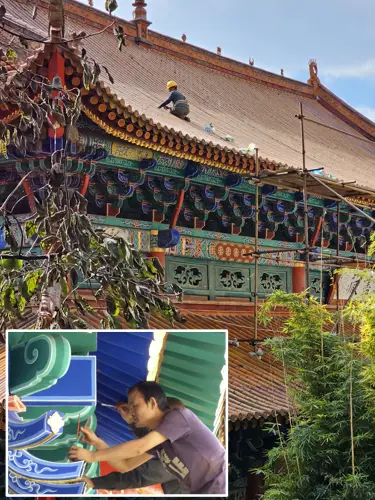
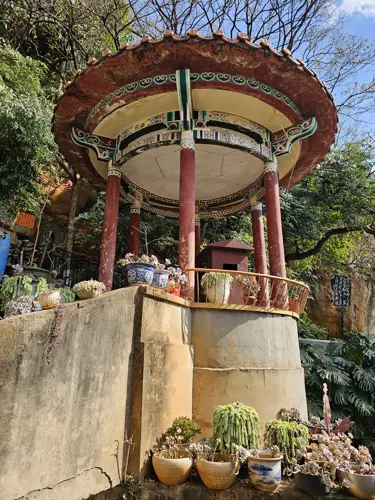
One of Kunming’s oldest Buddhist temples, it remains an active place of worship — incense rising, visitors bowing, monks moving quietly between halls. Water sits at the heart of it all — ponds and reflections, even when the lotus containers rest empty in winter. The architecture is carefully maintained, but here the stillness is not archival — it is alive.
The courtyards are calm, yet never empty.
Some places preserve memory.
Others continue it.
Daguan — The Return of the Seagulls
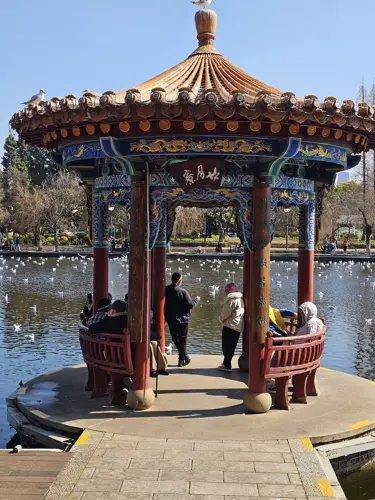
Every winter, thousands of black-headed gulls travel more than 2,000 kilometers from Siberia to spend the season in Kunming. For decades, the city has welcomed them. Locals gather along the lake, call them, photograph them. Children squeal. Vendors now sell proper bird feed mixes instead of bread. The gulls rise, circle, settle — and return again the next year.
Coming from Vancouver Island, where seagulls are as common as pigeons elsewhere, I never felt the urge to seek them out in Kunming. Yet standing at Daguan Lake, watching the flock lift off at once and sweep back in a white arc over the water, I understood the appeal. It isn’t about rarity. It’s about ritual.
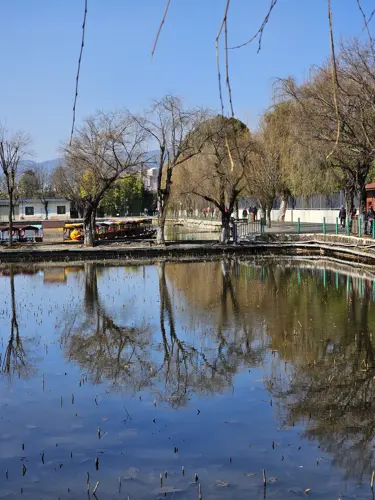
Green Lake Park — Familiar, Yet Always New
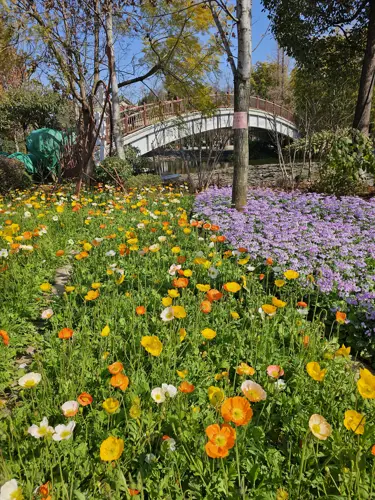
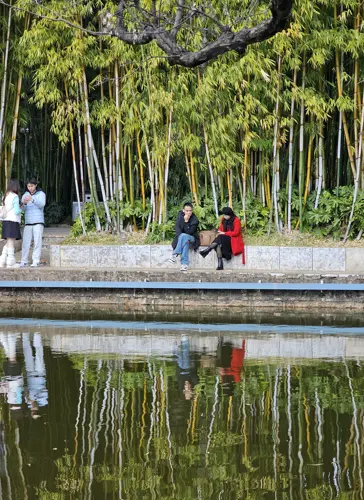
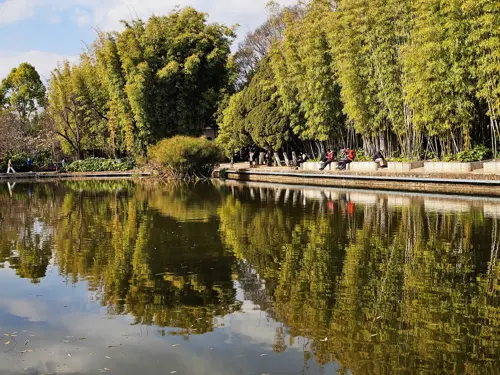
Over the years I’ve visited Green Lake Park so often that my memories of it are vivid — reflections on the water, flowers in bloom, music and dancing on every corner, ethnic costumes, snack stands, the lively chatter of old and young. This time, those impressions felt so present that I forgot, for a moment, that for most of you it would all be new.
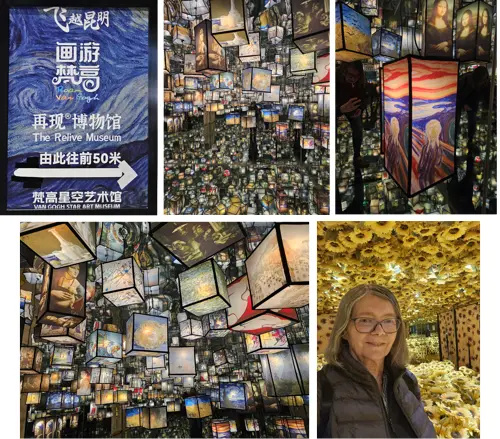
Van Gogh Starry-Night Art Museum
The famous Van Gogh exhibition had been on my list for years. I missed it in Vancouver — so immersing myself in this very different kind of park felt long overdue.